Lauda Calls for More Risk and Fewer Gimmicks in Formula One
Niki Lauda urged Formula One to restore risk and spectacle by making cars faster and less controlled, while warning against artificial rule changes.
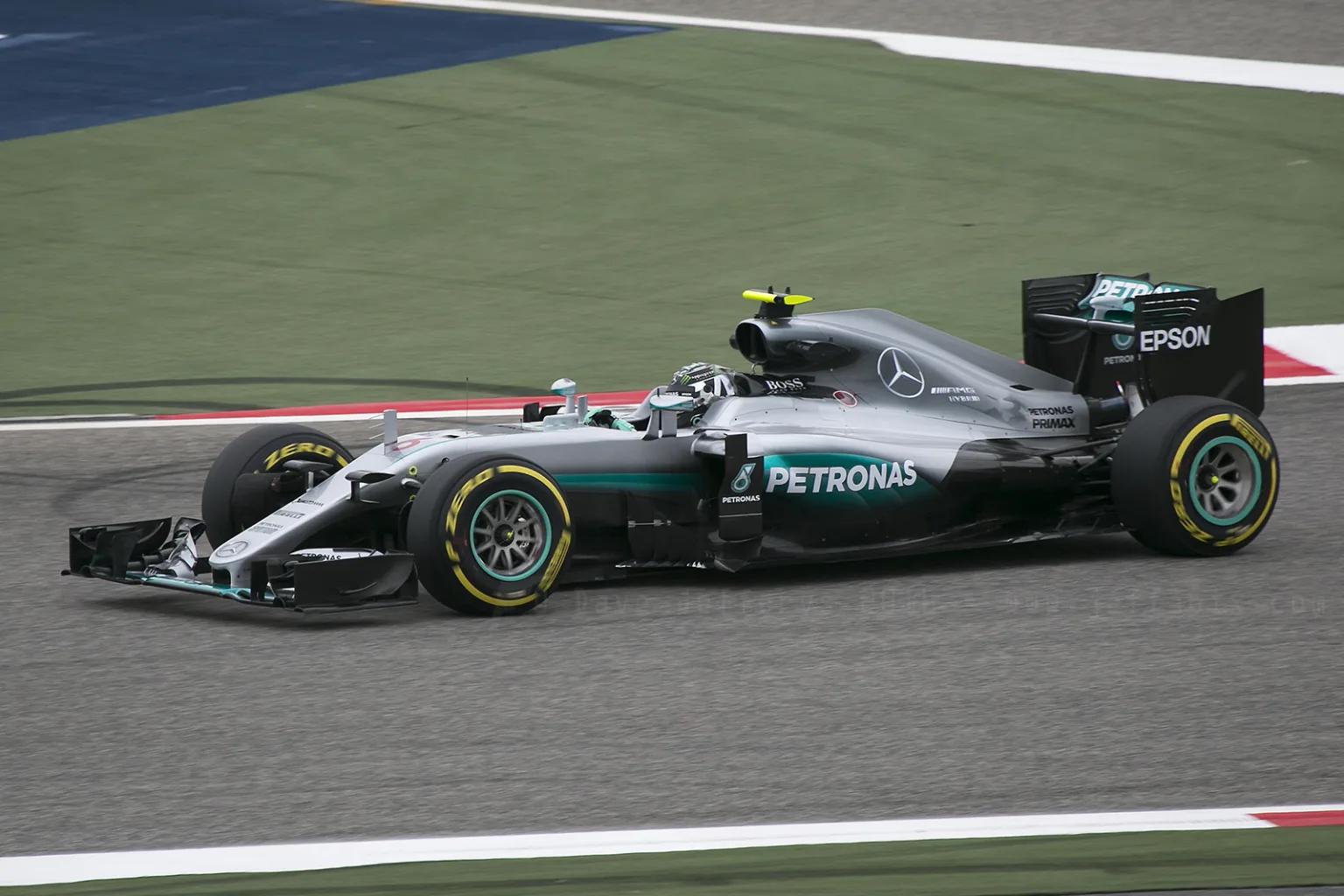
Niki Lauda has called for Formula One to recapture its edge by making the sport riskier and restoring the focus on driver skill, echoing recent remarks from Kimi Raikkonen. Speaking in mid-2015, Lauda said the current era of F1 is burdened by excessive control, too many rules and a lack of strong personalities on the grid.
Lauda, a three-time world champion and then Mercedes team chairman, agreed with Raikkonen’s view that a degree of danger is essential to F1’s excitement. Raikkonen had told French broadcaster Canal Plus that the sport would benefit from being “a little more dangerous”, clarifying that while no one wants to see injuries, danger is “part of the game”.
Lauda preferred the term “risky” to “dangerous”, but argued that risk and speed are fundamental to F1’s spectacle. He said that if cars were faster, the thrill for both drivers and fans would increase automatically. Lauda, who survived a life-threatening crash at the Nürburgring in 1976, stressed that safety should not be neglected, but insisted that the sport should challenge only the most skilled drivers. "Real men driving, not youngsters playing with their buttons on the steering wheel," was how he described the ideal grid.
Driver skill over technology
Lauda criticised the increasing reliance on technology and driver aids, arguing that drivers should have the car “in his grasp” rather than managing complex systems. He pointed to the proliferation of steering wheel controls and the ease with which modern cars can be driven as factors eroding the sport’s appeal. Only drivers with the highest skills, he said, should be able to master F1 machinery.
Lauda’s comments came as F1 considered a package of rule changes for 2017. He warned against artificial measures such as reverse grids or success ballast, arguing that manipulating results undermines the sport’s integrity. "Any kind of manipulation is the worst thing you can do to a sport," he said, insisting that F1 must maintain its core values rather than chase spectacle through gimmicks.
Balancing risk and safety
While Lauda acknowledged that F1 cannot return to the past, he urged the sport to avoid excessive safety measures that dilute its character. He cited the introduction of the Halo cockpit device as an example of a step that, in his view, risked changing the DNA of F1. Lauda argued that while fewer accidents are positive, the sport must not lose the element of risk that makes it compelling for both drivers and fans.
Red Bull’s Helmut Marko shared similar concerns, noting that F1 had become less of an extreme sport and more sanitised. Both men agreed that while safety improvements are welcome, risk is an essential part of motorsport’s appeal and should not be eliminated entirely.
Lauda’s stance reflected a wider debate within F1 as it sought to balance safety, spectacle and sporting purity. His comments added weight to calls for faster, more demanding cars and a renewed emphasis on driver talent over technological complexity.