Audi R15 TDI prepares for Le Mans debut with new V10 diesel and aero package
Audi’s R15 TDI enters the 2009 Le Mans 24 Hours with a compact V10 diesel, revised aerodynamics and a lithium-ion battery, aiming to extend the brand’s endurance racing record.
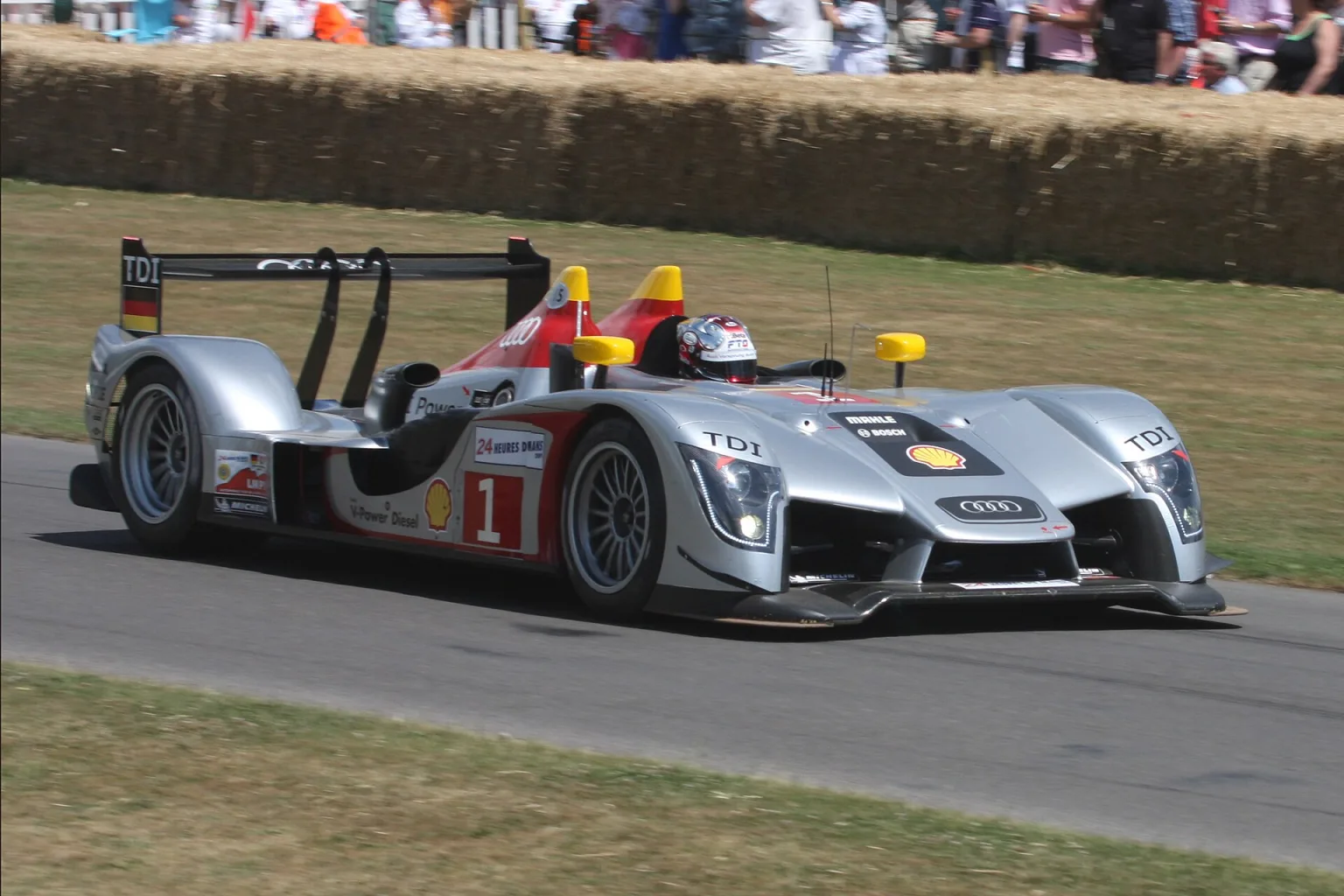
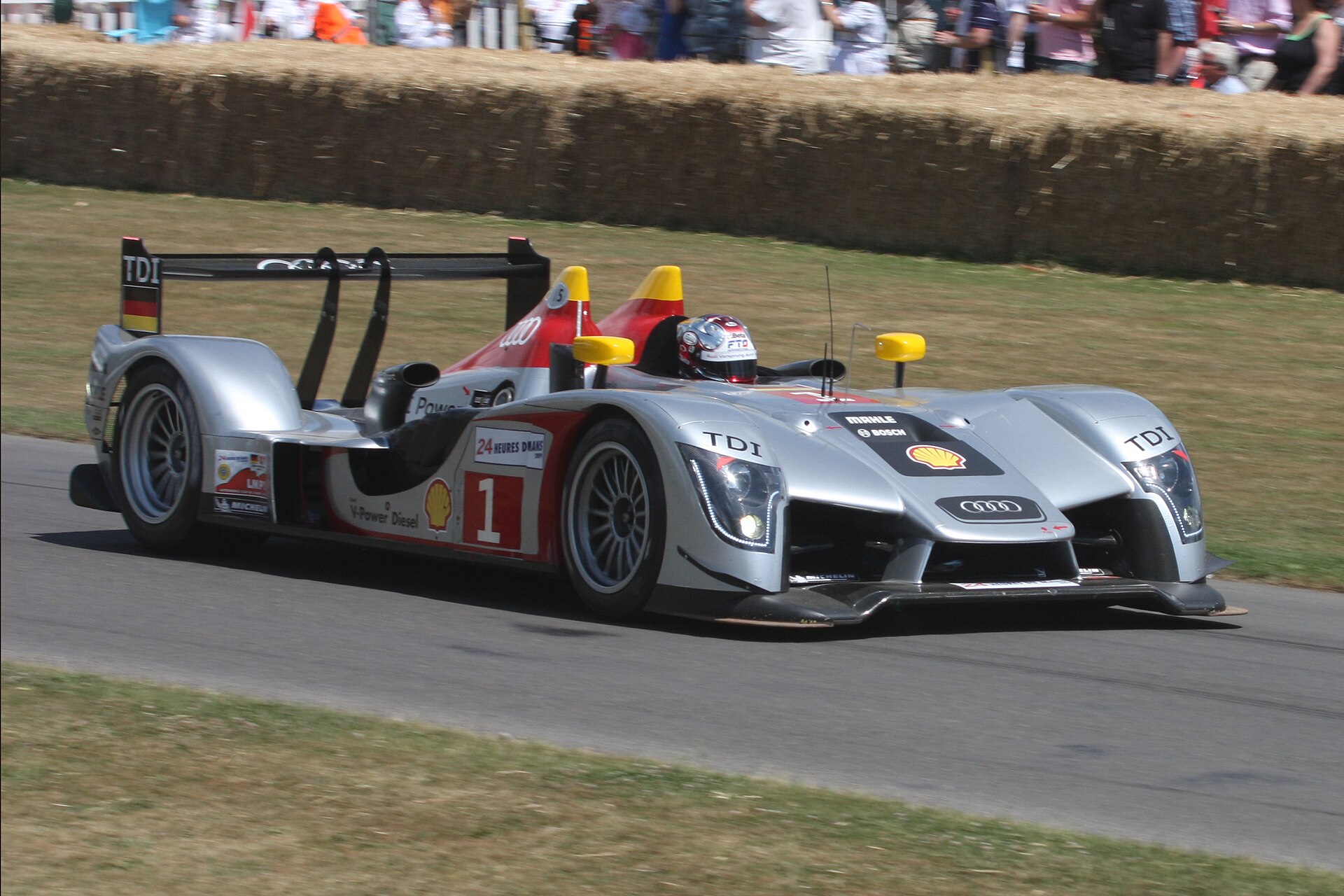
Audi’s new R15 TDI will make its first appearance at the 24 Hours of Le Mans on 13–14 June 2009, carrying a new 5.5-litre V10 TDI engine, revised aerodynamics and a lithium-ion battery system. Audi Sport Team Joest is fielding three cars, aiming to add a ninth Le Mans victory and match Ferrari’s win tally in the French classic.
Technical changes for 2009
The R15 TDI’s V10 diesel is more compact and efficient than the V12 used by its predecessor, the R10 TDI. Audi has focused on reducing weight, improving weight distribution and optimising aerodynamics for the high-speed straights at Le Mans. The R15’s bodywork features a new airflow concept, aiming for a lower drag coefficient while maintaining higher downforce than the outgoing car.
A lithium-ion battery, similar to those in next-generation hybrid vehicles, replaces the conventional lead-acid unit. It delivers 15.2 volts, allowing smaller and lighter electrical components. Audi claims this improves overall efficiency and reduces weight, although late rule changes have forced the team to add 30kg to meet the new 930kg minimum for diesel prototypes. This required last-minute modifications and additional endurance testing before the final cars were signed off.
Team and drivers
Audi’s three-car line-up is split between experienced Le Mans winners and new combinations. Car #1 is driven by Dindo Capello, Tom Kristensen and Allan McNish, the trio who won the previous year. Car #2 pairs Lucas Luhr, Mike Rockenfeller and Marco Werner, while car #3 features Timo Bernhard, Romain Dumas and Alexandre Prémat. Each car is distinguished by a unique accent colour: yellow, red or black.
- #1: Capello/Kristensen/McNish (yellow)
- #2: Luhr/Rockenfeller/Werner (red)
- #3: Bernhard/Dumas/Prémat (black)
Le Mans strategy and challenges
Audi’s Sebring win in March 2009 with the R15 TDI demonstrated the car’s potential, but Le Mans presents a different challenge. The revised regulations limit the number of mechanics allowed for tyre changes, doubling pit stop times for fresh rubber. This places greater emphasis on tyre durability and stint length, especially as grid position is less critical in a 24-hour race. With no pre-race test day in 2009, Audi has had to use practice and qualifying to optimise set-up and tyre choice.
Audi’s focus on efficiency and reliability reflects a wider trend in endurance racing, where technical advances often influence future road cars. The R15 TDI’s innovations in lightweight construction, downsizing and electrical systems are expected to inform Audi’s production models in the coming years. For a look at how Audi’s diesel technology has evolved in road cars, see Audi A3 1.6 TDI Cuts CO2 Emissions to 99g/km.
Aftermath and outcome
Audi’s R15 TDI ultimately faced strong competition from Peugeot, who ended Audi’s run of Le Mans victories in 2009. For the full race result, see Peugeot ends Audi’s dominance with 2009 Le Mans 1-2 finish.