Nissan Accuses Top Gear of Misleading Leaf EV Segment
Nissan criticised Top Gear after the BBC show depicted a Leaf running flat mid-journey, claiming the battery was intentionally low before filming began.
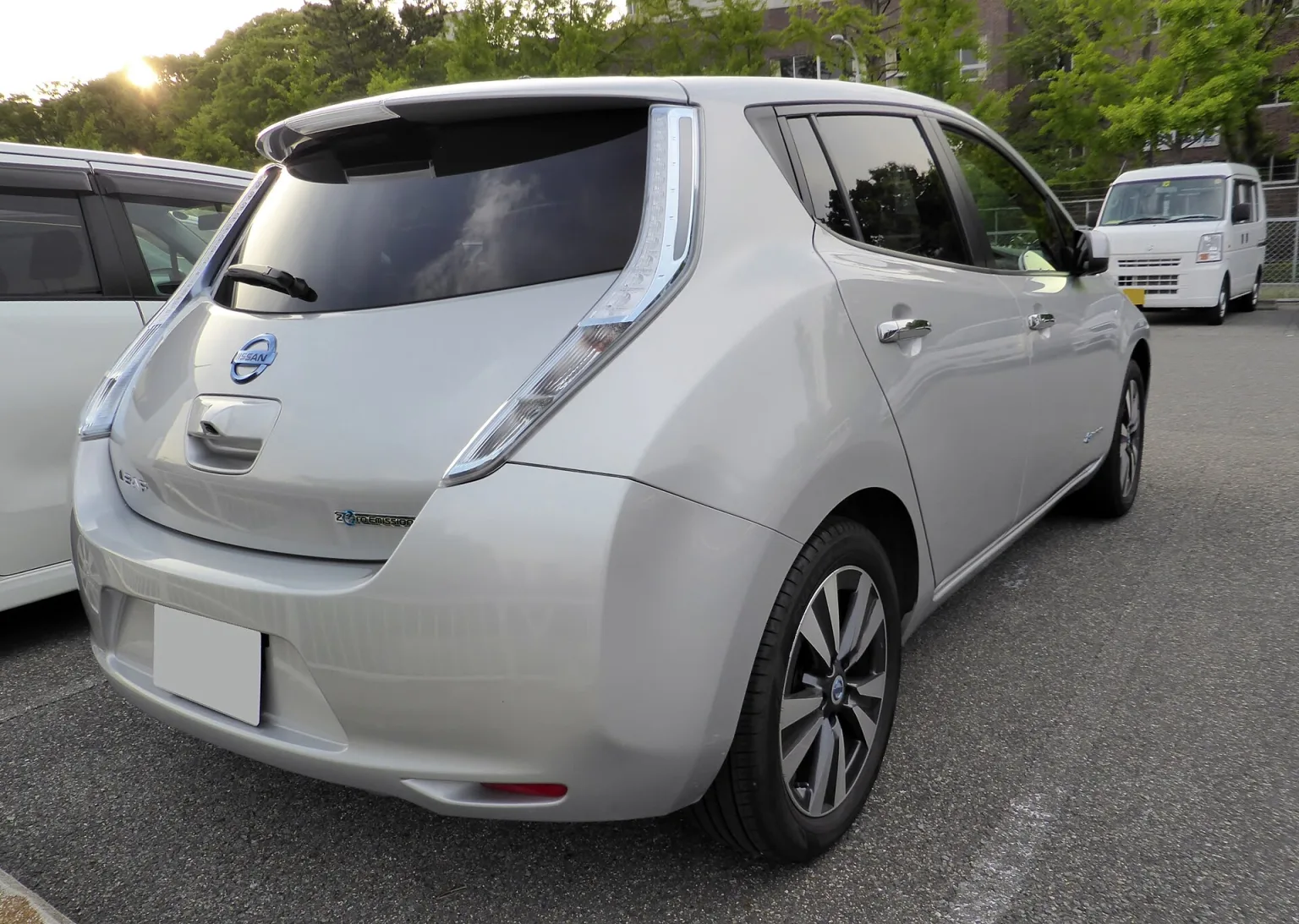
Nissan publicly challenged the BBC’s Top Gear in August 2011, accusing the programme of misleading viewers during a segment on the Leaf electric car. The episode showed Jeremy Clarkson running out of charge and pushing the Leaf through Lincoln after a journey of around 30 miles, suggesting that electric vehicles were unreliable for real-world use.
Nissan’s response: battery was not fully charged
Nissan’s vice-president Andy Palmer said the car’s telematics showed it was handed to Top Gear with a full charge and 100-mile range, but the production team began filming with the battery depleted to about 40 percent. Nissan claimed Clarkson and co-host James May drove the car in circles to run the charge down before the segment’s main journey, ensuring the Leaf would run flat on camera. The company argued this did not reflect a typical owner’s experience and gave a distorted impression of the car’s real-world capability.
Nissan’s data, collected via the Leaf’s remote monitoring system, allowed the company to track the state of charge and route taken. Palmer said these safeguards were intended to help owners avoid being stranded, a point he said Top Gear ignored. Nissan maintained that, depending on driving style and conditions, the Leaf could achieve between 47 and 105 miles per charge. The company took issue with the programme’s failure to explain the battery’s starting condition or the existence of such telematics features.
Top Gear’s defence: not a range test
Top Gear’s executive producer Andy Wilman responded that the show never claimed to be testing the Leaf’s official range. He said the segment was designed to highlight the challenges of recharging electric cars in Britain at the time, not to question the Leaf’s technical specification. Wilman confirmed the team knew Nissan could monitor the car’s battery remotely and insisted there was nothing to hide.
Jeremy Clarkson, writing in The Sunday Times, said the feature was intended to show the practical difficulties of recharging rather than to suggest the Leaf itself was unreliable. He admitted the car had little charge left at the start, explaining this was necessary for the narrative. Clarkson argued that Top Gear’s role was to challenge optimistic claims about electric vehicles, not to act as a promotional platform for manufacturers.
Broader context: EVs and media scrutiny
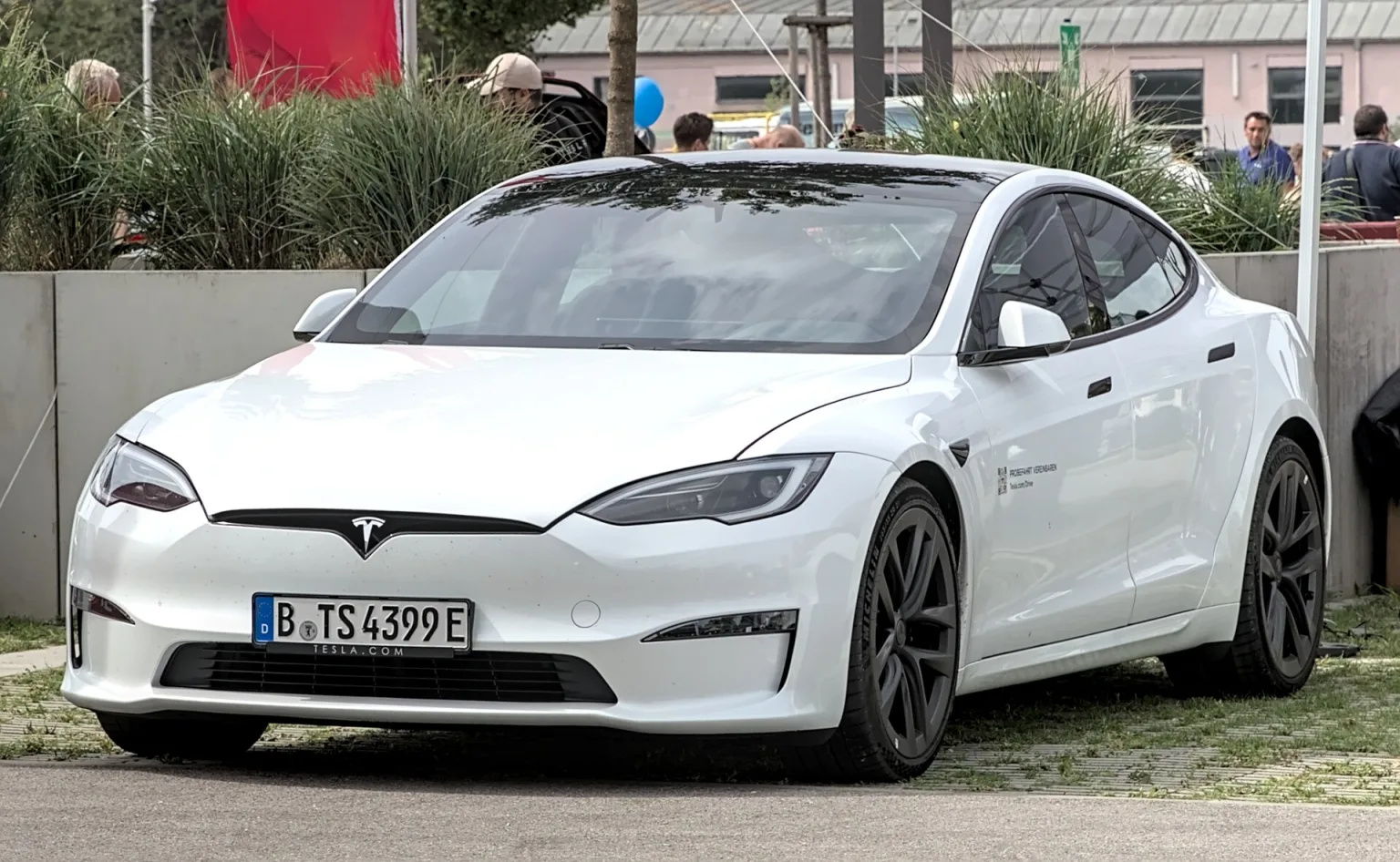
The dispute followed previous Top Gear controversies over electric vehicle coverage, notably legal action from Tesla regarding the Roadster’s portrayal. Nissan’s criticism reflected wider concerns among EV manufacturers about how mainstream media frames electric cars’ limitations and infrastructure challenges. At the time, public charging networks in the UK were sparse, and range anxiety was a common concern for potential buyers.
While Nissan and Top Gear agreed the segment was not a formal range test, the lack of clarity over the Leaf’s starting charge left viewers with an impression of limited real-world usefulness. The episode prompted debate about the responsibilities of media when reviewing new automotive technology and the importance of transparency in such demonstrations.
For more on the Leaf’s development and later milestones, seeNissan Leaf Reaches 50000 Sales Mark.