Lotus Debuts Experimental Double DRS System at Hockenheim
Lotus has introduced a new aerodynamic device on Kimi Raikkonen’s car at the 2012 German Grand Prix, trialling a double DRS concept distinct from the Mercedes design.
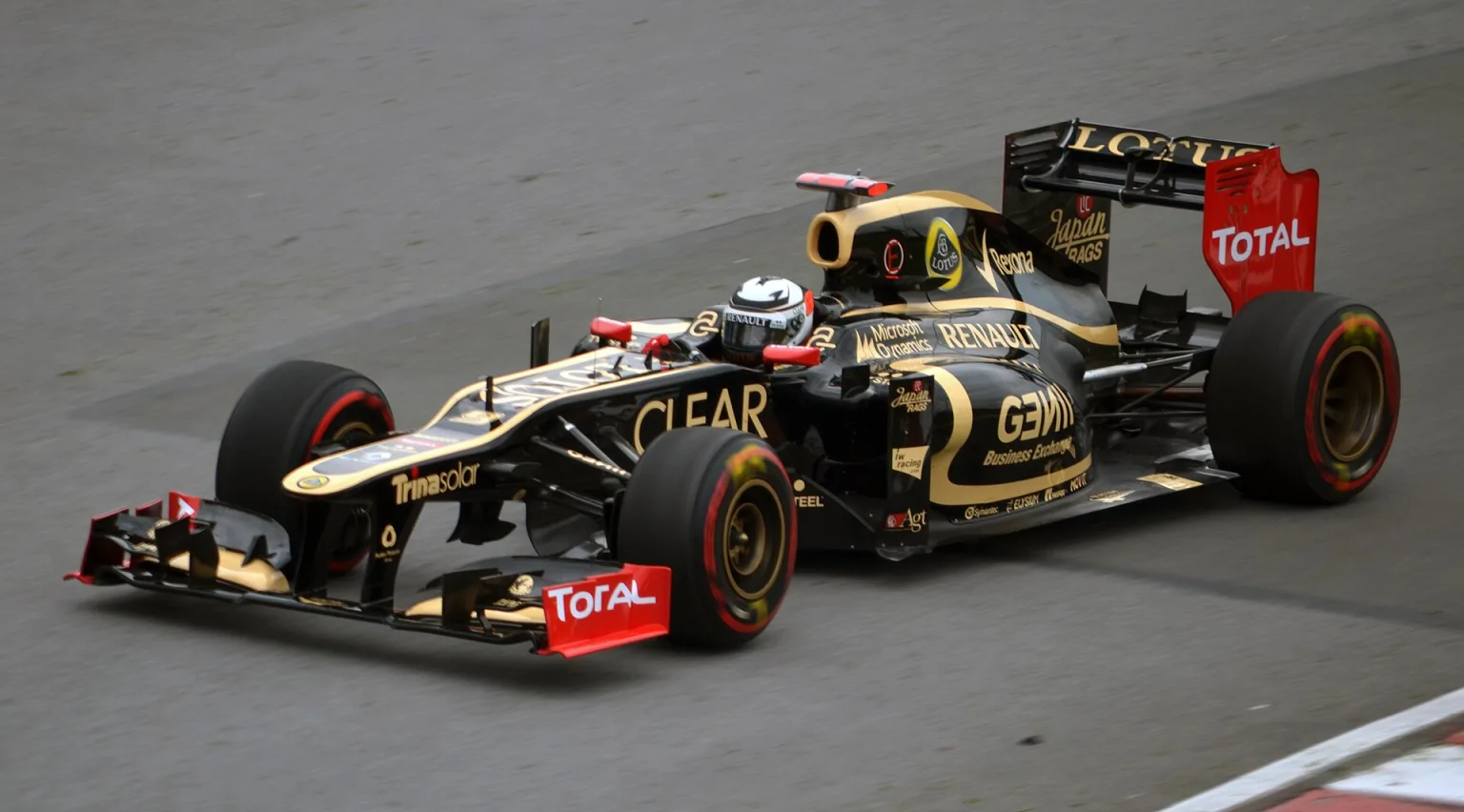
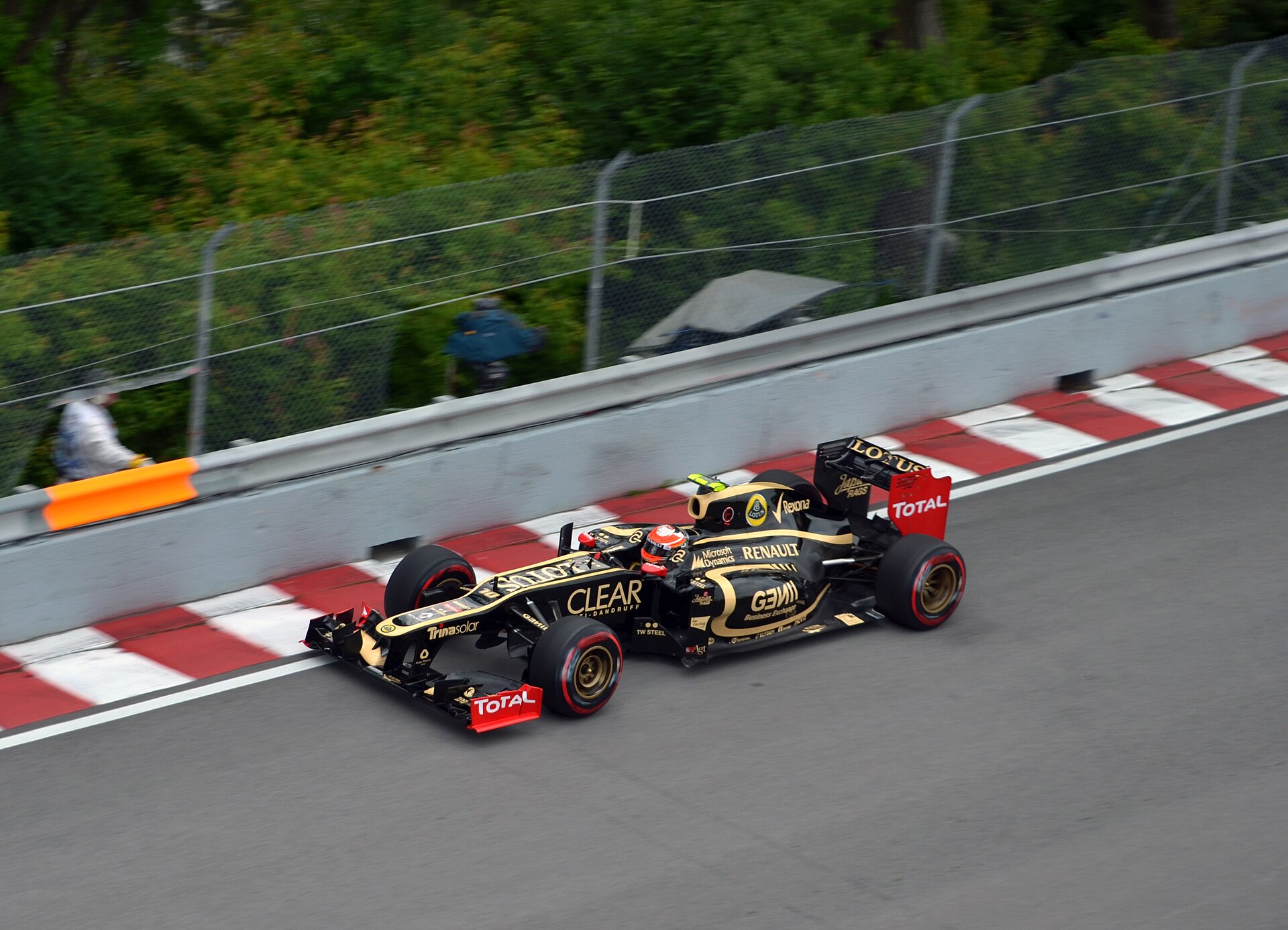
Lotus brought a new aerodynamic device to Hockenheim for the 2012 German Grand Prix, fitting Kimi Raikkonen’s car with an experimental double DRS system. The team’s approach differs from Mercedes’ version, using air ducts routed along either side of the engine intake to influence airflow from the front to the rear of the car.
Unlike the Mercedes system, which channels air from the rear wing to stall the front wing when DRS is open, Lotus’s version is thought to operate independently of the standard DRS flap. According to reports from BBC and Auto Motor und Sport, the Lotus device likely activates automatically at a certain speed, rather than relying on the driver’s DRS input.
The system’s aim is to cut drag and boost top speed on straights, a valuable advantage for both qualifying and overtaking. Only Raikkonen’s car was equipped with the device during Friday practice, with Romain Grosjean running without it. The team did not confirm whether the system would be raced, as its effectiveness and reliability were still under evaluation.
How Lotus’s Device Differs from Mercedes
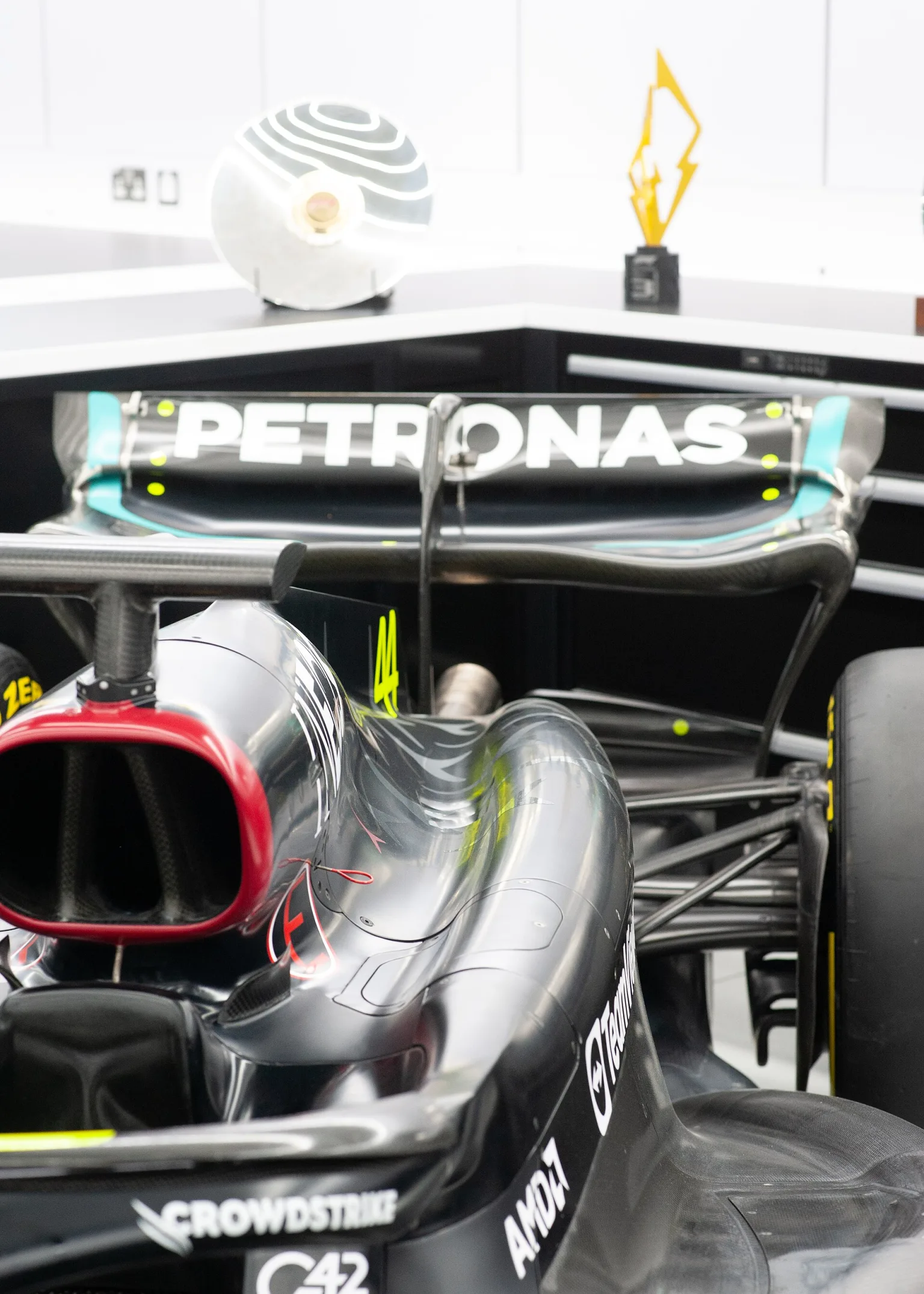
Mercedes pioneered the double DRS concept earlier in the 2012 season, linking the DRS activation to a system that stalls the front wing, reducing drag further when the rear wing is open. In contrast, Lotus’s arrangement appears to use passive airflow management, with ducts running along the engine cover and not requiring driver input to function.
- Mercedes: DRS-linked, stalls front wing when rear DRS is open.
- Lotus: Believed to be speed-activated, uses ducts along engine intake, not directly linked to DRS switch.
Lotus staff were keen to stress that their system is not a direct copy of the Mercedes design, and Sky’s Ted Kravitz noted that the team preferred not to use the “Mercedes-style” label. The precise technical details remained closely guarded, with only limited visibility of the ducting in the Hockenheim pitlane.
Regulatory and Competitive Context
The FIA had allowed the Mercedes double DRS to race earlier in the year, despite protests from rival teams. Lotus’s interpretation, by not directly linking the system to the DRS activation, may have been an attempt to sidestep controversy or exploit a different area of the regulations. The team’s engineers were still assessing whether the new device would deliver a measurable advantage in German Grand Prix conditions.