Luxury crossover sales fall 25% as buyers focus on value
US luxury crossover sales dropped by a quarter between 2007 and 2009, with most models suffering double-digit declines despite new launches in the segment.
Luxury crossovers in the US market saw sales fall by 25 percent between 2007 and 2009, according to data published by Edmunds.com. The segment, which manufacturers had expected to drive profits and growth, instead delivered widespread double-digit declines for established and new entrants alike.
The analysis, covering January to September sales, shows that most luxury crossovers lost ground even as four new models were introduced. Edmunds.com’s report points to a shift in consumer priorities, with buyers focusing on value rather than premium features or brand cachet. Jessica Caldwell, Senior Industry Analyst at Edmunds, said that anticipated profits for new models have not materialised as hoped.
Sharpest declines among established models
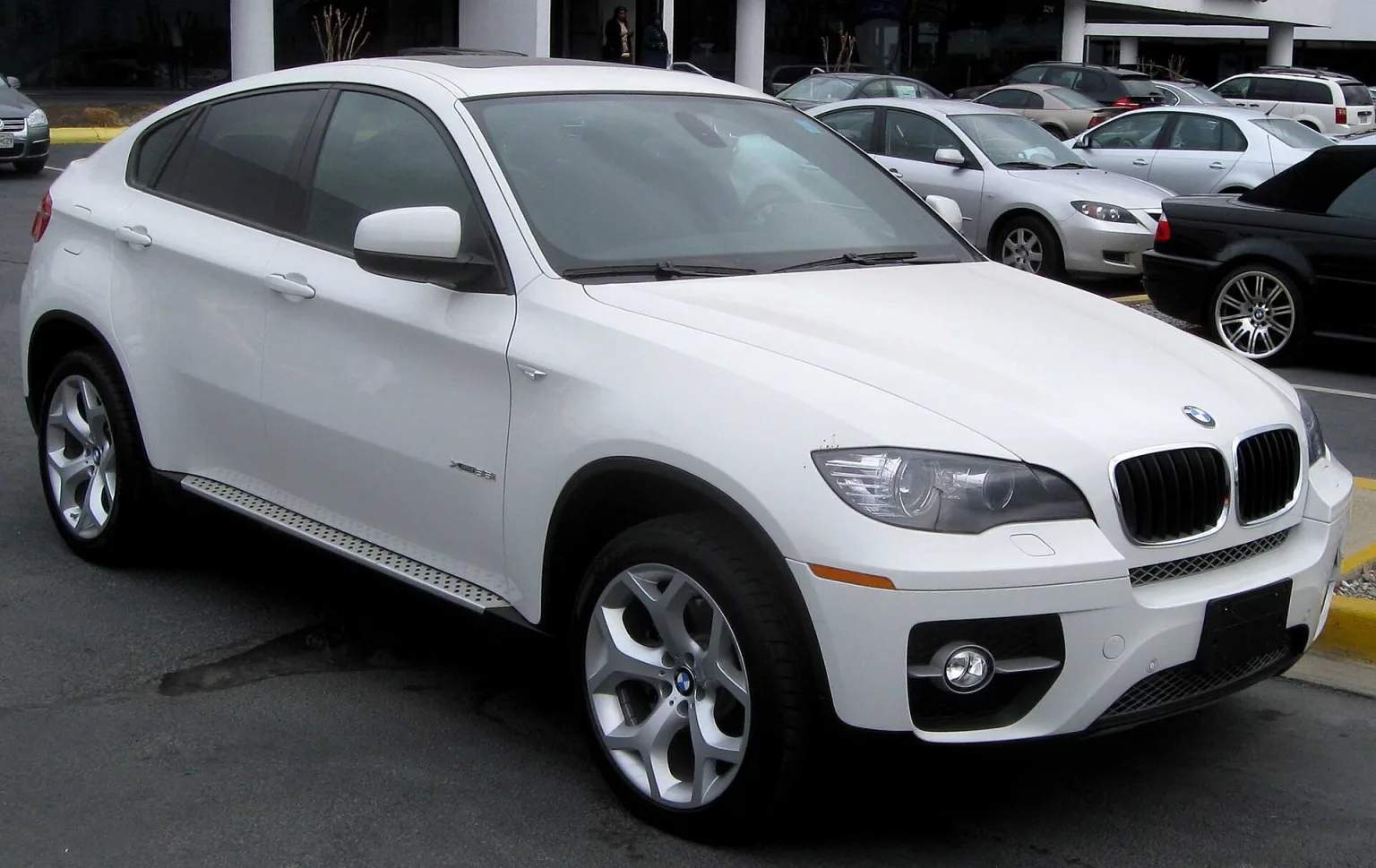
The Acura MDX, BMW X3 and Cadillac SRX were among the hardest hit, each posting year-on-year sales drops of more than 40 percent from 2008 to 2009. The BMW X3 saw the steepest fall, with sales down 77.7 percent compared to 2007 and 65.9 percent compared to 2008. The Acura RDX, another early entrant, dropped 60.1 percent over the two-year period.
Land Rover’s LR2 and Volvo’s XC90 also posted substantial declines, with the Volvo down 69.1 percent against 2007. Cadillac’s SRX, despite a model update during the period, lost 48.2 percent of its volume relative to 2007. The Infiniti EX35, launched in late 2007, was down 43.1 percent year-on-year in 2009.
| Model | 2009 vs. 2007 (%) |
|---|---|
| Acura MDX | -51.2 |
| Acura RDX | -60.1 |
| BMW X3 | -77.7 |
| Cadillac SRX | -48.2 |
| Infiniti EX35 | N/A |
| Land Rover LR2 | -40.8 |
| Lexus RX 350 | -12.8 |
| Volvo XC90 | -69.1 |
Lexus RX 350 bucks the trend
The only model to post a year-on-year sales increase from 2008 to 2009 was the Lexus RX 350, which grew 8.9 percent. Over the longer term, however, even the RX 350 was down by 12.8 percent compared to 2007. The Audi Q5, Mercedes-Benz GLK and Volvo XC60 were too new for meaningful year-on-year comparisons in this period.
Value focus reshapes premium segments
The report suggests that luxury crossover buyers have become more price-sensitive, with many opting for lower-cost alternatives or deferring purchases altogether. This pressure on the segment comes despite continued investment and new product launches by manufacturers. The data reflects a broader trend in the US market during the late-2000s recession, as premium brands faced challenges in justifying higher prices to cautious consumers.
Manufacturers including Audi, BMW and Cadillac have since responded with new models and revised pricing strategies, but the 2007-2009 period stands out as a warning that new segments do not guarantee growth, even for established luxury brands.