Lyft partners with nuTonomy to advance autonomous ride-hailing
Lyft has formed a technology partnership with nuTonomy, the Boston-based startup known for launching public autonomous taxi trials in Singapore, to integrate their systems for future ride-hailing services.
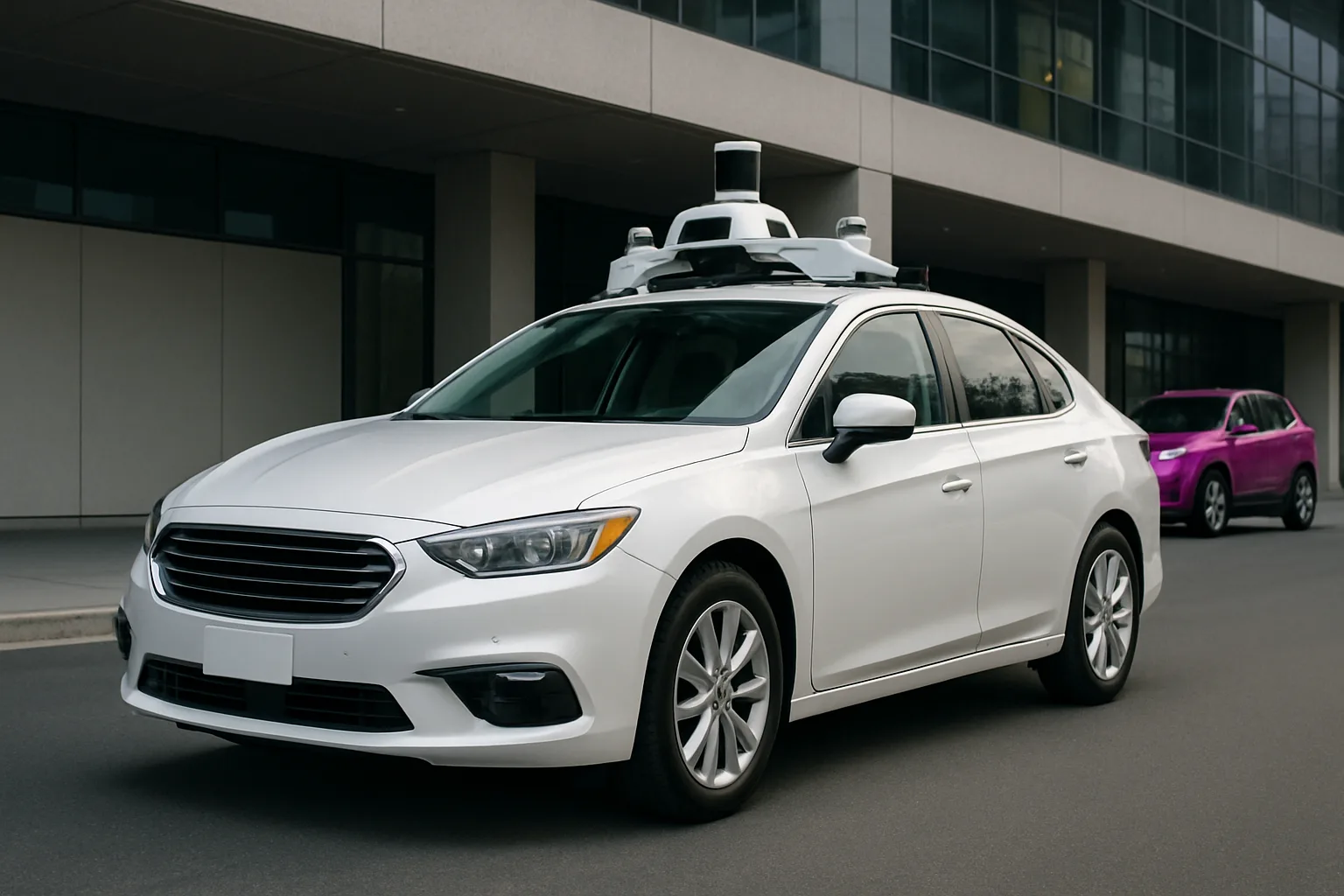
Lyft has signed a partnership with nuTonomy, the autonomous vehicle startup, to develop integrated systems for driverless ride-hailing services. The agreement brings together Lyft’s ride-booking platform and nuTonomy’s autonomous driving software, with the goal of enabling seamless passenger experiences in future autonomous fleets.
The collaboration will focus on aligning the two companies’ technology stacks, covering everything from routing and booking to vehicle system performance and passenger interaction. According to both firms, the integration is intended to support pilot projects that will test how passengers interact with autonomous vehicles, as well as how these vehicles operate in real-world ride-hailing scenarios.
nuTonomy’s experience in public autonomous trials
nuTonomy, based in Boston, made headlines in 2016 when it launched the world’s first public trial of autonomous taxis in Singapore. Unlike closed test tracks or private pilots, nuTonomy’s service carried ordinary passengers, providing valuable data on user expectations and system performance. The company has also worked with PSA Group to trial autonomous technology in Singapore’s urban environment.
Lyft’s approach to autonomous mobility has relied on partnerships rather than building a proprietary system from scratch. Previous collaborations include work with General Motors and its Cruise Automation subsidiary, as well as a tie-up with Waymo. By adding nuTonomy to its roster of partners, Lyft is deepening its involvement in the autonomous driving sector without the capital outlay associated with an internal programme.
What this means for autonomous ride-hailing
For Lyft, integrating with nuTonomy’s technology could accelerate the rollout of autonomous ride-hailing pilots. The companies plan to test how their combined systems handle passenger requests, route planning, and in-car communications. If successful, this could lead to broader deployments in the US and internationally, though no specific launch dates have been announced.