Boullier says Magnussen’s early F1 struggles are part of rookie “process”
McLaren’s Eric Boullier has compared Kevin Magnussen’s learning curve to that of other F1 newcomers, insisting a dip in form is normal for a rookie.
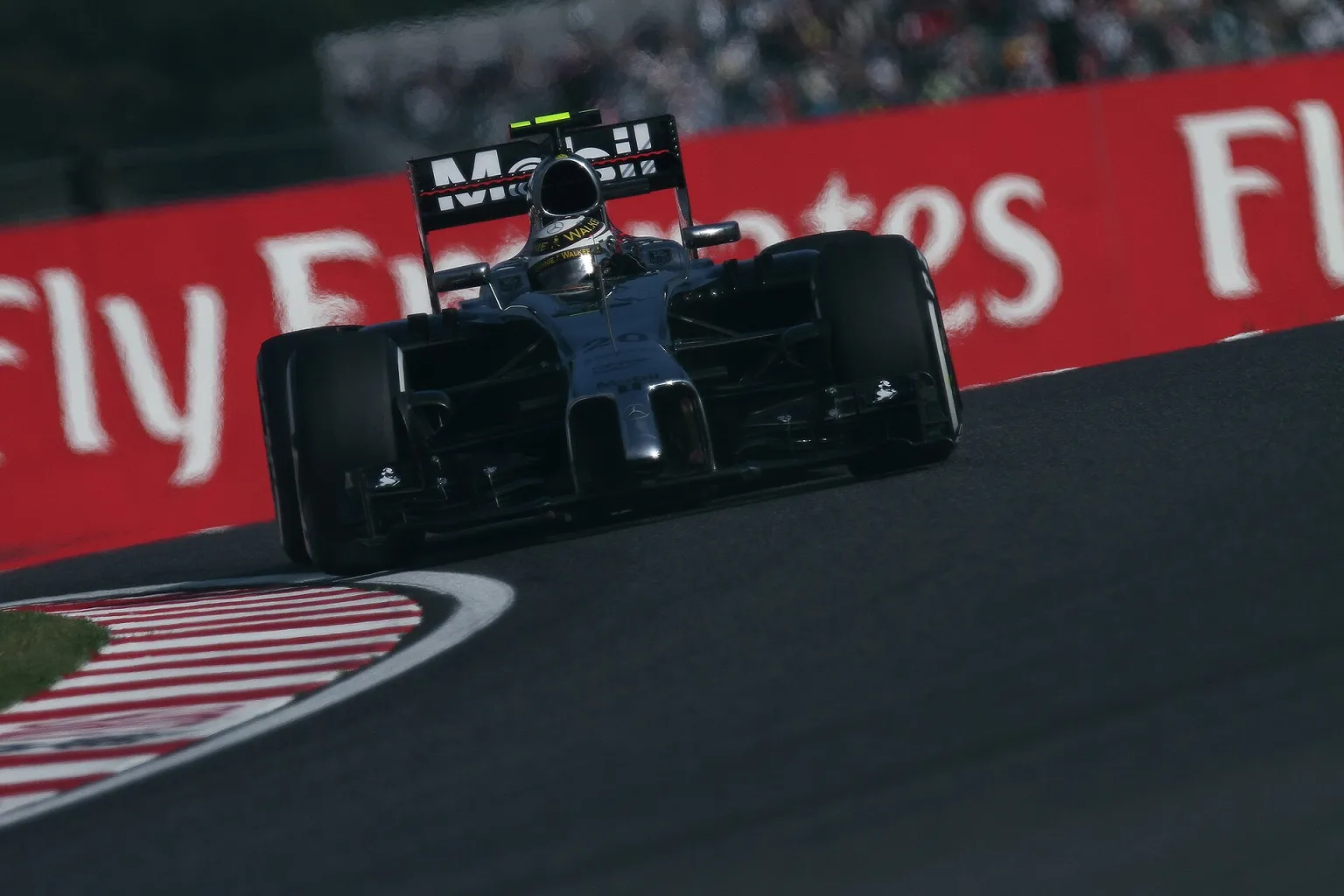
Eric Boullier, McLaren’s racing director, has dismissed concerns about Kevin Magnussen’s recent drop in form, describing it as a routine part of a Formula One rookie’s development. Magnussen, 21, made an immediate impact with a podium finish on debut in Melbourne, but neither he nor McLaren have matched that result in the subsequent races.
Boullier, who joined McLaren ahead of the 2014 season after previous stints at Lotus, drew direct parallels with the early careers of Vitaly Petrov and Romain Grosjean. Both drivers experienced a period of adjustment when they entered F1 under Boullier’s management at Lotus, and he sees the same pattern emerging with Magnussen.
“They went through the same processes and it’s part of the learning curve,” Boullier explained, noting that the step up from junior categories to Formula One involves more than just driving talent. He pointed to the complexity of F1 car setup and the demands of extracting performance from machinery that is often less forgiving than lower-tier single-seaters. Boullier also acknowledged that the current McLaren is not the easiest car to handle, which adds to the challenge for Magnussen.
Comparisons with other Boullier protégés
Boullier’s experience with Petrov and Grosjean at Lotus gives him a reference point for assessing Magnussen’s progress. Both drivers endured difficult spells early in their F1 careers before gaining consistency. Boullier’s comments suggest he expects Magnussen’s performance to stabilise with more experience, provided the team can give him a car that allows him to develop.
Magnussen focused on learning, not just results
Magnussen himself has acknowledged the importance of learning in his first season, saying that while results matter, building experience is essential. The Dane has faced a tougher run since the opening race, but sees value in the challenges. He remains focused on adapting to the demands of Formula One, both in terms of racecraft and technical understanding.
McLaren’s start to the 2014 season has been mixed, with the team unable to maintain the pace shown in Melbourne. Boullier’s remarks indicate that the team is taking a long-term view with Magnussen, prioritising his development over immediate results. The approach mirrors Boullier’s previous management of rookies at Lotus, where patience eventually yielded improved performances.
What it means for McLaren and Magnussen
For McLaren, the focus on Magnussen’s learning process underlines a willingness to invest in young talent, even if it means accepting short-term fluctuations in form. Boullier’s public support provides Magnussen with breathing space as he adapts to the demands of the sport. The team’s patience could prove valuable if Magnussen follows the trajectory of Boullier’s previous protégés and grows into a consistent points scorer.
Magnussen’s situation is not unique in recent F1 history, and Boullier’s experience suggests that early setbacks need not define a driver’s career. With McLaren’s resources and Boullier’s guidance, Magnussen is expected to continue his development through the rest of the season.