Malaysian Government Sells Proton Stake to DRB-Hicom for $410m
Khazanah Nasional has agreed to sell its 32.7% stake in Proton Holdings to DRB-Hicom for $410 million, handing control of Malaysia’s national carmaker to the private conglomerate.
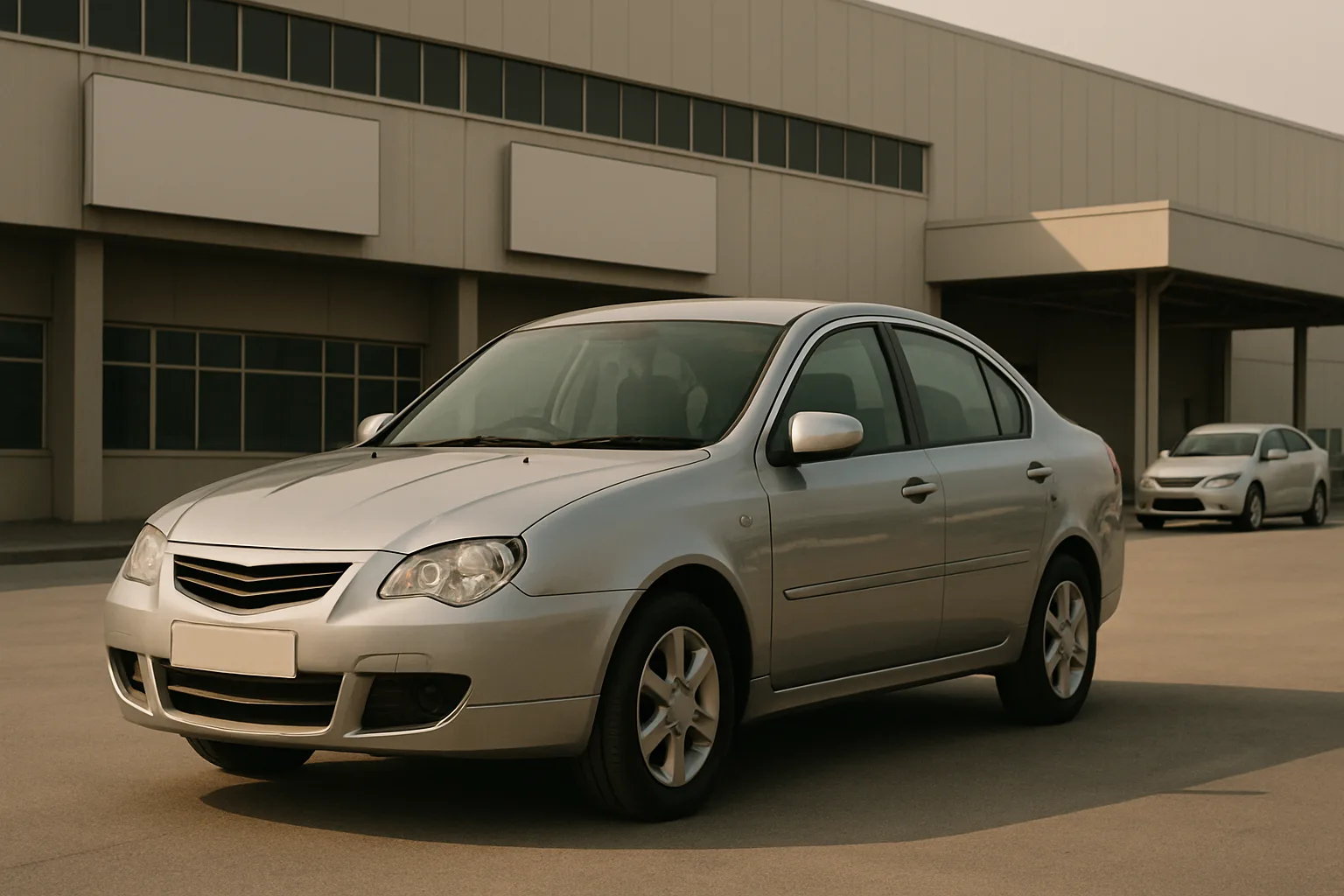
Proton Holdings was established in 1983 as Malaysia’s national carmaker, intended to spearhead the country’s industrialisation and reduce reliance on imported vehicles. Over the decades, Proton played a major role in shaping Malaysia’s automotive sector, producing a range of vehicles for domestic and export markets. However, by the late 2000s and early 2010s, Proton faced increasing competition from foreign carmakers, declining market share, and challenges in maintaining profitability. The global financial crisis also put additional pressure on the company, accelerating the need for restructuring and new investment.
Background: Proton and the Malaysian Automotive Industry
Khazanah Nasional's Sale of Proton
In January 2012, Khazanah Nasional, the Malaysian government’s investment arm, announced the sale of its entire 32.7 percent stake in Proton Holdings to DRB-Hicom for $410 million. The deal was expected to be completed by the middle of the year, pending regulatory and shareholder approvals. This transaction valued Proton at just over $1.25 billion, reflecting both its manufacturing assets and the challenges it faced in the market. The move was part of the government’s broader effort to privatise and revitalise Proton, aiming to make the company more competitive in a rapidly changing automotive landscape.
Khazanah’s decision to divest came after years of struggling to turn Proton around. The company’s difficulties were compounded by the entry of foreign brands into the Malaysian market and a need for more advanced technology and better quality standards. The sale represented a significant shift in the government’s approach, moving away from direct ownership and towards a more market-driven model for the automotive sector.
Who is DRB-Hicom?
DRB-Hicom is one of Malaysia’s largest automotive groups, involved in vehicle assembly, distribution, and retail. The company already assembles and distributes Mercedes-Benz and Volkswagen models in Malaysia and operates eight assembly plants, four of which are dedicated to cars. With the acquisition of Proton, DRB-Hicom would gain full control of two Proton plants with a combined annual production capacity of 350,000 vehicles. This scale could help address Proton’s cost and quality challenges and potentially position the brand for future growth.
Lotus: An Uncertain Future
Proton’s British sports car subsidiary, Lotus, was not directly addressed in the initial announcement of the sale. At the time, sources indicated that an update on Lotus’s future would follow, leaving the position of the brand uncertain. There was speculation about potential divestment or restructuring, but no official decision had been made. Lotus had been seeking new investors, and its fate remained closely tied to the outcome of the Proton sale. Observers noted that DRB-Hicom’s review of Lotus could result in significant changes for the sports car manufacturer, depending on the new owner’s strategy and priorities.
Implications for Malaysia’s Car Industry
The sale of Proton to DRB-Hicom marked a turning point for Malaysia’s automotive sector. Moving away from government ownership, the deal was seen as a step towards greater private sector involvement and potentially more efficient management. DRB-Hicom’s existing relationships with global automotive brands could provide Proton with opportunities for technology transfer, joint ventures, and improved production standards. This could help Proton become more competitive both domestically and internationally.
For Proton’s workforce and suppliers, the change in ownership raised questions about the company’s future direction. While DRB-Hicom had not announced specific restructuring plans at the time of the deal, the potential for new investments and partnerships offered hope for revitalisation. However, there was also concern about possible job cuts or changes in supplier relationships as DRB-Hicom reviewed its newly acquired assets.
Production Capacity and Facilities
Proton’s two main manufacturing plants, now under DRB-Hicom’s control, have a combined annual capacity of 350,000 vehicles. These facilities represent a significant asset for the new owners, providing the infrastructure needed to support both domestic production and potential exports. The integration of Proton’s plants into DRB-Hicom’s broader manufacturing network could lead to increased efficiency and better utilisation of resources.
Looking Ahead
As the deal moved towards completion in 2012, industry observers were watching closely to see how DRB-Hicom would steer Proton and whether the acquisition would deliver the hoped-for turnaround. The future of Lotus, the impact on Proton’s employees, and the prospects for Malaysia’s automotive sector all depended on the new owner’s strategy and ability to address longstanding challenges. Further announcements regarding Lotus and DRB-Hicom’s plans for Proton were expected in the months following the sale.