Venezuelan Government Moves to End Maldonado’s F1 Funding
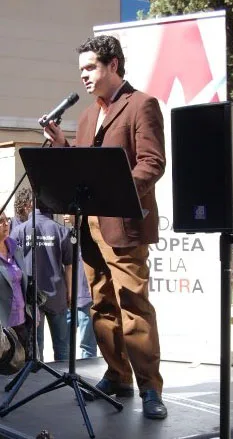
Venezuela’s new sports minister has announced the country will stop state support for motor racing, putting Pastor Maldonado’s Formula One backing in doubt.
Venezuelan Formula One driver Pastor Maldonado faces an uncertain future in the sport after the country’s new sports minister, Antonio Alvarez, announced a halt to all state funding for motor racing. The move, revealed in May 2014, threatens the financial support that has underpinned Maldonado’s F1 career since his debut.
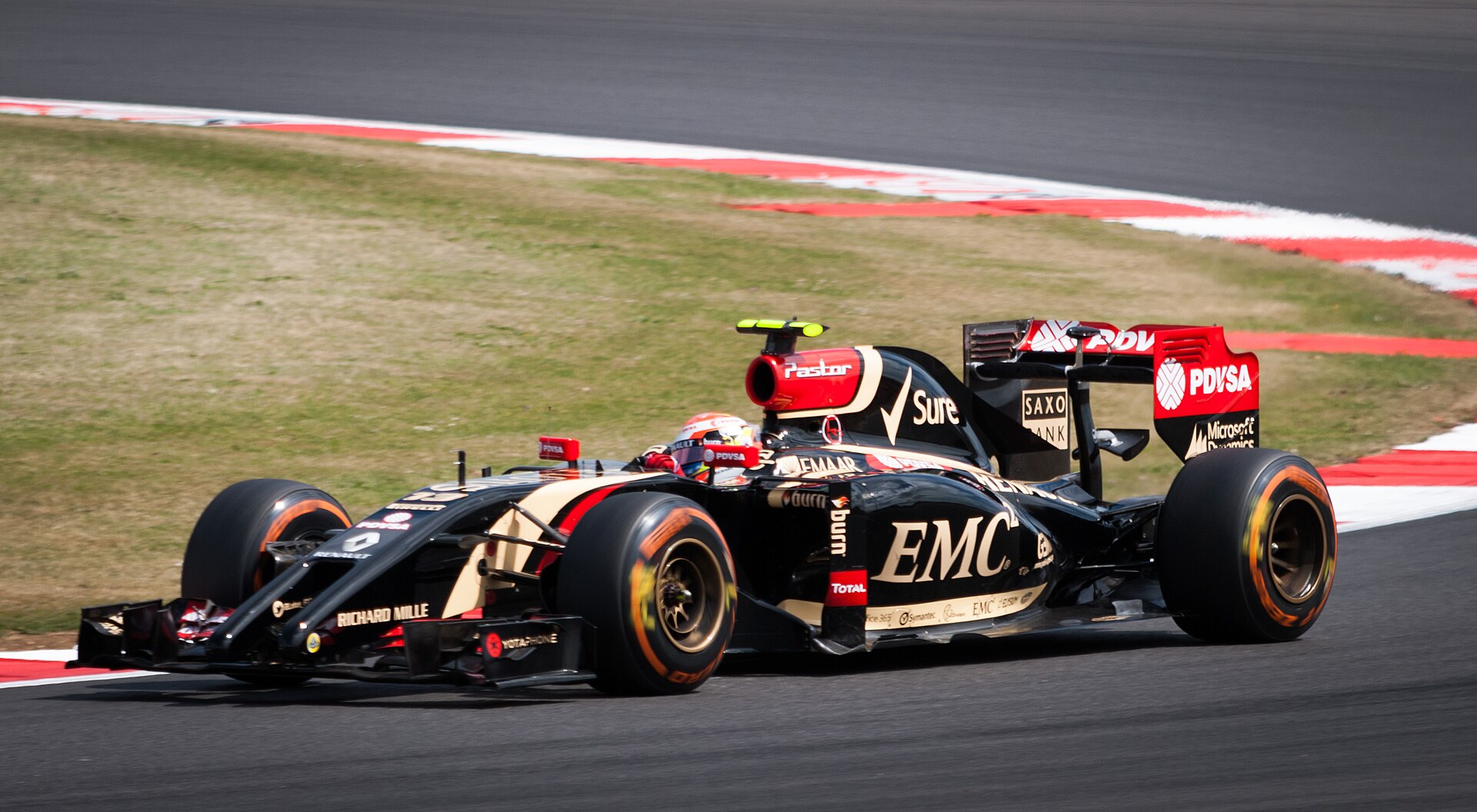
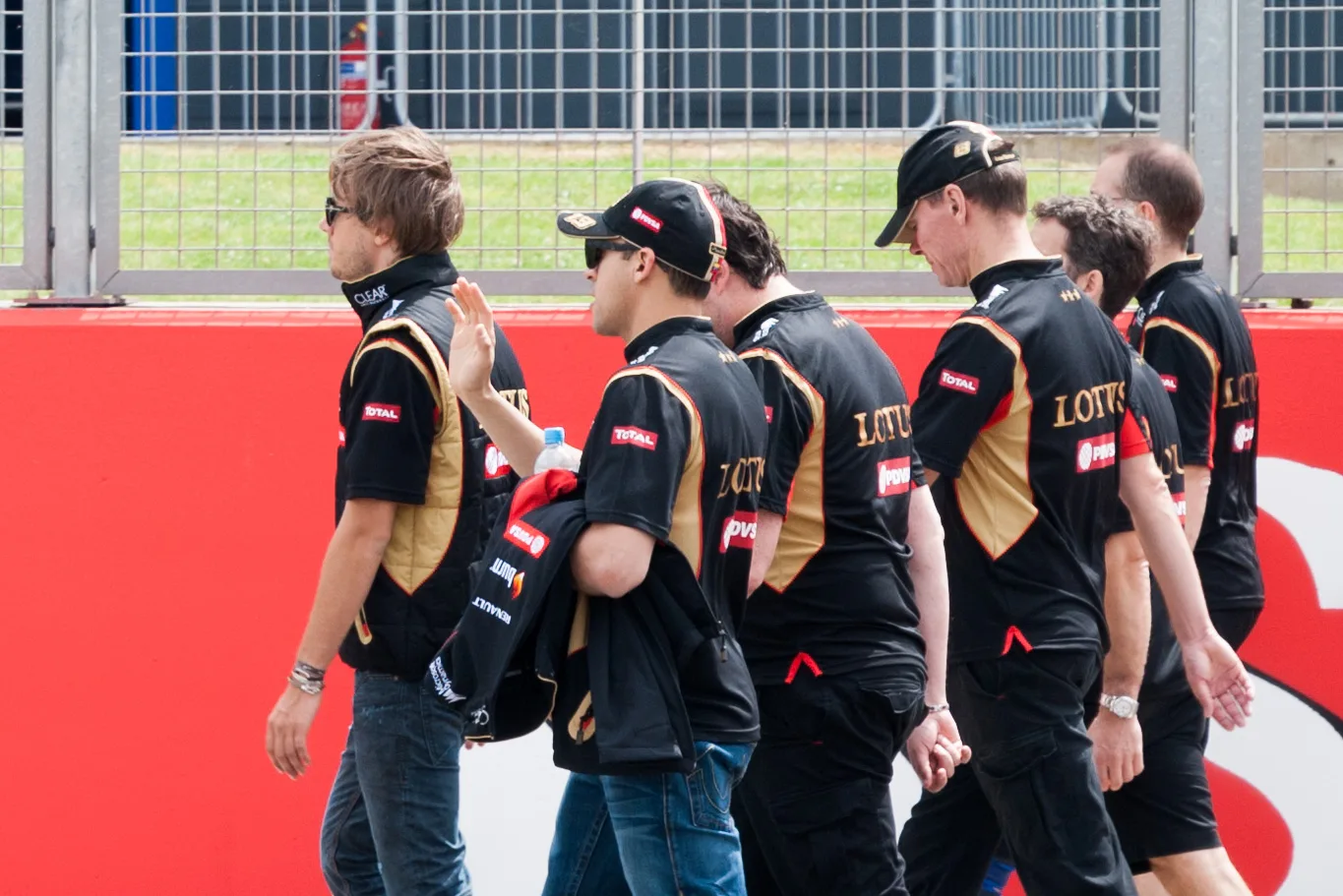
Maldonado, 29 at the time, had relied on millions of dollars in sponsorship from Venezuela’s state oil company PDVSA. The arrangement was closely associated with the late President Hugo Chavez, whose government prioritised high-profile sporting investments. PDVSA’s sponsorship played a key role in securing Maldonado’s seats at Williams and later Lotus, making him one of the grid’s most financially-backed drivers.
Political change and sponsorship controversy
Chavez’s death in 2013 triggered a period of political instability and economic pressure in Venezuela. The country’s spending on Formula One was already a source of controversy at home, with critics questioning the use of state funds for international motor racing while the nation faced domestic challenges.
Antonio Alvarez, appointed as sports minister in early 2014, made it clear that government priorities had changed. In comments reported by Venezuelan newspaper Ultimas Noticias, Alvarez stated there would be “not one more dollar for motor racing”, arguing that state resources should be directed towards sports more aligned with the country’s development needs.
Implications for Maldonado and F1 teams
The withdrawal of Venezuelan state support leaves Maldonado’s position in Formula One exposed. Without PDVSA’s backing, his ability to retain a race seat at Lotus or elsewhere would depend on finding alternative sponsors or personal funding. For teams, the loss of a major sponsor could have immediate financial consequences, particularly for those operating with tight budgets.
- Maldonado’s F1 future depends on securing new sponsorship.
- Lotus and Williams previously benefited from PDVSA funding.
- Other teams with state-backed drivers may face similar risks.
As of May 2014, there had been no announcement from Maldonado or PDVSA about plans to continue or replace the sponsorship. The situation placed both the driver’s future and the financial stability of his team in question as the Formula One season continued.