NASA's Curiosity Rover Touches Down Safely on Mars
NASA's Curiosity rover landed in Gale Crater in August 2012, delivering the first images from the Martian surface after a complex descent using a new sky crane system.
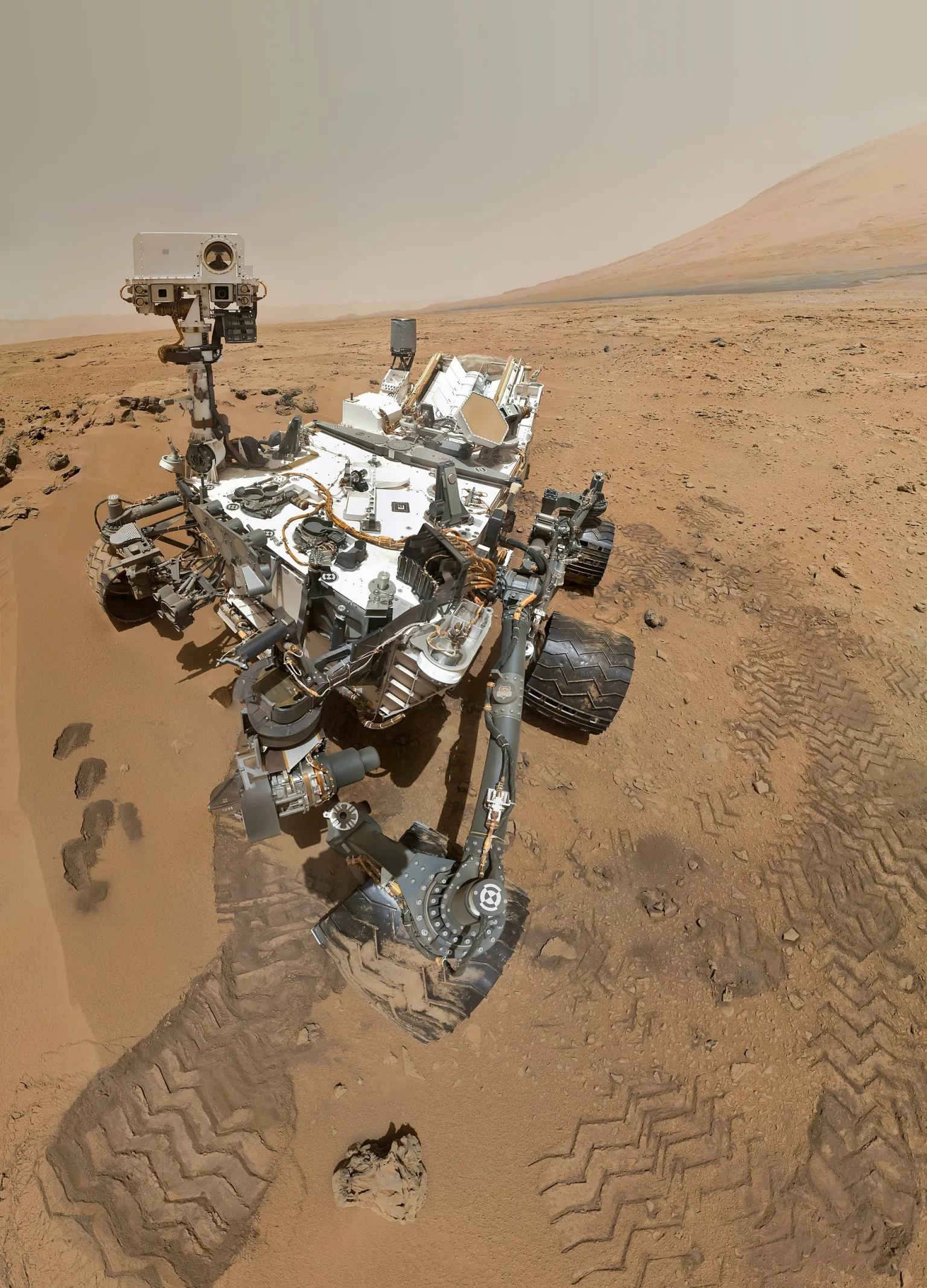
NASA's Curiosity rover completed its descent and landed safely on Mars at 5:33 GMT on 6 August 2012, after a journey of 352 million miles. The one-tonne rover touched down inside Gale Crater, using a novel sky crane system to lower it gently to the surface. The landing marked the end of eight years of planning and development for the most advanced planetary rover ever launched.
Curiosity's arrival was met with celebration at NASA's Jet Propulsion Laboratory in California, where engineers and scientists watched the final moments of the descent. The rover entered the Martian atmosphere at 13,000 mph before a controlled parachute and rocket-powered sky crane slowed and lowered it to the surface. The complex landing sequence was broadcast live, with mission control erupting in applause as confirmation of touchdown came through.
Minutes after landing, the Mars Odyssey orbiter relayed the first low-resolution images from Curiosity's hazard avoidance cameras. These initial pictures showed the rover's wheels on Martian soil, confirming its safe arrival and orientation. The primary mission is scheduled to last at least one Martian year (687 Earth days), with the rover set to explore the geology and climate of Gale Crater, searching for signs that Mars could have supported microbial life.
Mission objectives and technical details
Curiosity is roughly the size of a Mini Cooper, but its capabilities far exceed any previous Mars rover. It is equipped with a suite of scientific instruments, including cameras, spectrometers, environmental sensors and a robotic arm. The rover's nuclear power source allows it to operate through Martian nights and winters, giving it a broader operational window than battery-powered predecessors.
- Analyse Martian rocks and soil for chemical and mineral composition.
- Study the planet's climate and geology.
- Search for signs of past or present life.
- Prepare for possible future human missions.
At $2.5 billion, Curiosity is the most expensive Mars mission to date. The success of the landing was seen as a critical moment for NASA, which faces budget pressures and uncertainty over future Mars exploration missions. The safe arrival and immediate transmission of images provided a boost to the agency and demonstrated the viability of the sky crane landing system for future heavy payloads.
First images from Gale Crater
The first images sent back by Curiosity showed the rover's shadow on the Martian surface and the rocky terrain of Gale Crater. These pictures, though low in resolution, confirmed the success of the landing and the readiness of the rover's systems. Higher resolution images and video were expected as the mission progressed, providing scientists with new data on Mars' surface conditions and potential for past life.