Maserati Levante test mule spotted ahead of SUV launch
Maserati's Levante SUV development has moved to public roads, with a disguised prototype based on the Ghibli saloon caught testing as the brand prepares for its 2016 debut.
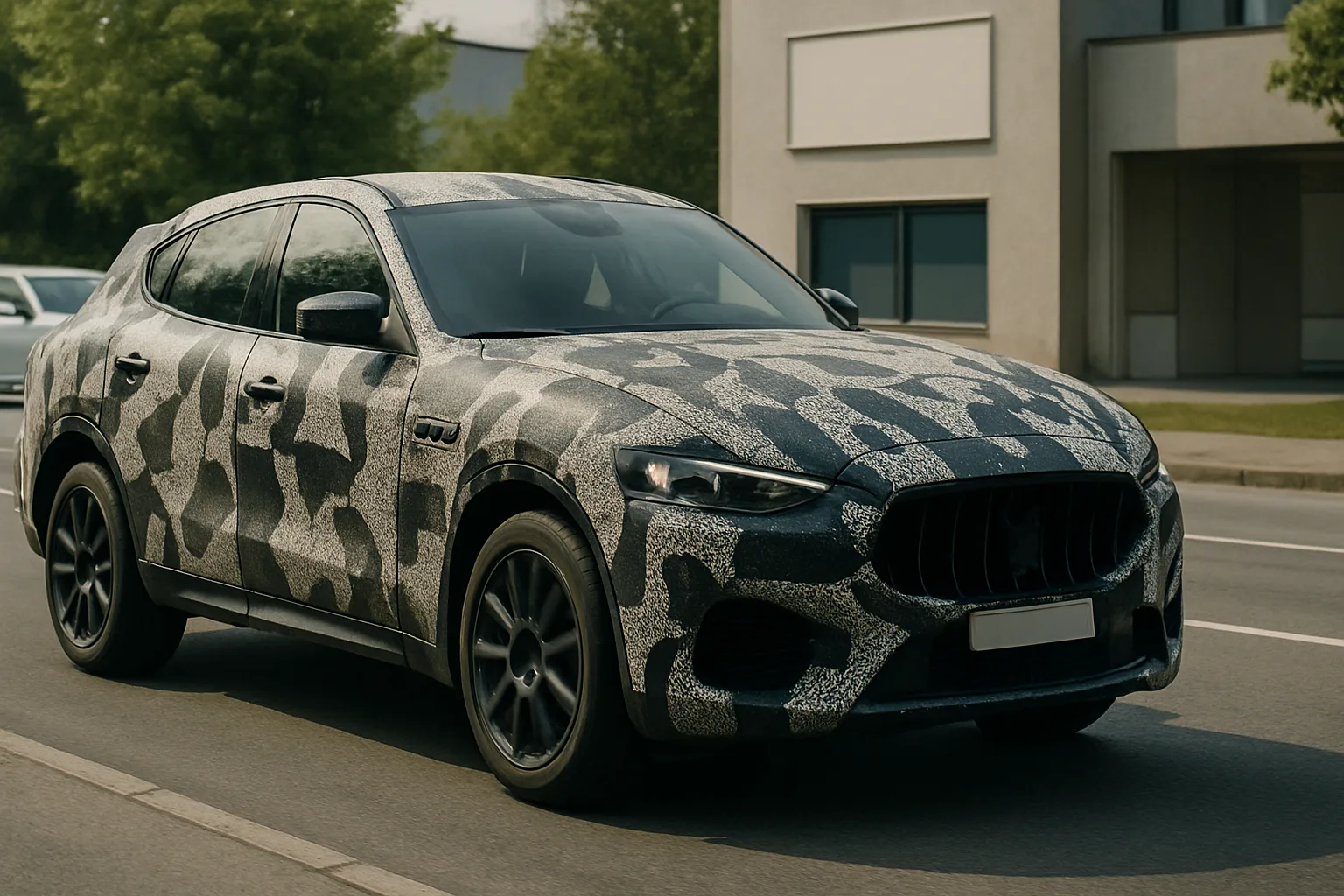
Maserati's long-awaited Levante SUV has reached a new stage of development, with a prototype mule recently caught on public roads. The test car wore a modified Ghibli saloon body, masking the true shape of the upcoming SUV while allowing engineers to evaluate its mechanical components in real-world conditions.
The Levante is Maserati's entry into the luxury SUV market, a segment dominated by the Porsche Cayenne and increasingly targeted by other premium brands. Maserati is positioning the Levante as a direct competitor to the Cayenne, rather than aiming for the ultra-luxury territory of the Bentley Bentayga. The Italian marque is counting on the new model to help it reach ambitious sales targets, with the Levante expected to appeal to affluent buyers seeking performance, style and practicality in a single package.
Prototype details and platform speculation
The prototype spotted on the streets featured the bodywork of the Ghibli saloon, a common tactic for disguising new models during early testing. This approach keeps the final design under wraps, but confirms that the development programme is progressing. There has been ongoing debate about the Levante's underpinnings. Some sources suggest it will use a stretched version of the Quattroporte platform, while others point to the possibility of Maserati adapting the Jeep Grand Cherokee’s architecture, given both brands are under the Fiat Chrysler Automobiles umbrella.
Maserati has not confirmed which route it will take, but the choice of platform will have implications for ride quality, handling and off-road ability. A Maserati-developed platform would likely emphasise on-road dynamics, while a Grand Cherokee base could offer greater versatility for buyers interested in all-terrain capability.
Engine range and market positioning
Engine options for the Levante are expected to cover a broad spectrum. Petrol choices will likely include a twin-turbocharged V8 producing around 560hp, alongside twin-turbo V6 units with outputs of 350hp and 425hp. Diesel engines are also planned, with a V6 available in 250hp, 275hp and 340hp variants. This range would allow Maserati to compete directly with the Cayenne’s diverse line-up and meet demand in key European markets where diesel remains popular.
The Levante’s arrival is a critical step for Maserati as it seeks to expand its global presence and challenge established rivals. With prototypes now testing on public roads, the project appears on track for its planned launch next year. For more on the Levante’s progress and Maserati’s SUV strategy, see Maserati Levante SUV confirmed for 2016 launch.