Mercedes-Benz Future Truck 2025: Images and Key Details Revealed
Mercedes-Benz has unveiled the Future Truck 2025 concept, previewing autonomous driving technology and a radical new cabin design for long-haul lorries.
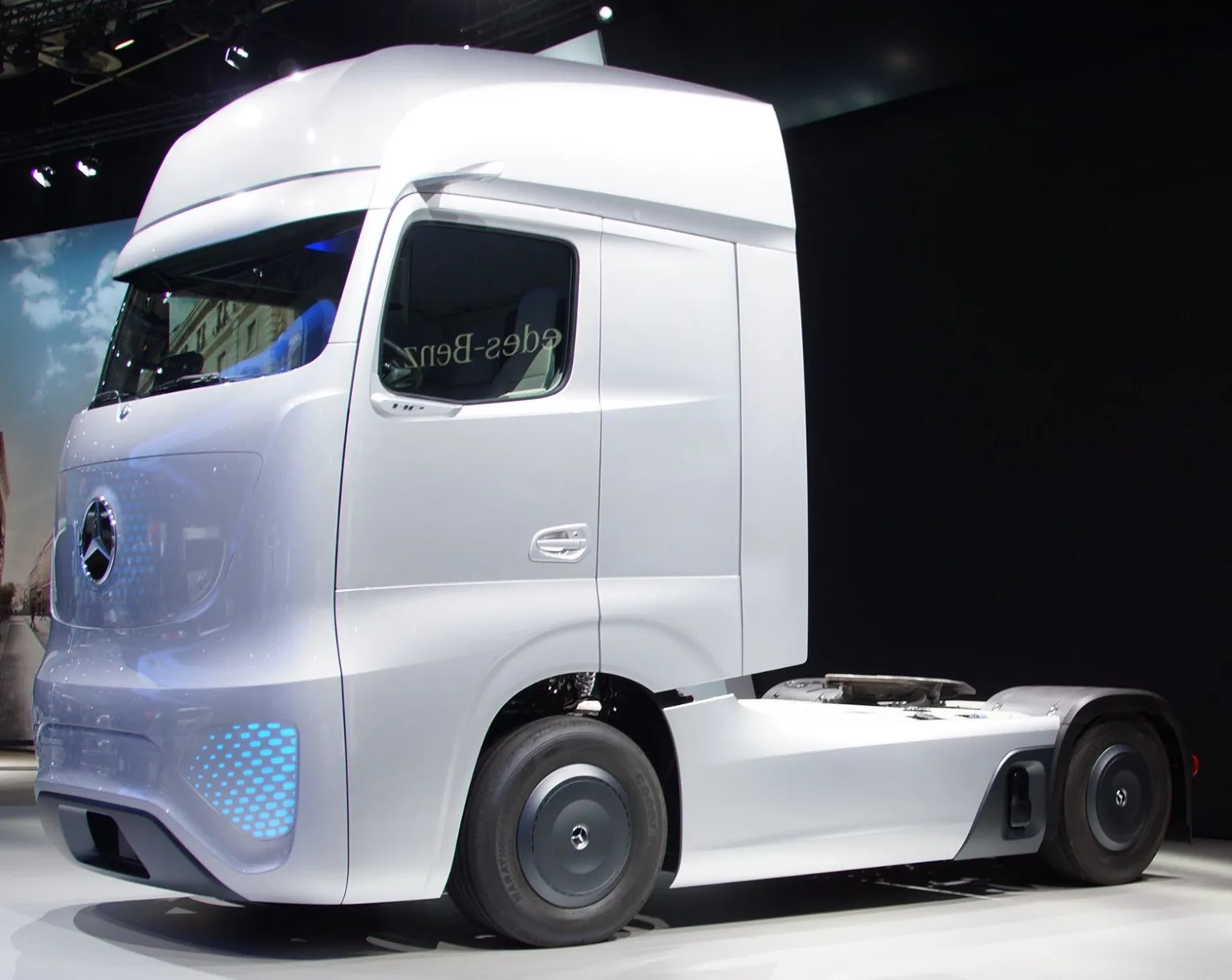
Mercedes-Benz has unveiled images and technical details of the Future Truck 2025, a concept designed to showcase the company’s vision for the future of autonomous long-haul transport. This prototype, built and tested on German roads, demonstrates technology that could shape the next generation of commercial vehicles. With its distinctive appearance and advanced features, the Future Truck 2025 aims to set new benchmarks for safety, comfort, and efficiency in the haulage industry.
Overview of the Mercedes-Benz Future Truck 2025 Concept
Highway Pilot: Autonomous Driving Technology
At the heart of the Future Truck 2025 lies the Highway Pilot system. This technology allows the lorry to drive autonomously on motorways, enabling drivers to hand over control in suitable conditions. The system relies on a combination of radar sensors and cameras to monitor the road and surrounding traffic. A stereo camera, positioned behind the windscreen above the instrument panel, scans up to 100 metres ahead. It can identify single-lane and two-lane roads, moving and stationary vehicles, pedestrians, and other objects. The camera’s field of view covers 45 degrees horizontally and 27 degrees vertically, ensuring comprehensive road monitoring.
The Highway Pilot is designed to function similarly to an aircraft autopilot, taking over driving duties on motorways while allowing the driver to intervene if necessary. This approach aims to reduce driver fatigue and increase safety during long-distance journeys. Mercedes-Benz has demonstrated the system’s capabilities by testing the prototype at speeds of up to 80 km/h (50 mph) on German motorways.
LED Lighting and Communication with Other Road Users
A key feature of the Future Truck 2025 is its innovative LED lighting system, which communicates the vehicle’s status and intentions to other road users. When the engine is started, LEDs illuminate the front fascia and headlights. In manual driving mode, the lights glow white. When the truck switches to autonomous mode, the lights change to blue, signalling that the Highway Pilot is in control. An orange flashing pattern is used to warn others when the vehicle is about to change lanes or perform a manoeuvre under autonomous control. This visual communication is intended to improve safety and awareness on busy motorways.
Cabin Design and Driver Comfort
Inside the cabin, Mercedes-Benz has focused on comfort and reducing fatigue for drivers who spend extended periods on the road. The interior features natural materials and a layout designed to create a relaxing atmosphere. The driver’s seat can recline and rotate by up to 45 degrees, offering a more comfortable position when the Highway Pilot system is engaged. This flexibility allows drivers to rest or use the removable tablet, which serves as the primary interface for vehicle systems and information. The emphasis on digital controls reflects the broader shift towards connected and automated vehicles in the commercial sector.
Autonomous Driving Sensors and Camera Technology
The Future Truck 2025’s autonomous driving capability is supported by a sophisticated sensor suite. The stereo camera provides a 100-metre range and wide field of view, allowing the system to detect lane markings, vehicles, pedestrians, and obstacles. Radar sensors complement the camera by monitoring the truck’s surroundings and ensuring accurate detection of other road users. This integration of sensors is essential for safe autonomous operation, particularly at motorway speeds.
Prototype Testing and Future Prospects
Mercedes-Benz has already built and tested the Future Truck 2025 prototype, demonstrating hands-free driving at speeds up to 80 km/h on public roads. While the company has not provided a production timeline, the concept signals its ambitions for the next decade of commercial vehicle development. The Highway Pilot system and cabin innovations could influence future production trucks, potentially making long-haul transport safer and more efficient.
The Future Truck 2025 remains a concept for now, but its technology showcases the direction Mercedes-Benz intends to take with its commercial vehicles. The development of autonomous driving systems, advanced communication features, and improved driver comfort points towards a future where long-distance freight transport is safer, more efficient, and less demanding for drivers. As the industry continues to evolve, concepts like the Future Truck 2025 provide a glimpse into what may soon become standard on Europe’s motorways.
Summary of Key Features
- Highway Pilot autonomous driving system for motorway use
- LED lighting that signals driving mode and manoeuvres to other road users
- Cabin with natural materials and a rotatable, reclining seat
- Removable tablet as main vehicle interface
- Stereo camera and radar sensors for comprehensive road monitoring
- Tested at speeds up to 80 km/h in Germany