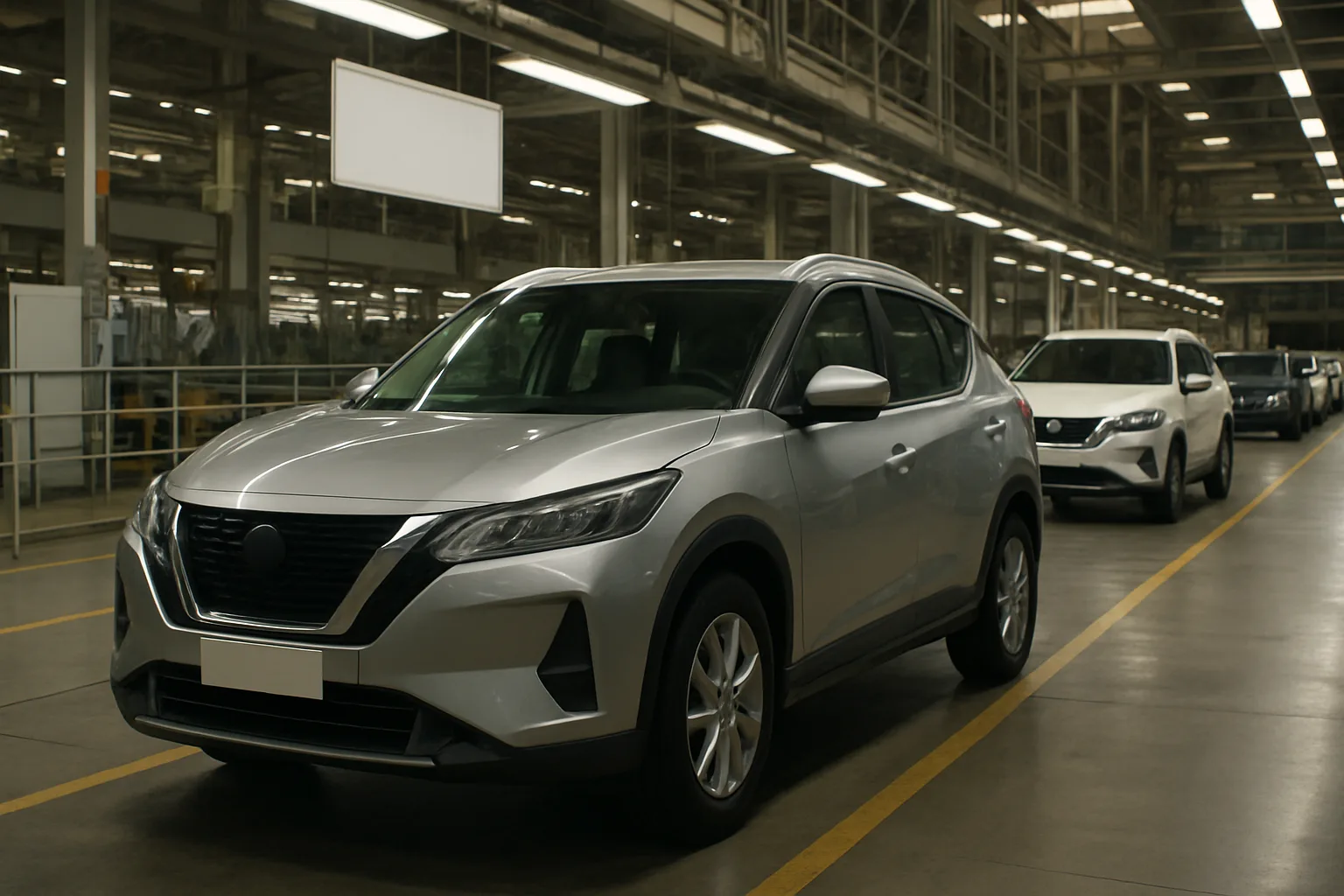
Mercedes-Benz targets 20% logistics cost cut with supply chain overhaul
Mercedes-Benz has launched a global reorganisation of its supply chain, aiming to reduce logistics costs per vehicle by around a fifth through new consolidation centres and network changes.
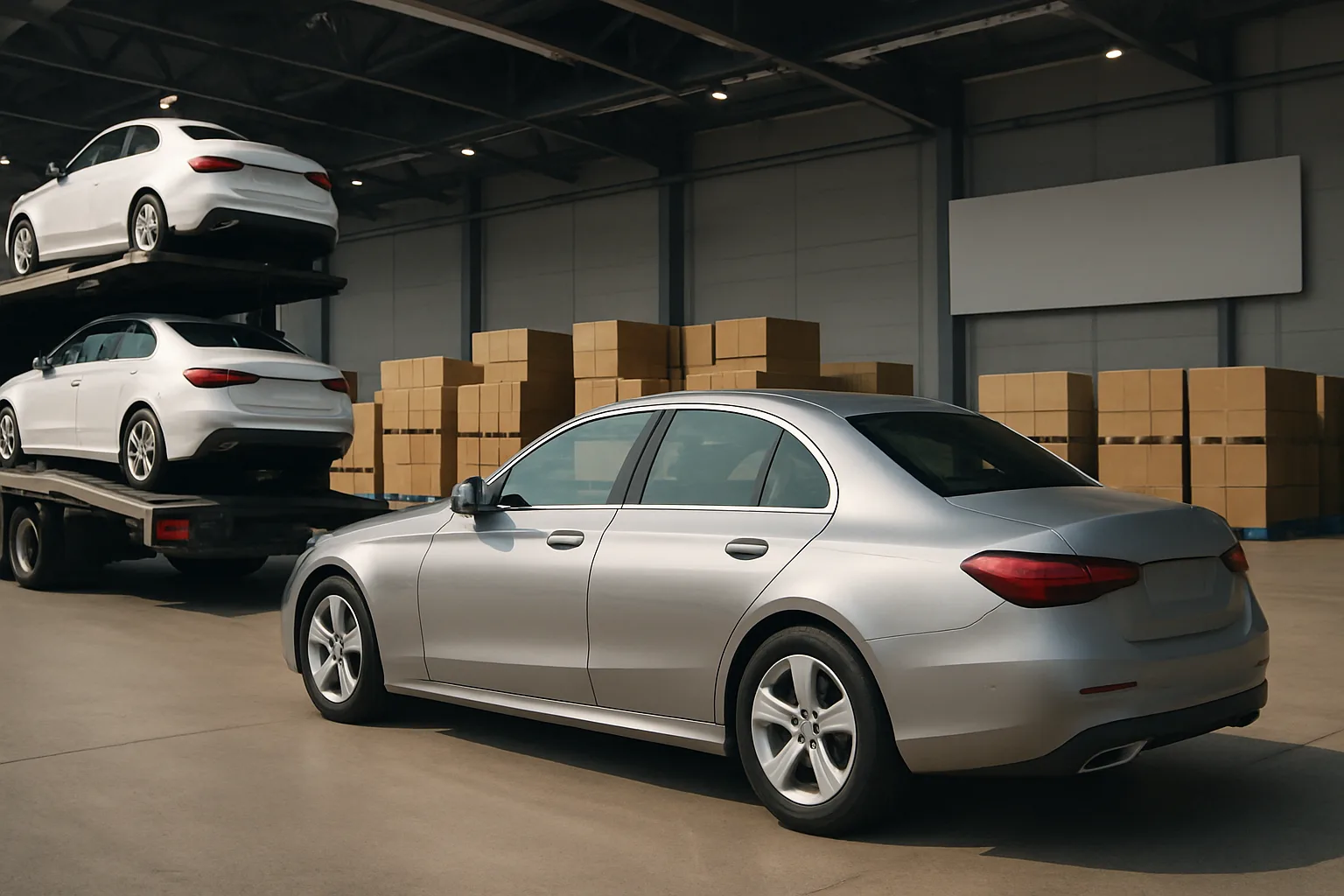
Mercedes-Benz has begun a major reorganisation of its global supply chain, targeting a 20% reduction in logistics costs per vehicle. The company is investing hundreds of millions of euros in new infrastructure and processes as it responds to rising supply expenses and growing production complexity.
Logistics costs outpacing manufacturing in some plants
Markus Schaefer, head of supply chain management, said the company’s supply costs have begun to exceed manufacturing costs at some lower-wage plants. As Mercedes-Benz has expanded production outside Germany, most of its suppliers remain in Europe, increasing the distance components must travel and adding pressure to logistics operations.
The company currently builds over 30 vehicle derivatives, each assembled from thousands of parts. This complexity, combined with record global demand, has driven Mercedes-Benz to overhaul its supply chain to maintain profitability and production efficiency.
New consolidation centre in Germany
A €90 million consolidation centre has opened in Speyer, Germany. The facility gathers parts from European suppliers and repacks them for more efficient shipment to Mercedes-Benz factories in China, the United States and South Africa. The company said it may establish additional consolidation centres to support growth in key regional markets such as China and North America.
Changes to production network and management
In the past year, Mercedes-Benz has restructured its production network, including the appointment of a global manager for compact cars. These models, built in Germany, Hungary and China, are underpinned by the MFA architecture. The company employs 7,500 staff in supply chain roles, reflecting the scale of its logistics operations.
The new supply chain strategy is intended to support Mercedes-Benz’s global expansion while keeping costs under control. If further consolidation centres are built, the company expects to streamline component flows to its worldwide plants and reduce the impact of supply chain complexity on its bottom line.
For more on Mercedes-Benz’s global operations, seeMercedes Benz Plant in Kecskemet.