Minardi Questions Legality of Vettel’s Singapore Advantage
Gian Carlo Minardi has publicly raised concerns over Sebastian Vettel’s dominant pace at the 2013 Singapore Grand Prix, suggesting possible irregularities in Red Bull’s traction control systems.
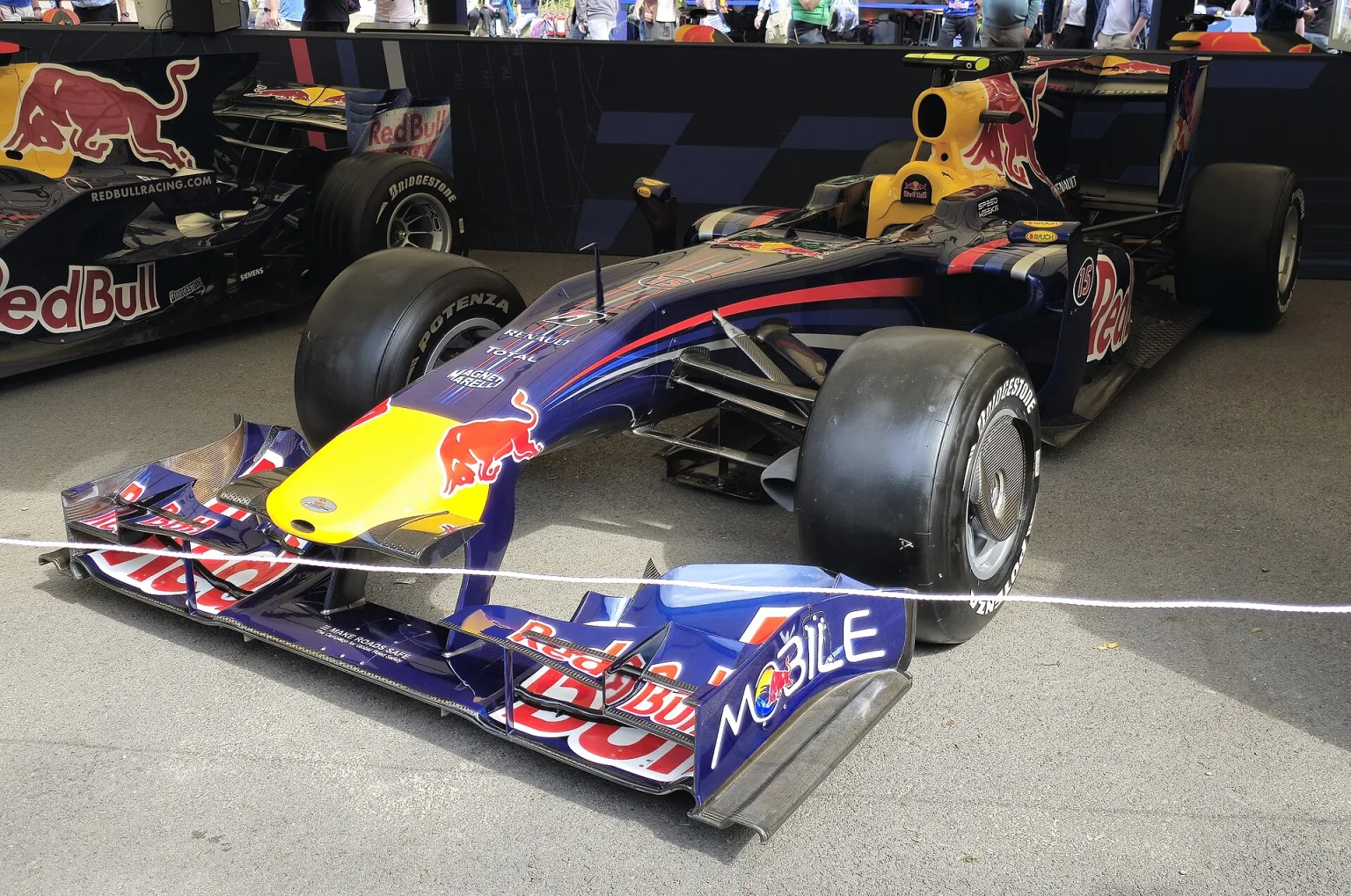
Former Formula One team boss Gian Carlo Minardi has publicly raised suspicions about Sebastian Vettel’s dominant victory at the 2013 Singapore Grand Prix, questioning whether Red Bull’s RB9 was running within the sport’s traction control regulations. Minardi, who attended the race at Marina Bay, pointed to Vettel’s ability to accelerate earlier than rivals and a distinctive engine sound as grounds for concern.
Minardi, whose former team was sold to Red Bull and became Toro Rosso, said Vettel’s advantage under the Singapore lights was unusually large compared to the rest of the field. He observed that while Vettel’s Red Bull was only marginally ahead in practice and qualifying, the pace gap grew dramatically at key points during the race, particularly after the safety car period. Minardi also noted that Vettel’s team-mate Mark Webber, running an identical Renault-powered car, was unable to match the German’s acceleration or laptimes through the same sections.
Traction Control Suspicions
The former team boss drew particular attention to the sound of Vettel’s engine at full acceleration, claiming it resembled the noise produced by traction control systems in earlier eras of Formula One. Minardi stated that this sound was not present on any other Renault-powered car at Singapore, including Webber’s, and was most noticeable when Vettel pulled clear of the field after the safety car restart. Traction control had been banned in Formula One since 2008, with teams required to run standardised ECU software to enforce the restriction.
Minardi stopped short of making a formal accusation, stressing that he did not want to undermine Vettel’s achievements, but called for clarity from the FIA or Red Bull on the source of the performance and the engine note. No official protest was lodged after the event, and the FIA did not announce any investigation into Red Bull’s systems. Vettel’s dominant run in Singapore was one of a series of victories that helped secure his fourth consecutive drivers’ title that season.
No FIA Action or Evidence of Rule Breach
Despite Minardi’s public doubts, there was no evidence presented to suggest Red Bull breached the technical regulations. The FIA’s standard ECU was designed to prevent unauthorised electronic aids, and post-race scrutineering did not reveal any irregularities. Red Bull and Vettel continued their run of form through the remainder of the 2013 season, with Vettel ultimately winning nine consecutive races.
Minardi’s comments reflect ongoing tensions in Formula One over the policing of electronic systems and the difficulty of enforcing complex technical rules. While the governing body has periodically updated its monitoring tools, suspicions over traction control and other driver aids have surfaced before, especially when a team or driver achieves a sudden and unexplained performance advantage.
For further reading on driver perspectives, see Vettel: Overtaking in F1 Should Remain a Challenge.