MIT and Volkswagen Develop AIDA: The In-Car Robot That Learns With You
AIDA, a dashboard-mounted robot developed by MIT and Volkswagen, aims to transform driving by learning driver habits, reading emotions and offering real-time, personalised guidance.
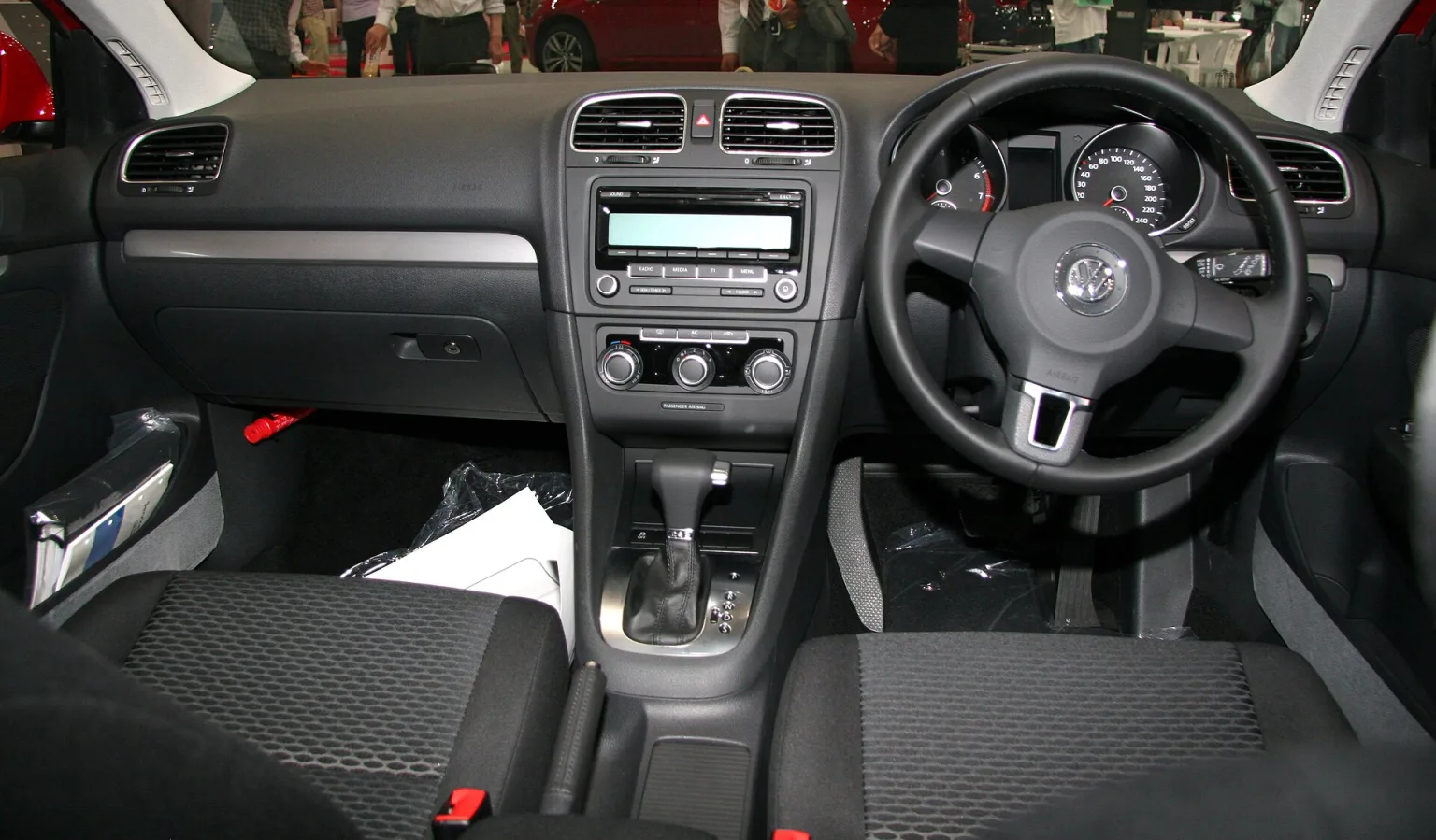
MIT researchers, in partnership with Volkswagen Group of America, have unveiled AIDA, the Affective Intelligent Driving Agent, a prototype dashboard robot designed to fundamentally change the way drivers interact with their cars. Far from a conventional navigation system, AIDA uses sensors, city data and driver behaviour analysis to offer personalised advice, route planning and real-time feedback, all while responding to the driver’s mood.
How AIDA Works
AIDA’s core is a small robot embedded in the dashboard, equipped with a video camera to monitor the driver and a five-jointed neck to orient itself towards whoever is speaking or driving. The robot’s face uses a laser video projector to display expressive eyes that blink and convey emotion, aiming to make communication as immediate as a human passenger’s smile or frown. This approach, MIT’s team says, allows AIDA to give feedback, such as reminders to buckle up or slow down, more intuitively than traditional dashboard alerts.
AIDA analyses how the driver uses the car, monitoring inputs like pedal use, seat position and even wiper activity. Within a week, it identifies common destinations such as home and work. It then begins to suggest routes that avoid traffic, recommend stops for fuel, and alert the driver to relevant events or attractions nearby. The system incorporates real-time city data, including traffic jams, weather, commercial activity and local events, to tailor its guidance.
Learning Driver Preferences and Emotions
Unlike standard navigation systems, AIDA is designed to form a “symbiotic relationship” with the driver. It learns not just routes but also personal preferences and priorities. Over time, AIDA can infer the driver’s goals, such as preferred shops or energy-saving routes, and adjust its recommendations accordingly. The robot also reads the driver’s mood from facial expressions and other cues, responding in a socially appropriate way. The intention is to create a bond where driver and agent both adapt to each other’s habits and needs.
Privacy and Distraction Concerns
The system’s ability to track driver behaviour and store personal information raises privacy questions. MIT researchers acknowledge this and say drivers will need ways to control what data AIDA collects and uses. There is also the issue of distraction: some may find a robot in the dashboard unsettling, but the team argues that human-like expressions are processed instantly and are less distracting than reading text or maps. The design aims to mimic the presence of a helpful passenger, which some studies suggest can improve safety.
Development and Future Plans
AIDA is the result of collaboration between the MIT Media Lab’s Personal Robots Group, the SENSEable City Lab and Volkswagen’s Electronics Research Lab, with Audi providing the test vehicle. The prototype was demonstrated using an Audi Q5 dashboard. As of late 2009, AIDA remained in the research phase, with plans to build a driving simulator for controlled studies and to begin real-world vehicle testing from 2011. No production timeline or cost details have been announced.
- AIDA learns driver routines and adapts advice over time.
- It provides real-time, context-aware navigation and behavioural feedback.
- Facial expressions and mood cues are central to its interaction model.