Mitsubishi to Offer Compensation After Fuel Economy Scandal
Mitsubishi will compensate Japanese mini-car owners affected by manipulated fuel economy figures, with Nissan customers also covered as part of the arrangement.
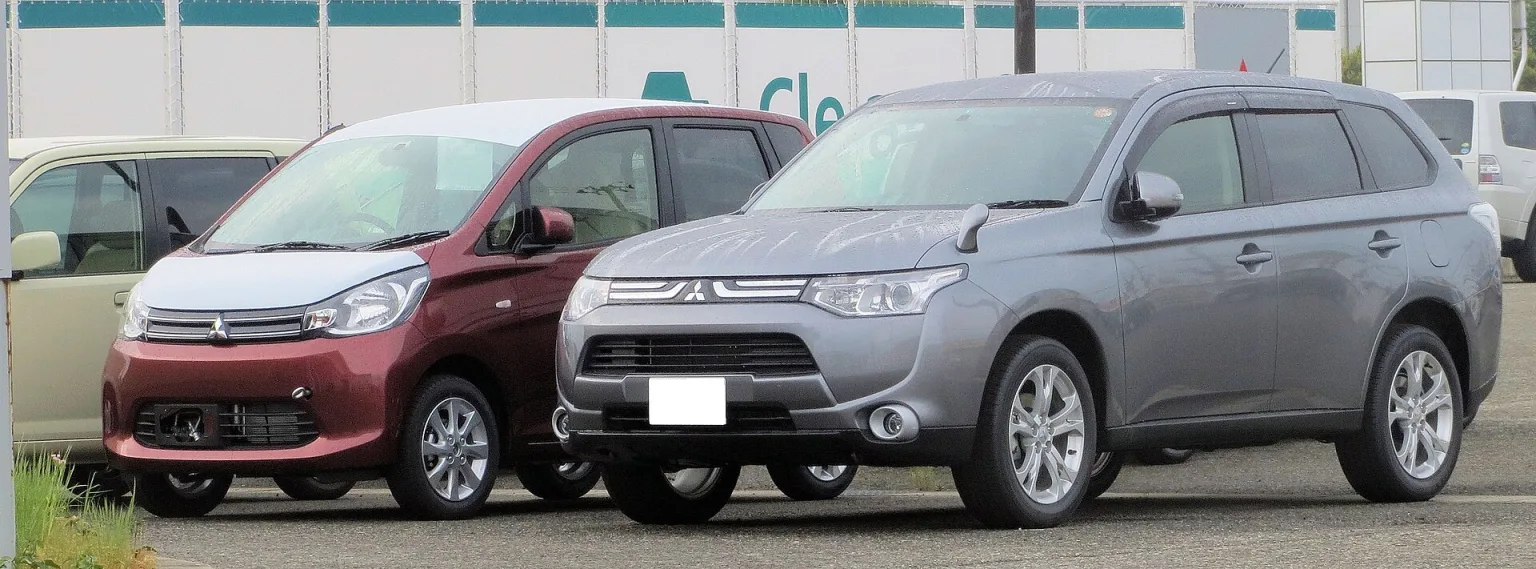
Mitsubishi Motors admitted in April 2016 to falsifying fuel economy data for hundreds of thousands of vehicles, primarily affecting Japanese mini-cars. The manipulated figures made cars appear more efficient than they were. The scandal also involves certain Nissan models, as Nissan sourced mini-cars from Mitsubishi through an OEM arrangement.
Background to the Mileage Scandal
Scope of the Affected Vehicles
| Brand | Model Type | Market | Status |
|---|---|---|---|
| Mitsubishi | Mini-cars | Japan | Affected |
| Nissan | Mini-cars (OEM from Mitsubishi) | Japan | Affected |
| Various | Potential overseas models | International | Under investigation |
Approximately 625,000 mini-cars sold in Japan are implicated. While most affected models are in Japan, concerns remain that additional overseas models could also be involved. Details on the international impact are still limited.
Compensation Plan for Customers
- Mitsubishi will compensate owners of affected Mitsubishi and Nissan mini-cars.
- Compensation covers additional fuel expenses and related costs from inaccurate mileage data.
- Mitsubishi is responsible for both its own and Nissan customers’ claims.
- Exact amounts and methods of compensation have not yet been fully disclosed.
The compensation scheme is expected to be substantial, given the number of vehicles involved. Japanese media, including the Nikkei newspaper, report that Mitsubishi will cover costs incurred by customers due to the inaccurate fuel consumption figures. The company has confirmed its intention to provide financial redress to all affected owners.
Impact on Mitsubishi and the Mini-Car Market
The scandal has already had a significant effect on Mitsubishi’s business. In April 2016, domestic sales fell by 44.9 percent to 1,477 vehicles, according to the Japan Light Motor Vehicle and Motorcycle Association. Mitsubishi’s market value has dropped by more than $3 billion since the revelations. Although the automaker posted an operating income of 138.4 billion yen (about $1.27 billion) for the year ending March 2016, up 2 percent from the previous year, the outlook has darkened as the company faces compensation payments and further reputational damage.
Financial and Industry Consequences
The financial repercussions for Mitsubishi are likely to extend beyond the immediate compensation scheme. The company faces the prospect of regulatory penalties and the risk of further losses in consumer trust. With over 625,000 vehicles affected and the possibility of overseas models being implicated, costs could rise. The scandal has also prompted scrutiny of fuel economy testing practices across the industry, raising questions about oversight and transparency in vehicle certification.
As the situation develops, Mitsubishi’s response and the effectiveness of its compensation plan will influence how quickly it can recover and restore its reputation among customers and investors.