Mitsubishi Pajero facelift launches in Japan with updated styling
The revised Mitsubishi Pajero arrives in Japanese showrooms from July 2014, featuring a refreshed front end, interior tweaks and unchanged engine options.
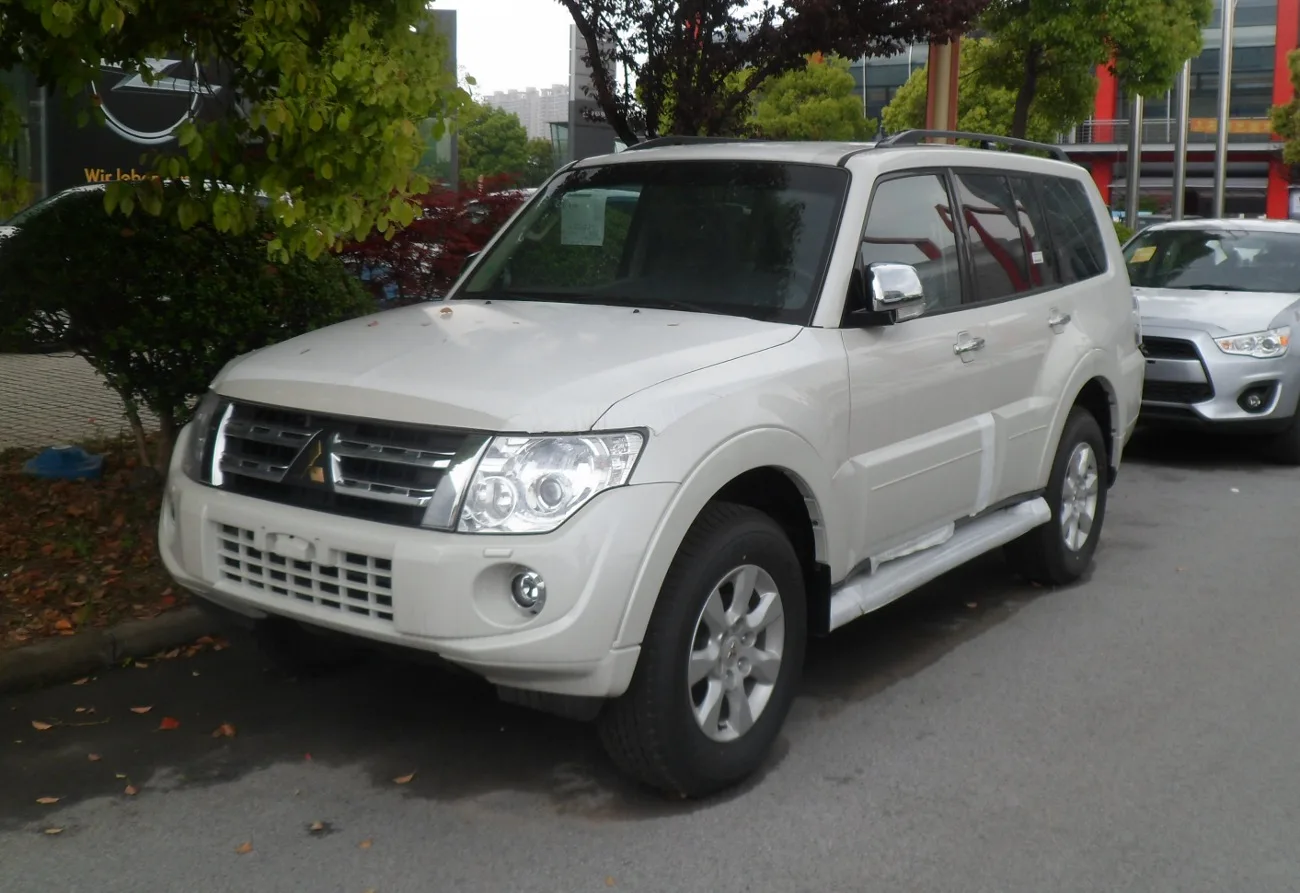
Mitsubishi has introduced a facelifted version of the Pajero SUV for the Japanese market, with the revised model entering showrooms from 17 July 2014. The update brings a refreshed exterior and a series of interior enhancements, while engine choices are unchanged. The Pajero remains a staple in Mitsubishi’s lineup, and this latest revision aims to keep it competitive amid a crowded field of large SUVs.
Mitsubishi Pajero Facelift: New Look for 2015
Exterior Changes for the 2015 Pajero
The most visible change is at the front, where the Pajero receives a new grille design and integrated LED daytime running lights. The front bumper has also been updated to give the vehicle a more contemporary appearance. At the rear, the spare tyre cover has been redesigned. These updates are intended to keep the Pajero competitive in the large SUV segment, especially against rivals that have also received recent facelifts, such as the Toyota Land Cruiser Prado and the Ford Ranger. The exterior enhancements are subtle but noticeable, helping the Pajero maintain its presence on Japanese roads.
Interior Upgrades and Trim Options
Inside, Mitsubishi has focused on improving perceived quality. The VR II trim introduces piano black accents, while higher-spec Exceed and Super Exceed models add wood grain trim. Across the range, additional sound deadening material has been fitted to reduce cabin noise. These changes are intended to address one of the Pajero’s traditional weaknesses and bring the interior more in line with customer expectations for refinement in this segment.
The new trim materials aim to provide a more upmarket feel, particularly in the upper trim levels. The addition of metallic and piano black accents in the VR II offers a modern touch, while the wood grain found in Exceed and Super Exceed variants is designed to appeal to buyers seeking a more luxurious environment. Enhanced sound insulation should also contribute to a quieter, more comfortable ride, which is significant for families and long-distance travellers who have previously found the Pajero’s cabin somewhat noisy compared to rivals.
Engine Lineup and Pricing
Mitsubishi continues to offer the Pajero in Japan with the same engine options as before. Buyers can choose between a 3.0-litre V6 petrol and a 3.2-litre four-cylinder turbo diesel. Both engines are paired with automatic transmissions and four-wheel-drive systems, maintaining the Pajero’s reputation for off-road capability and reliability.
Pricing for the facelifted Pajero starts at 2,921,400 yen and rises to 4,930,200 yen, including consumption tax, depending on specification and trim level. This pricing structure positions the Pajero competitively against other large SUVs available in Japan, such as the Toyota Land Cruiser Prado. The range of trim levels allows buyers to select a Pajero that fits their needs and budget, from the more basic VR II to the well-equipped Super Exceed.
| Engine Options | 3.0-litre V6 petrol / 3.2-litre four-cylinder turbo diesel |
|---|---|
| Transmission | Automatic |
| Drivetrain | Four-wheel drive |
| Front fascia | New grille, LED daytime running lights |
| Interior Trim | Piano black (VR II), wood grain (Exceed, Super Exceed) |
| Sound Insulation | Additional material across all trims |
| Pricing (incl. tax) | 2,921,400 to 4,930,200 yen |
| Market launch | 17 July 2014 |
Market Context and Outlook
The Pajero’s update arrives as Mitsubishi continues to focus on incremental improvements to its established models, rather than launching all-new vehicles. The facelift keeps the Pajero in step with competitors that have also refreshed their large SUV offerings in recent years. For buyers in Japan, the changes deliver a modest improvement in comfort and style, but those seeking major technical advances or new powertrains will need to look elsewhere in the Mitsubishi lineup.
Mitsubishi’s strategy with the Pajero reflects a broader trend in the Japanese SUV market, where established models are refreshed to maintain interest and sales momentum. While the Pajero’s core mechanicals remain unchanged, the focus on interior quality and subtle exterior tweaks helps it remain relevant for buyers who value reliability and off-road capability. The Pajero continues to be a familiar sight in Japan, known for its robust construction and versatility, and this facelift should help sustain its appeal for another model year.
Comparison with Other Pajero Developments
For those interested in how this facelift compares to other Pajero developments, the 2013 Mitsubishi Pajero pricing for Italy and the 2016 Mitsubishi Pajero Sport design leak provide additional context. These examples show how Mitsubishi has continued to update and adapt the Pajero for different markets, with each version reflecting local preferences and regulations. While the core design and engineering remain consistent, trim levels, equipment, and styling details can vary significantly from one market to another.
As the Pajero approaches the later stages of its production cycle, such facelifts are likely to continue, ensuring that Mitsubishi’s flagship SUV remains a viable option for buyers seeking a capable, comfortable, and familiar vehicle. For now, the 2015 facelift ensures that the Pajero stays in the running against its long-standing rivals in Japan.