F1 Teams Face Financial Uncertainty Ahead of 2014 Abu Dhabi Finale
As the 2014 Formula One season approaches its double-points finale in Abu Dhabi, financial instability dominates the paddock, with Caterham and Marussia both fighting for survival.
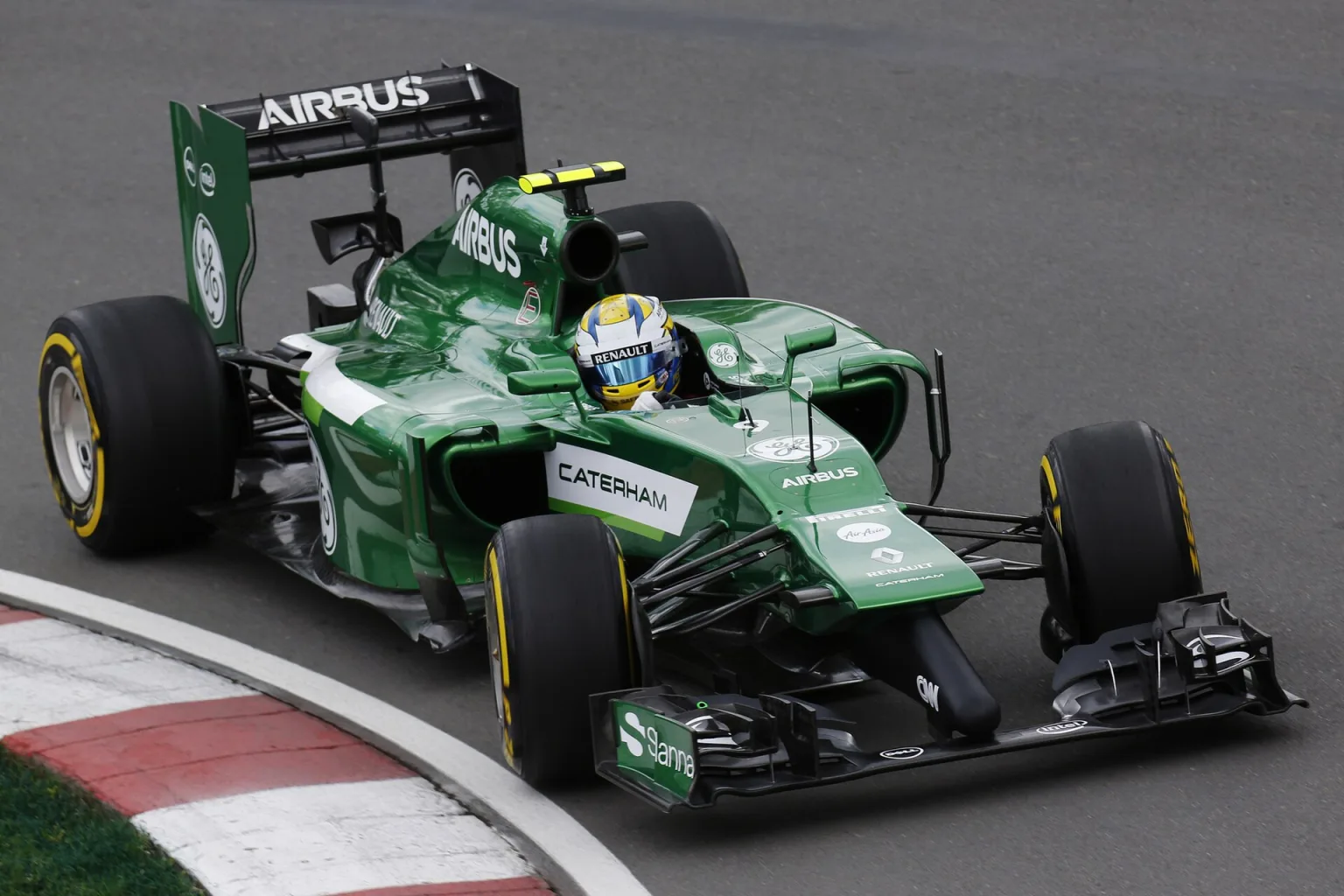
With the 2014 Formula One World Championship set for a high-stakes conclusion in Abu Dhabi, financial turmoil has overshadowed on-track drama. Both Caterham and Marussia (recently rebranded as Manor) have ceased trading, laid off staff and now face a race against time to return for the season’s final grand prix.
Caterham and Marussia scramble for survival
Caterham’s administrators have turned to crowdfunding, raising over half of the $3.7 million reportedly needed to bring the team back for the finale. The campaign has drawn attention for its unconventional approach, and the team may yet secure an additional $55,000 if it accepts an offer from the grandfather of British driver Alice Powell, who wants to fund a Friday practice drive for his granddaughter in Abu Dhabi.
Manor, formerly Marussia, is also seeking investors and exploring options to field a car in the final race, despite having already let go of its workforce. The situation remains fluid, with both teams’ futures depending on last-minute financial deals.
Pressure mounts for grid stability
If neither Caterham nor Marussia can compete, the Formula One grid would shrink further, intensifying calls for teams to run three cars in 2015. Ferrari is understood to have agreed in principle to field a third car if required, but Red Bull has pushed back, citing an estimated €35–40 million cost and demanding that Formula One’s commercial rights holders cover the expense. Mercedes has voiced reluctance, with Niki Lauda stating that money distribution is ultimately a matter for CVC, the sport’s controlling shareholder.
- Ferrari: Agreed in principle to run a third car if needed
- Red Bull: Wants CVC to pay for third car, estimates €35–40m cost
- Mercedes: Not keen, says money distribution is CVC’s responsibility
Debate over financial support for struggling teams
Discussions have taken place between team principals, Bernie Ecclestone and CVC’s Donald Mackenzie about releasing extra funds to keep smaller teams afloat. However, Ecclestone has made it clear that teams such as Lotus, Sauber and Force India should not expect a new ‘fighting fund’, arguing that current payments are sufficient for survival if costs are controlled.
The financial crisis has exposed deep divisions over how Formula One distributes its commercial revenues. While some propose further support for struggling outfits, others suggest that only the strongest teams should receive more to ensure grid numbers are maintained, even if it means running additional cars. The situation remains unresolved as the Abu Dhabi finale approaches, with the future of several teams and the structure of the 2015 grid hanging in the balance.