National Highways to trial four Hyundai IONIQ 9 electric SUVs
Four Hyundai IONIQ 9 seven-seat electric SUVs, converted by Richell Vehicle Conversions, will be tested by National Highways for frontline traffic officer duties on England’s major roads.
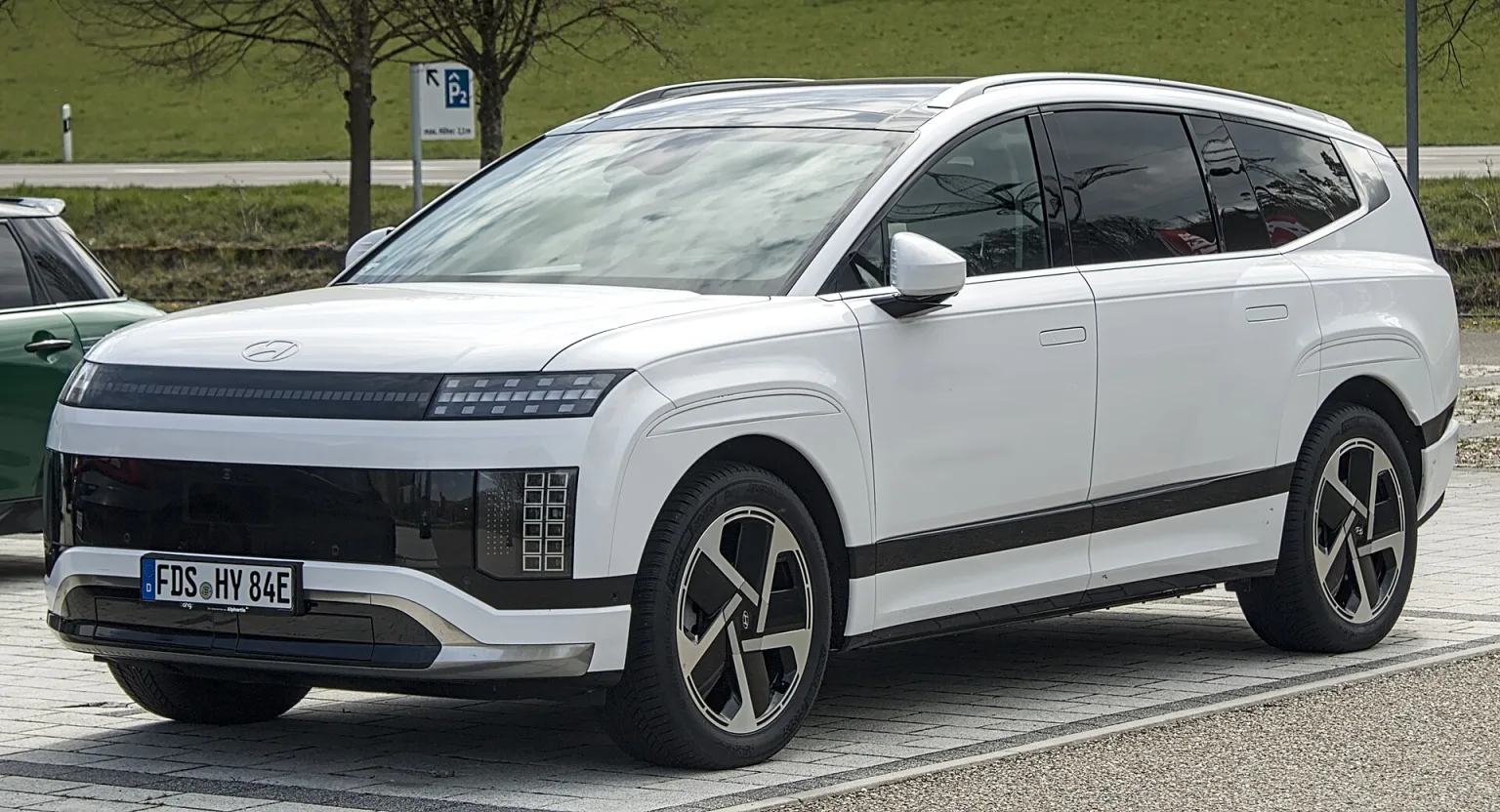
National Highways is set to begin a significant trial involving four all-electric Hyundai IONIQ 9 SUVs on England’s motorways and major A-roads. This initiative is designed to assess the suitability of these vehicles for use by frontline traffic officers. The trial marks a notable step in the agency’s ongoing efforts to modernise its operational fleet and reduce emissions, reflecting the broader shift towards electric vehicles (EVs) in public sector transport.
National Highways launches Hyundai IONIQ 9 trial on England’s roads
Hyundai IONIQ 9: Features and capabilities
The Hyundai IONIQ 9 is a large, seven-seat electric SUV powered by a substantial 110.3kWh battery, offering a WLTP-certified range of up to 385 miles. Its 800V electrical architecture supports ultra-rapid charging, which could prove crucial for vehicles required to spend extended periods on patrol before returning to base. National Highways will closely examine how the IONIQ 9’s charging speed and range perform under real-world conditions, particularly during high-mileage motorway patrols.
The vehicles have been specially converted for operational use by Richell Vehicle Conversions. Each IONIQ 9 is fitted with high-visibility decals, emergency lighting, and a comprehensive suite of on-board equipment tailored to the needs of traffic officers. To support the electrical demands of emergency warning systems and other specialist equipment, the SUVs are equipped with a dedicated 240Ah lithium auxiliary battery. This ensures that critical systems remain operational without draining the main drive battery, which is essential for maintaining range and readiness during long shifts.
Purpose of the trial and evaluation criteria
The trial will focus on several key areas: the IONIQ 9’s range in daily operational use, the practicality and speed of charging on the existing motorway network, and the vehicle’s ability to support the electrical demands of specialist equipment. National Highways aims to gather comprehensive data on the IONIQ 9’s performance, reliability, and overall suitability for the challenging conditions faced by traffic officers. This data will inform future decisions regarding fleet replacement and the broader adoption of electric vehicles within the agency.
The agency has stated that, depending on the outcome of the trial, it may consider further purchases of the Hyundai IONIQ 9 in 2026. This could pave the way for a wider rollout of electric SUVs across the National Highways fleet, supporting the government’s targets for cleaner transport and reduced carbon emissions.
Hyundai’s role in operational fleet electrification
Hyundai’s involvement in the trial highlights the growing interest among public sector organisations in electrifying their operational fleets. The IONIQ 9 is Hyundai’s largest electric SUV to date, and its selection for this trial places it in direct competition with other manufacturers aiming to supply vehicles for demanding, real-world roles. The move reflects a trend in which electric range, charging speed, and reliability are becoming increasingly important for agencies responsible for rapid response and high-mileage duties.
The trial also demonstrates Hyundai’s commitment to supporting the needs of public sector fleets and adapting its vehicles for specialist use. The company’s collaboration with Richell Vehicle Conversions ensures that the IONIQ 9s are fully equipped to handle the unique requirements of traffic officers, including the integration of auxiliary power systems and emergency equipment.
Potential impact and future prospects
If the Hyundai IONIQ 9 proves successful in the trial, National Highways could become one of the first major public sector agencies in the UK to deploy a fleet of large electric SUVs for frontline operational duties. This would not only support the agency’s environmental objectives but also provide valuable insights for other organisations considering similar transitions. The results of the trial will be closely watched by other public sector bodies, fleet managers, and manufacturers interested in the practicalities of EV adoption for demanding operational roles.