BMW 3 Series F30 brings new turbo engines and technical upgrades
BMW’s sixth-generation 3 Series swaps six-cylinder petrol engines for turbocharged fours, adds hybrid and efficiency tech, and grows in size while shedding weight.
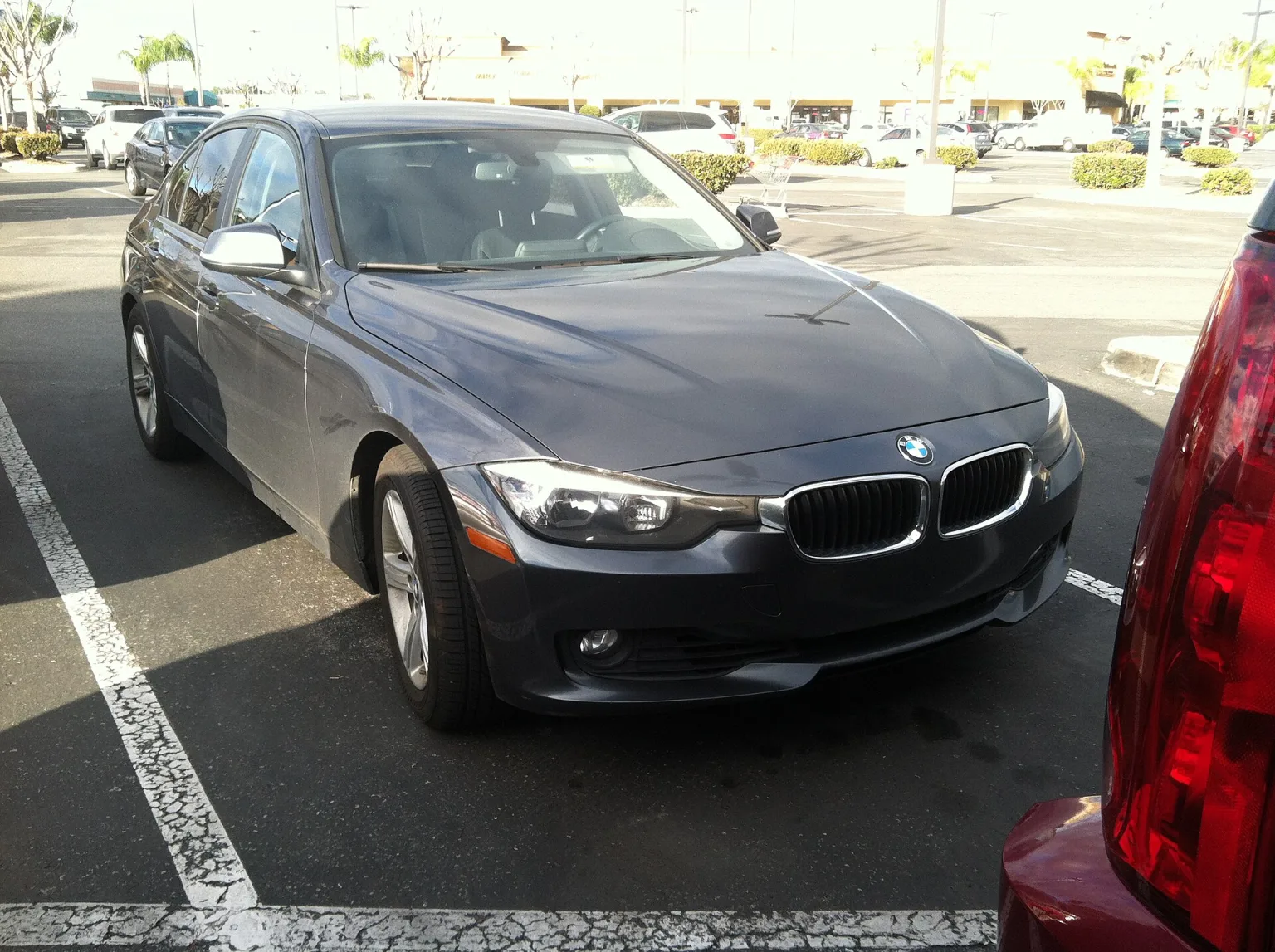
BMW’s sixth-generation 3 Series (F30), unveiled in 2012, introduces a new range of petrol and diesel engines, with the most notable change being the shift from naturally aspirated six-cylinder petrol units to turbocharged four-cylinders in key models. The new 2.0-litre four-cylinder turbo in the 328i produces 245hp and 350Nm, replacing the previous 325i and 330i’s 3.0-litre straight-six engines. This new engine uses direct injection, TwinScroll turbocharging, Double-VANOS variable camshaft timing and VALVETRONIC variable valve opening to deliver more power and torque than the outgoing six while improving efficiency.
Engine range: old vs new
The outgoing E90 3 Series offered naturally aspirated six-cylinder petrol engines in the 325i and 330i, both based on BMW’s long-running 3.0-litre straight-six. With the F30, BMW moves to a 2.0-litre turbocharged four-cylinder for the 328i, marking a major change in the 3 Series’ powertrain philosophy. The new engine delivers 245hp, up from 218hp (325i) and 272hp (330i), but with more torque available lower in the rev range, improving both performance and fuel economy.
Diesel options also see efficiency gains. The 320d EfficientDynamics Edition, for example, offers 163hp and claims just 4.1 litres per 100km in the EU test cycle, with CO2 emissions of 109g/km. This makes it the most economical 3 Series to date.
Hybrid and efficiency technology
For the first time, the 3 Series line-up will include a hybrid, the ActiveHybrid 3, which combines the 335i’s 306hp six-cylinder petrol with an electric motor producing up to 40kW. This hybrid system is shared with the ActiveHybrid 5 and aims to deliver both strong performance and lower emissions.
All F30 3 Series models gain Auto Stop-Start and Brake Energy Regeneration as standard, regardless of transmission. Ancillary components are now managed on demand, and low rolling resistance tyres contribute to reduced fuel use. An eight-speed automatic gearbox is available across the range, offering improved efficiency and flexibility compared to the old six-speed unit.
Chassis, driving modes and safety
The F30 introduces Drive Performance Control as standard, allowing drivers to select between ECO PRO, Comfort, Sport and Sport+ (the latter only on certain models or with options). This system adjusts throttle, gearbox and steering response to suit driving style or conditions. Adaptive M Sport suspension and M Sport brakes are optional, offering further customisation for keen drivers.
- Weight reduced by 50kg compared to E90, despite a 93mm increase in overall length and a 50mm longer wheelbase
- Front and rear tracks widened by 37mm and 47mm respectively
- Improved rear passenger space: 18mm more entry freedom, 15mm more knee room, 8mm more rear headroom
Safety and driver assistance technology expands, with options including lane change and lane departure warning, collision warning, adaptive cruise control with Stop & Go, BMW Parking Assistant and a variety of infotainment and connectivity upgrades. A tyre puncture warning system is standard.
Summary of key powertrain changes
| Model/Engine | Previous E90 | New F30 |
|---|---|---|
| Petrol 325i/330i | 3.0L NA I6 (218/272hp) | 2.0L Turbo I4 (245hp, 350Nm) |
| Diesel 320d | 2.0L I4 (177hp) | 2.0L I4 (163hp, EfficientDynamics) |
| Hybrid | N/A | ActiveHybrid 3: 3.0L I6 + 40kW e-motor |
| Transmission | 6-speed manual/auto | 6-speed manual, 8-speed auto |