Next-generation Renault Espace caught winter testing
Renault’s new Espace, set for a 2015 launch, has been photographed in cold-weather trials ahead of its expected debut at the 2014 Paris Motor Show.
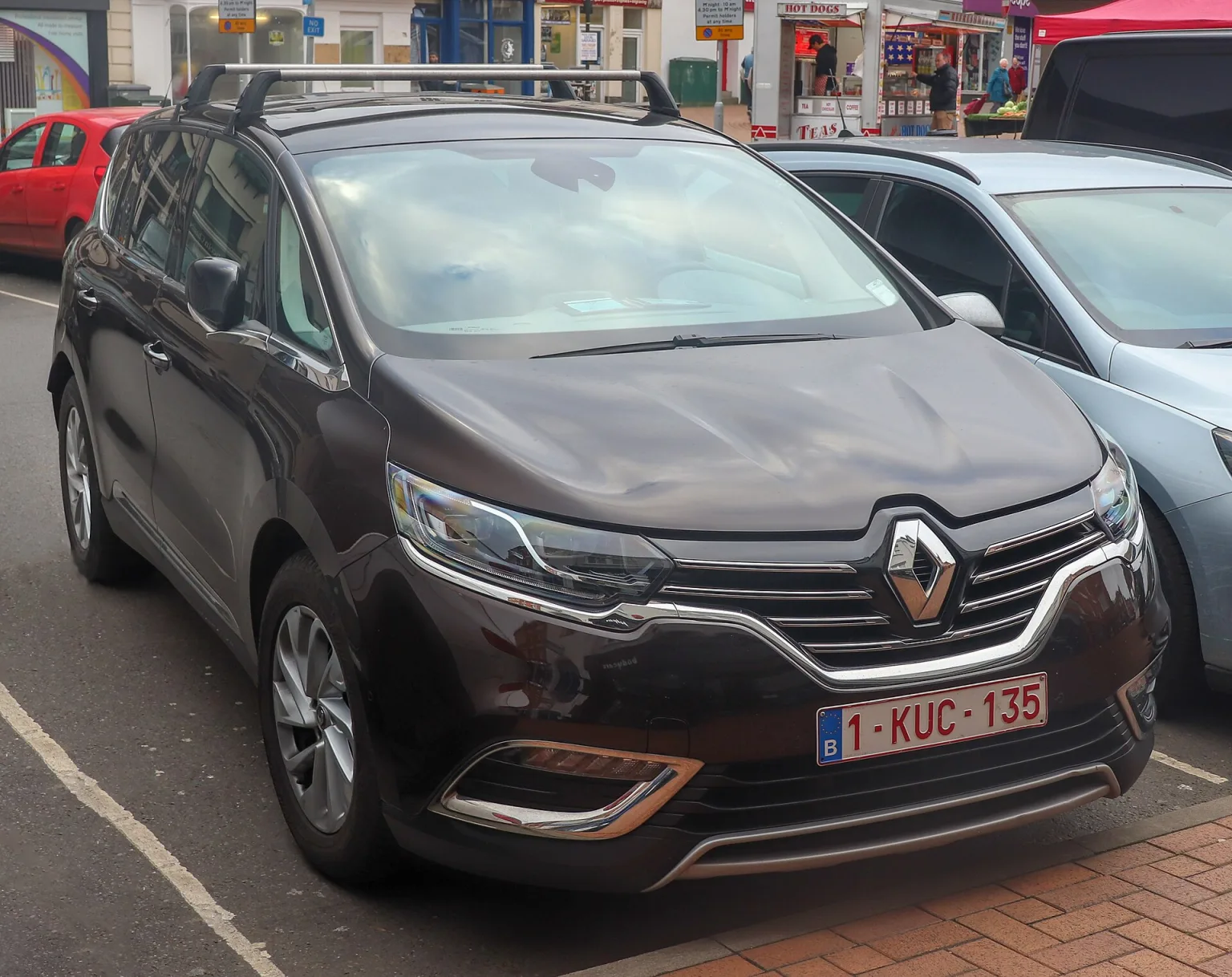
Renault’s forthcoming Espace has been captured by spy photographers during cold-weather testing, offering the first clear look at the next generation of the French MPV ahead of its anticipated unveiling at the 2014 Paris Motor Show. The prototype, heavily camouflaged, hints at a move away from the traditional boxy silhouette that has defined the Espace since its original launch in 1984. Instead, the new model appears to favour a sleeker, more dynamic profile, with a raked windscreen and a sportier stance. Design cues are expected to draw from Renault’s Initiale Paris and R-Space concepts, both of which previewed a more upmarket and contemporary direction for the brand’s large people carrier.
First Look: New-Generation Renault Espace Spied in Testing
Design Evolution and Inspiration
The Espace has long been regarded as one of the pioneers of the European MPV segment, known for its practicality and spaciousness. However, changing market trends and the rise of crossovers have prompted Renault to rethink its approach. The camouflaged prototype seen in these latest spy shots suggests the new Espace will break with its boxy past. The influence of the Initiale Paris and R-Space concepts is evident in the more streamlined bodywork, which aims to give the Espace a stronger visual identity and greater appeal among style-conscious buyers. The use of a raked windscreen and a lower, more flowing roofline should also help improve aerodynamic efficiency.
While the Espace has always prioritised interior space and comfort, Renault’s new design direction suggests the upcoming model will combine these qualities with a more premium look and feel. The move away from a purely functional appearance could help the Espace stand out in a segment increasingly dominated by SUVs and crossovers.
Platform and Powertrains
The next Espace will move to the Renault-Nissan CFM1 modular platform, which will also underpin future models such as the next Megane. This shift is expected to bring a noticeable reduction in weight compared to the outgoing model, a key factor in improving both efficiency and handling. The engine range will consist of turbocharged four-cylinder petrol and diesel units, reflecting Renault’s wider move away from larger-capacity engines in favour of downsized, forced-induction powertrains.
No official figures have yet been released for power output, emissions or fuel economy. However, the use of the CFM1 platform and the latest engine technology points to lower running costs and a more competitive emissions profile, in line with the demands of the European market. The reduction in weight should also benefit ride comfort and agility, both important for a family-oriented vehicle like the Espace.
Market Positioning and Competition
Renault is expected to position the new Espace further upmarket, targeting buyers who might previously have chosen a premium SUV or large crossover. The move comes as the MPV segment faces increasing competition from seven-seat SUVs and crossovers, such as the new Dacia Duster, which is also due in 2016 with a seven-seat layout. This shift in strategy reflects broader changes in consumer preferences, with more families opting for vehicles that combine versatility with a more rugged or stylish appearance.
Renault’s decision to update the Espace comes at a time when the brand is refreshing several models in its line-up. Alongside the Espace, the company is working on a new Twingo and a hotter version of the Clio RS, believed to be the Gordini. This comprehensive approach to product development highlights Renault’s ambition to remain competitive in multiple segments, from city cars to family vehicles.
Expected Launch and Future Prospects
The Espace is due for its public debut at the 2014 Paris Motor Show, with sales expected to begin in 2015. The launch of the new generation will be closely watched by both industry observers and potential buyers, as it signals Renault’s response to the evolving demands of the European car market. The Espace’s combination of innovative design, improved efficiency, and upmarket positioning could help it regain ground in a segment that has seen declining sales in recent years.
As more details emerge closer to the official unveiling, attention will focus on how Renault balances the Espace’s traditional strengths of practicality and comfort with its new emphasis on style and technology. The move to a lighter, modular platform is a significant technical change, and the adoption of advanced engine technology should appeal to buyers concerned about running costs and environmental impact.
Looking Ahead
With the new Espace, Renault appears determined to revitalise its presence in the large MPV segment. By combining a fresh design approach with technical innovation, the brand is aiming to attract both loyal customers and newcomers who might otherwise be drawn to SUVs or crossovers. The coming months will reveal whether these changes are enough to restore the Espace’s status as a benchmark in its class.