Next-Gen Polestar 2 Targets BMW i3 With New Platform and 800V Tech
Polestar will unveil the second-generation Polestar 2 next year, featuring a new platform, batteries and motors, and aiming to rival the BMW i3 and Mercedes-Benz C-Class Electric.
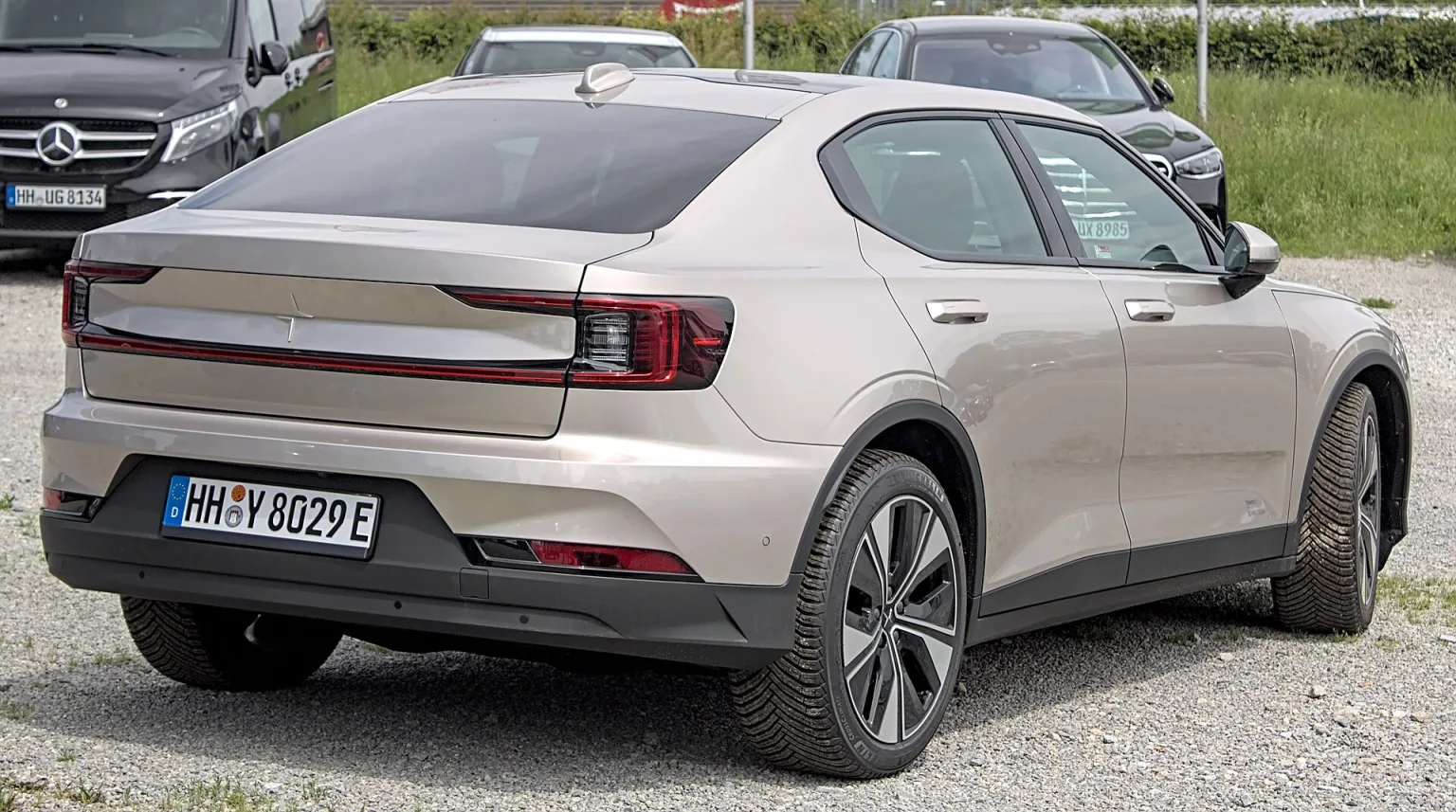
Polestar is preparing to launch the second-generation Polestar 2, which will mark a significant evolution for the brand. The new model is expected to arrive next year and will introduce a fresh platform, updated batteries, and new motors. These changes are part of Polestar’s strategy to position the Polestar 2 as a direct competitor to the BMW i3 and the Mercedes-Benz C-Class Electric, two of the most prominent names in the premium electric vehicle (EV) segment.
Polestar 2: Aiming for Premium Electric Rivals
New Platform and Electrical Architecture
The next-generation Polestar 2 will adopt an 800-volt electrical system, a significant upgrade over the current model’s 400-volt setup. This new architecture is designed to enable much faster charging, bringing the Polestar 2 in line with the latest charging standards found in high-end electric cars. The new platform also marks a shift away from the Volvo-based underpinnings of the current Polestar 2, as Polestar seeks to establish its own identity and better compete with other premium EVs.
The move to a dedicated platform is a notable step for Polestar. The current Polestar 2 shares many components with Volvo models, but the new version will be built on a bespoke architecture. This should allow for improvements in driving dynamics, efficiency, and interior space, although Polestar has not yet released detailed specifications. The company has stated that the new car will incorporate lessons learned from the development of the Polestar 5, which is expected to influence not only the engineering but also the design philosophy of the next Polestar 2.
Design: Inspired by the Polestar 5
Polestar has confirmed that the second-generation Polestar 2 will have a lower and wider stance than the current model. The design will draw heavily from the Polestar 5, reflecting the brand’s latest styling language. This shift is intended to give the Polestar 2 a more upmarket appearance and help it stand out in a growing field of electric saloons. While official images have not been released, the company has indicated that the car’s proportions and details will closely follow those of the Polestar 5, suggesting a sleeker and more dynamic profile.
Interior details remain under wraps, but with a new platform and electrical system, there is potential for significant improvements in both technology and comfort. Buyers can expect updated infotainment systems and possibly more advanced driver assistance features, in line with the latest trends in the premium EV market.
Performance and Range: What We Know
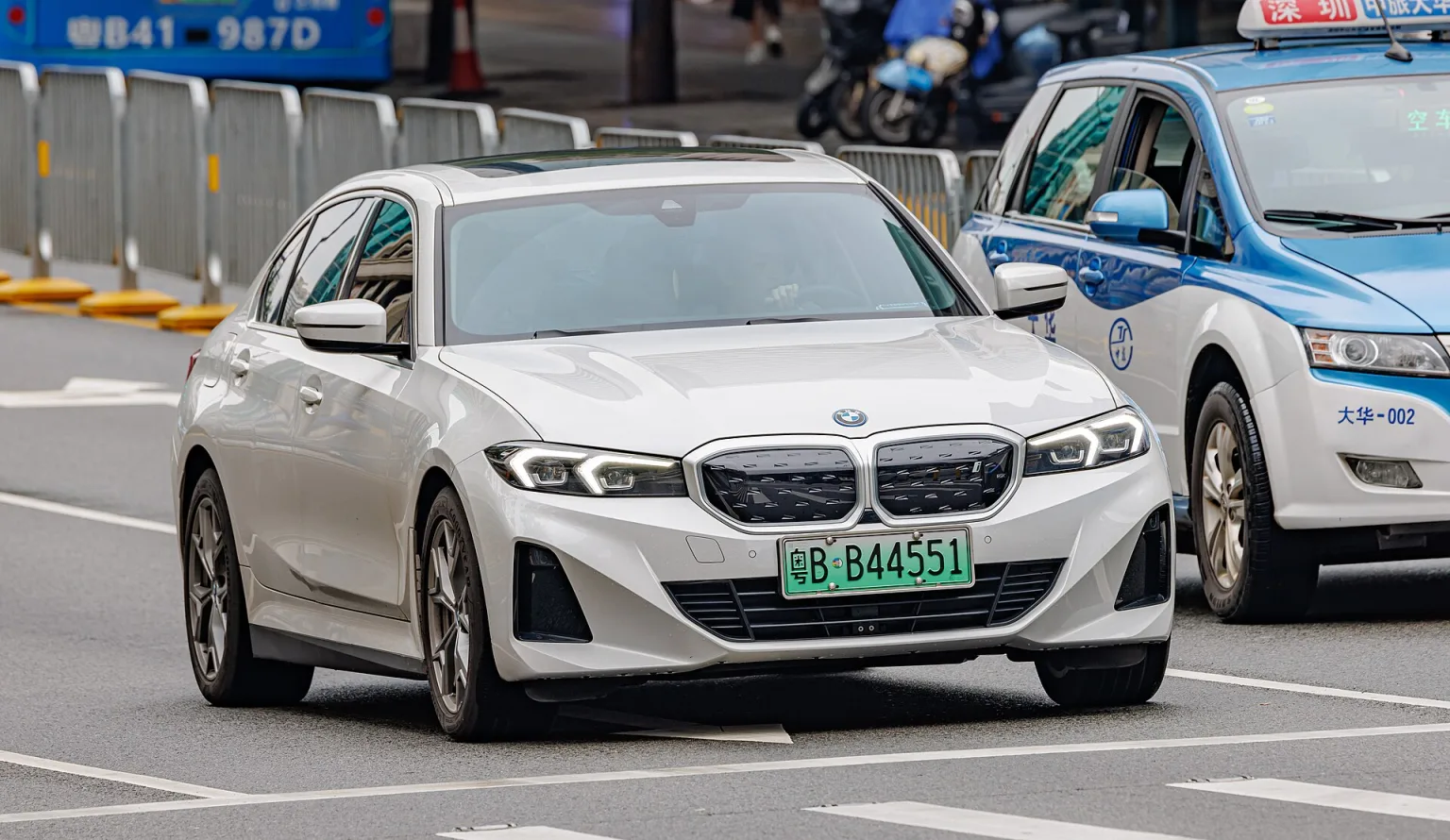
Polestar has not yet released official figures for power output or driving range for the new Polestar 2. However, the adoption of an 800-volt system suggests that the car will be capable of rapid charging, which is increasingly important for buyers in this segment. The BMW i3, one of the Polestar 2’s main targets, is claimed to offer up to 559 miles (900 km) of range on a single charge. While it remains to be seen whether the Polestar 2 will match or exceed this figure, the new platform and battery technology could deliver a substantial improvement over the current model’s range.
The focus on efficiency and charging speed is likely to be a key selling point for the new Polestar 2. As more premium EVs enter the market, buyers are placing greater emphasis on how quickly a car can be recharged and how far it can travel between charges. Polestar’s move to adopt cutting-edge battery and charging technology is a clear response to these demands.
Comparison: Polestar 2 vs BMW i3
| Model | Platform | Electrical Architecture | Maximum Range (claimed) |
|---|---|---|---|
| Polestar 2 (next-gen) | All-new | 800V | TBA |
| BMW i3 (2027) | Dedicated EV | TBA | 559 miles (900 km) |
The next Polestar 2 will be compared against established rivals like the BMW i3 and the Mercedes-Benz C-Class Electric. While detailed specifications for the new Polestar 2 are still pending, the move to a new platform and advanced electrical system is intended to bring it closer to the standards set by its competitors. The BMW i3’s claimed range sets a high benchmark, and it remains to be seen how the Polestar 2 will measure up in real-world conditions.
Market Position and Expectations
Polestar’s decision to launch the second-generation Polestar 2 with significant upgrades reflects the brand’s ambition to compete in the premium electric car segment. By moving to a dedicated platform and adopting the latest battery and charging technology, Polestar is aiming to attract buyers who might otherwise consider established German rivals. The design changes, inspired by the Polestar 5, are also intended to give the car a more distinctive and upmarket appeal.
For current Polestar 2 owners and those considering a switch to electric, the next-generation model promises to offer faster charging, a more modern design, and potentially greater range and performance. These improvements could help Polestar strengthen its position in a market that is becoming increasingly competitive as more automakers launch new electric models.
What’s Next?
Polestar is expected to reveal more details about the second-generation Polestar 2 closer to its launch next year. Specifications for power output, battery capacity, and driving range are all still to be confirmed. Until then, the focus remains on the brand’s commitment to innovation and its goal of challenging established players in the premium EV market.