NHTSA Probes Rust Complaints on Older GM and Ford Vans
US safety regulators have opened investigations into corrosion issues affecting over 80,000 Chevrolet Express, Ford Freestar and Mercury Monterey vans and minivans built in 2003 and 2004.
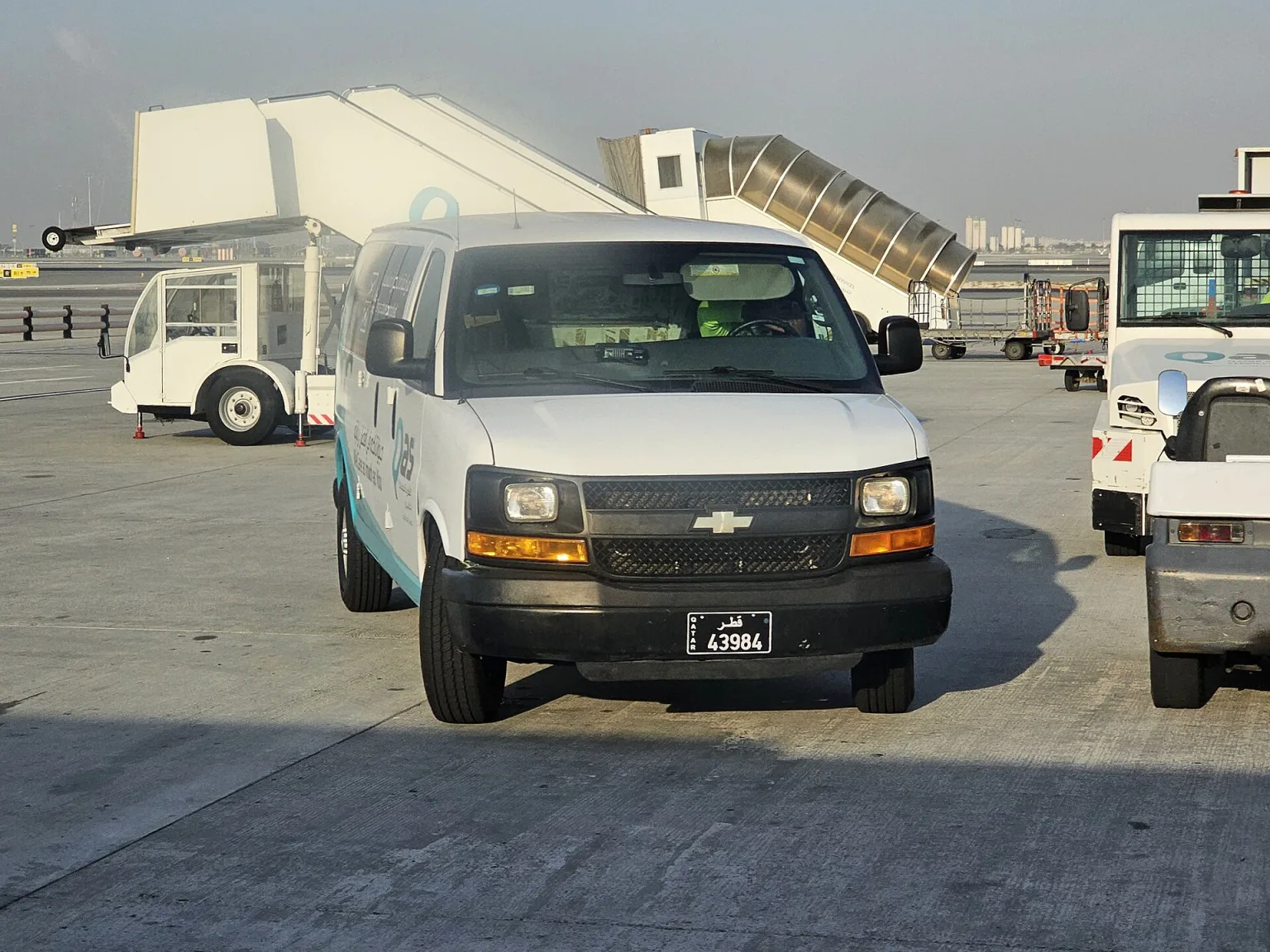
US safety authorities have launched two separate investigations into corrosion problems on older vans and minivans built by General Motors and Ford, following a series of complaints from owners in regions where road salt is commonly used.
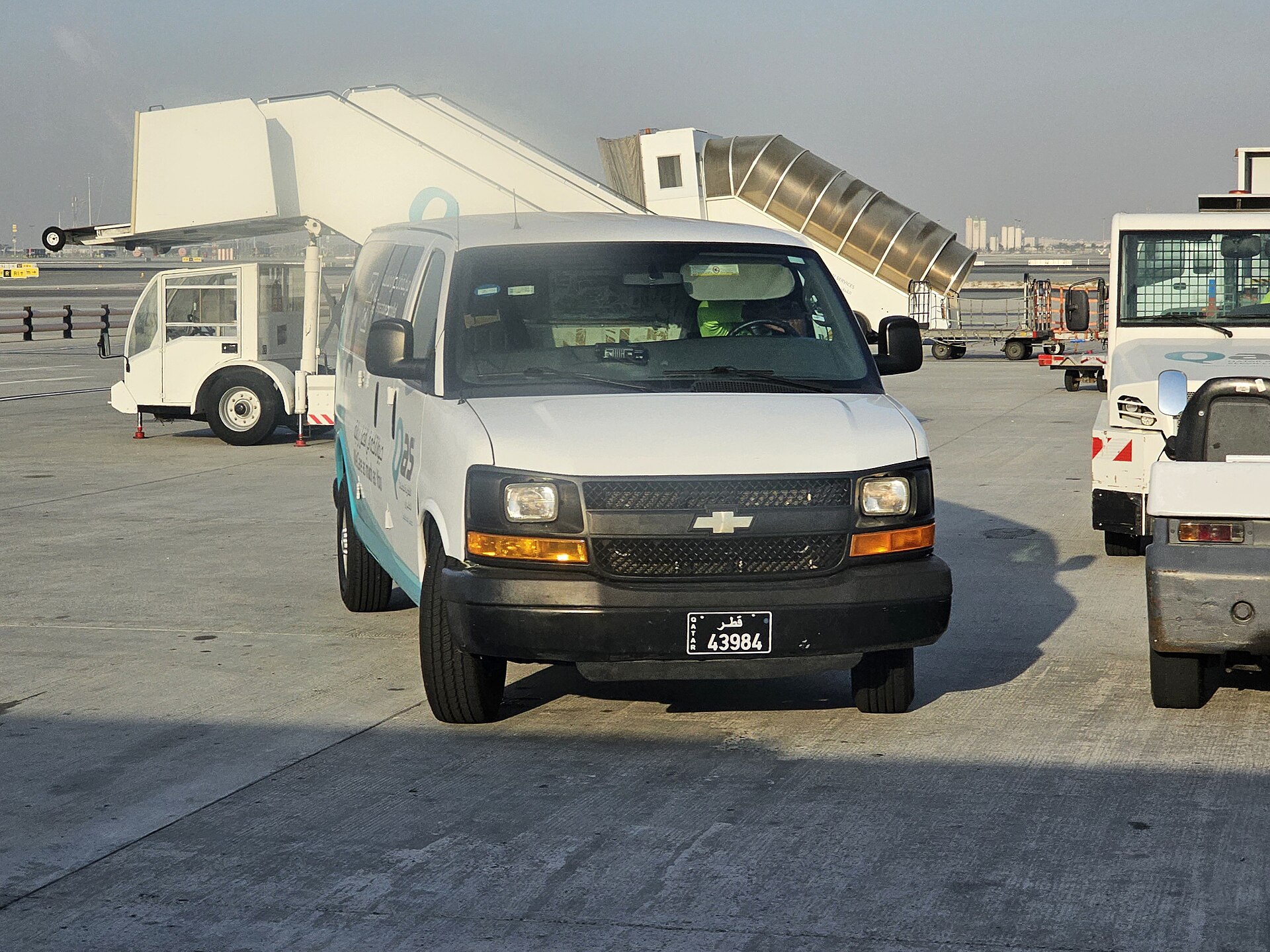
Chevrolet Express: Fuel Leak Risk from Corroded Pipe
The National Highway Traffic Safety Administration (NHTSA) is examining 17,165 units of the 2003 Chevrolet Express after receiving five owner complaints about fuel leaks linked to rusted filler pipes. These complaints originated from states where winter road salt accelerates corrosion. The affected vans are those configured without a left-side passenger door, which forces the fuel filler pipe to run through the rear wheel well, exposing it to road debris and water spray. This design leaves the pipe more vulnerable to rust, raising the risk of fuel leaks.
No accidents or injuries have been reported in connection with these fuel leaks. The NHTSA is focusing on whether the corrosion poses a safety risk that would warrant a recall. GM has previously recalled vans for similar fuel pipe corrosion issues, as covered in ourrecall roundup.
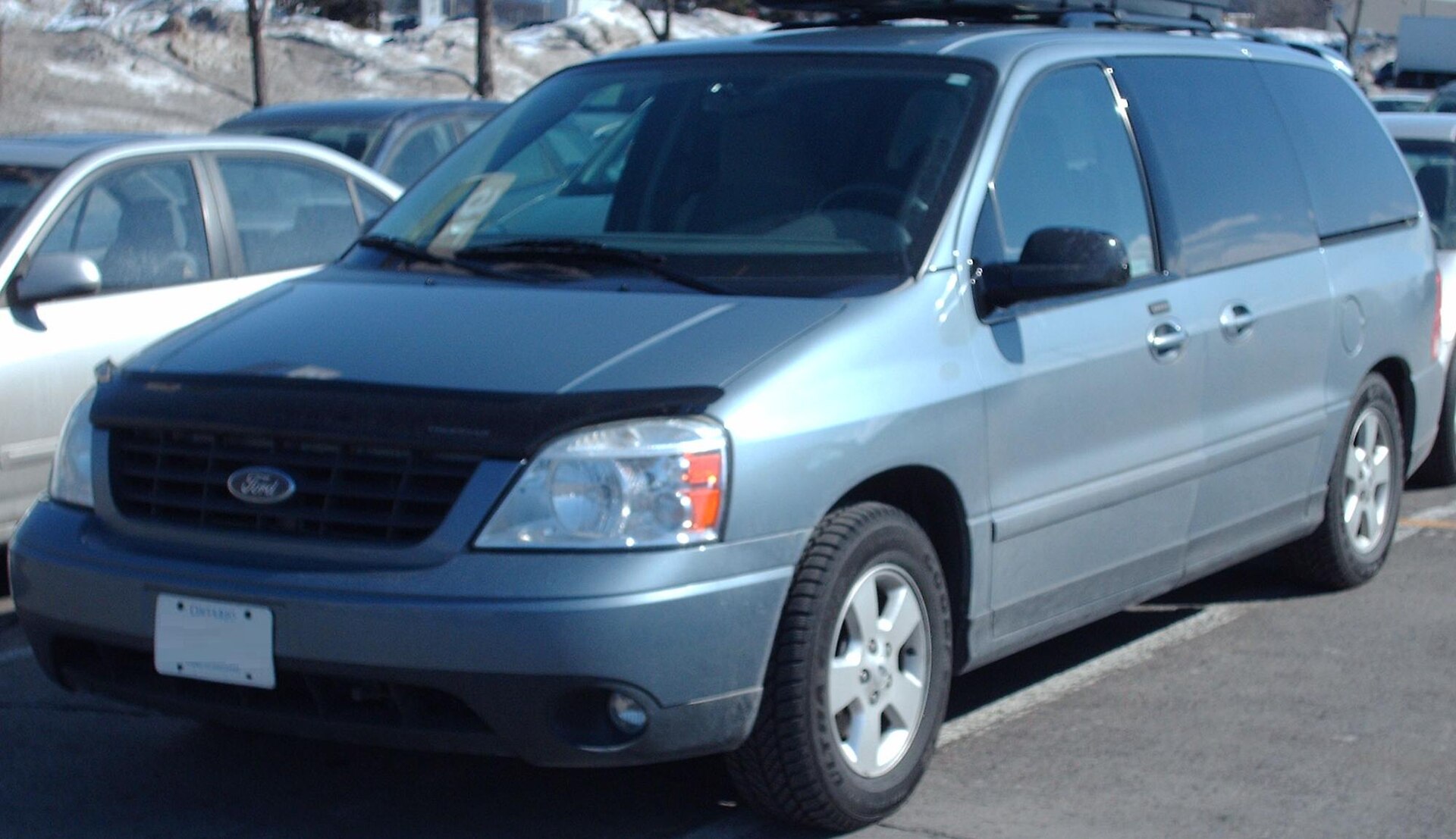
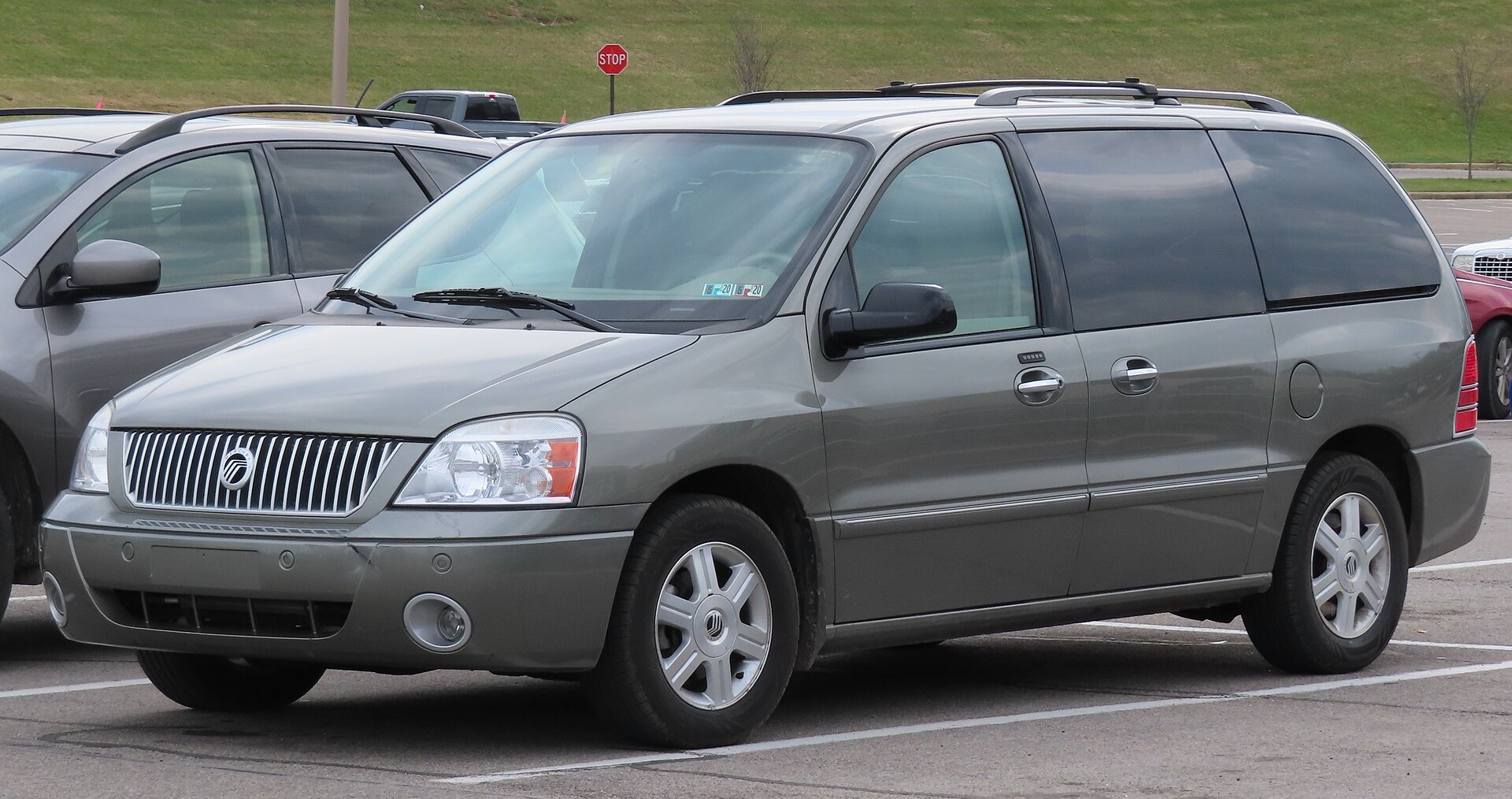
Ford Freestar and Mercury Monterey: Structural Corrosion
A separate investigation covers approximately 63,000 examples of the 2004 Ford Freestar and Mercury Monterey minivans. The NHTSA has received seven complaints of severe rust in the rear wheel wells. In some cases, the corrosion was so extensive that the anchor mount for the rear seat became detached from the vehicle body. All reported cases came from states with heavy use of road salt during winter months.
The agency is assessing whether the rust compromises the structural integrity of the minivans and whether a recall or other corrective action is needed. Ford has not issued a recall for this issue at the time of the investigation.
Focus on Salt-Exposed Regions
Both investigations highlight the increased risk of corrosion in vehicles operated in northern US states, where road salt is used extensively to combat winter ice. The salt accelerates rust on exposed metal components, particularly in wheel wells and underbody areas. Owners of affected vehicles in these regions are more likely to encounter the problems under review.
The NHTSA has not yet announced any mandatory recalls as a result of these investigations. Owners of the affected vans are advised to monitor for signs of rust, especially around the fuel filler pipe and rear wheel wells, and to report any issues to the agency.