US Regulator Proposes Mandatory Noise for Quiet EVs and Hybrids
NHTSA's 2013 proposal would require electric and hybrid vehicles in the US to emit audible sounds at low speeds, aiming to protect pedestrians and cyclists.
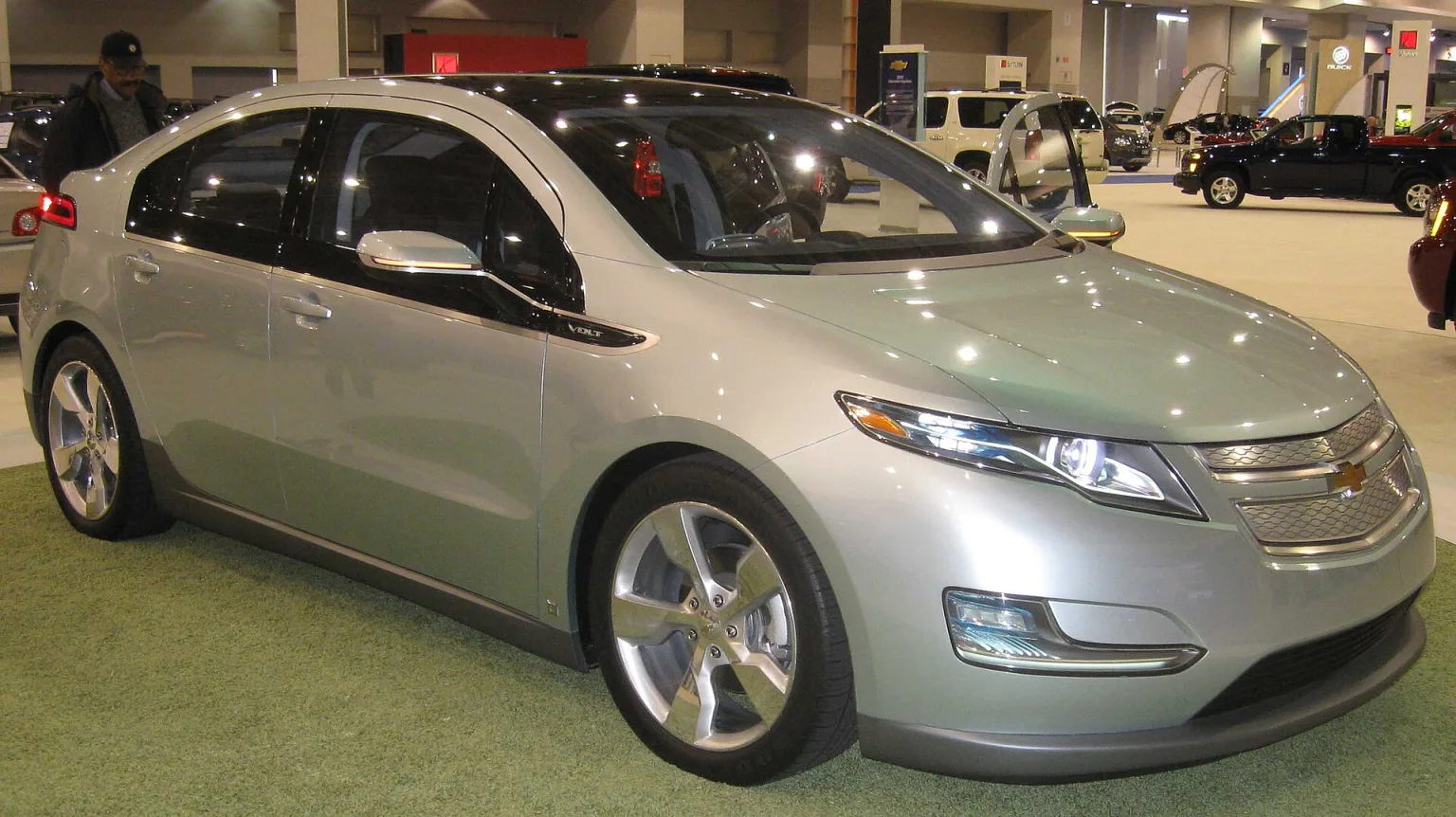
The US National Highway Traffic Safety Administration (NHTSA) has proposed a rule that would require electric and hybrid vehicles to emit artificial sounds at speeds below 18 miles per hour. The move is intended to address safety concerns for pedestrians and cyclists, especially those who are visually impaired, as electric motors are much quieter than conventional engines at low speeds.
NHTSA's proposal, announced in January 2013, would apply to all new electric and hybrid vehicles sold in the United States. The agency said that below 18 mph, the natural noise from tyres and wind is insufficient to alert nearby pedestrians to an approaching vehicle. Above that speed, existing road noise is considered adequate for detection.
How the rule would work
Under the proposed rule, manufacturers would have flexibility to design unique sounds for different makes and models, provided those sounds meet minimum detectability requirements. The sound must be audible under a range of ambient conditions and street noises, and must allow pedestrians to distinguish that a vehicle is approaching. The regulation would not mandate a specific tone or volume, but the sound must be clearly recognisable as a vehicle warning.
The rule aims to balance safety with design freedom, allowing carmakers to differentiate their brands while meeting safety objectives. The NHTSA estimates the rule could save around 35 lives and prevent 2,800 injuries for each model year of hybrid vehicles, based on its own analysis.
Implications for manufacturers and buyers
If adopted, the rule would require manufacturers to fit noisemakers to new electric and hybrid models sold in the US. This could add minor development costs for carmakers, but the flexibility in sound design means brands could use the requirement to reinforce their identity or even create new signature sounds. For buyers, the main change would be an audible warning at low speeds, which could affect the perceived quietness of electric vehicles in urban settings.
Timeline and public input
NHTSA said the proposal would be published in the Federal Register, after which the public would have 60 days to submit comments. The timeline for final implementation would depend on the review of public feedback and the regulatory process. The proposal was part of ongoing efforts to adapt safety regulations to new vehicle technologies, as electric and hybrid vehicles become more common on US roads.
The move follows earlier safety initiatives for hybrids and EVs, including crash testing and battery safety standards. As the market for electric and hybrid vehicles grows, regulators are focusing on adapting rules to address risks unique to these technologies.