Nissan and Enel launch UK's first large-scale vehicle-to-grid trial
Nissan and Enel have begun a UK trial installing 100 vehicle-to-grid units, letting LEAF and e-NV200 owners sell energy back to the National Grid and potentially earn extra income.
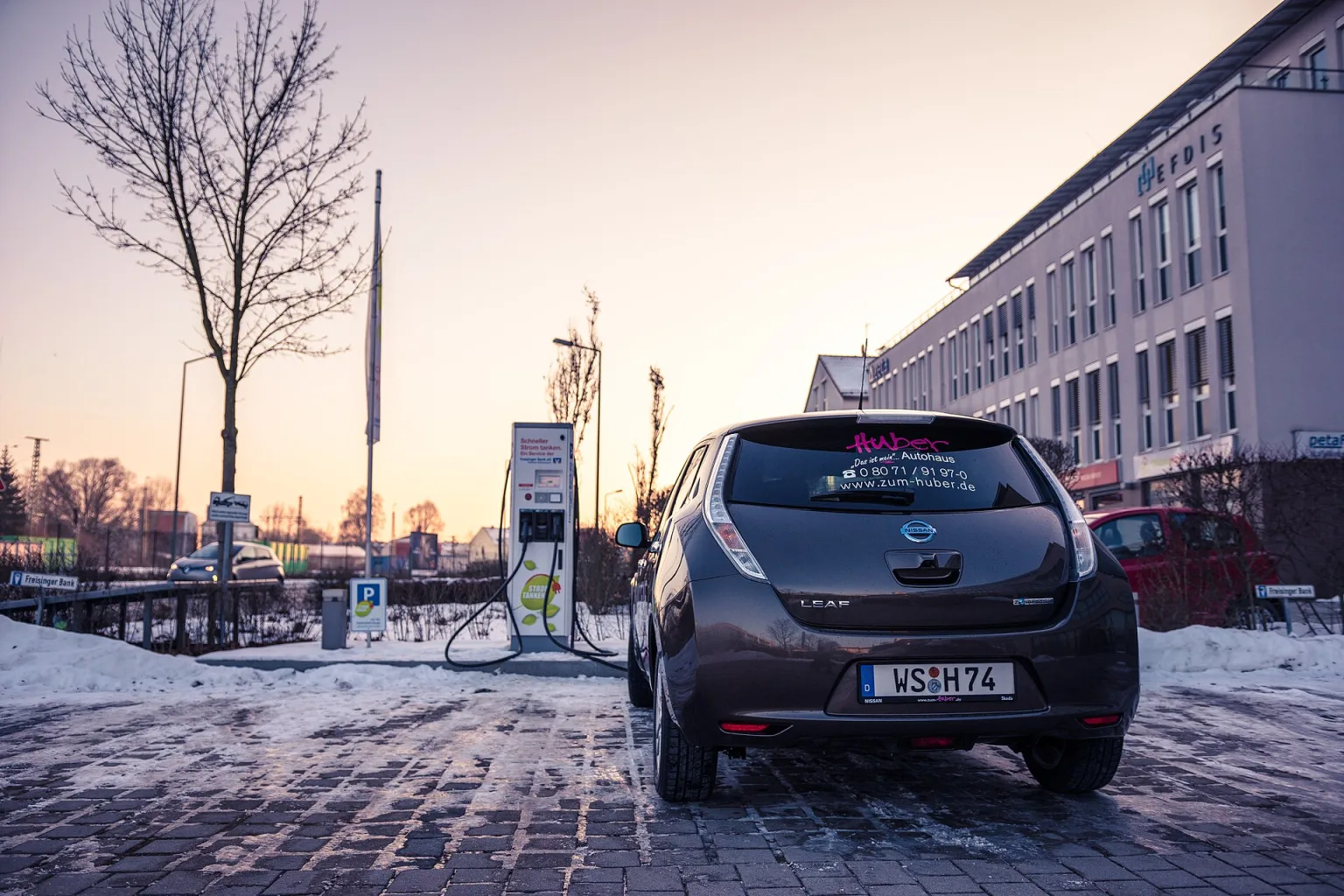
Nissan, in partnership with energy giant Enel, has launched the UK's first major vehicle-to-grid (V2G) trial, installing 100 bi-directional charging units for private and fleet owners of the Nissan LEAF and e-NV200. The scheme, announced in May 2016, enables owners to sell surplus energy stored in their electric vehicle batteries back to the National Grid, turning their cars into mobile energy hubs and offering a new revenue stream for participants.
The trial's V2G units allow users to charge their vehicles during off-peak, low-tariff periods and then either use that energy themselves when prices are higher or feed it back to the grid. This approach is intended to support grid stability, especially as the number of electric vehicles on UK roads increases. For fleet operators and private owners, the system could offset the cost of EV ownership by generating income from selling electricity during peak demand.
Nissan and Enel see this as a first step towards integrating electric vehicles into the wider energy ecosystem, with the aim of making EVs active participants in the energy market. Nissan Europe chairman Paul Willcox described the UK trial as a critical stage in assessing how flexible, distributed energy resources can support national infrastructure. Enel's two-way charging technology is designed to help integrate more renewable energy into the grid by smoothing out fluctuations in supply and demand.
How vehicle-to-grid works and its potential impact
V2G technology lets electric vehicles supply power back to the grid when needed, or store energy when supply is abundant and cheap. According to Nissan, if all 18,000 of its EVs in the UK were connected, they could provide up to 180 MW of power, comparable to a small power station. Looking ahead, if every car on UK roads were electric and V2G-enabled, the total potential could reach 370 GW, enough to power the UK, Germany and France combined.
The system is managed by an aggregator, which coordinates when vehicles charge and discharge to the grid, ensuring that owners' mobility needs are met. Owners can set preferences so their vehicles are always ready for use when required. The flexibility provided by V2G is expected to help the grid cope with the variable output from renewable sources and the growing number of EVs.
Scaling up: from trial to national rollout
Following the initial trial, the UK government announced in January 2018 a £9.8 million investment in a large-scale V2G demonstration project, led by Nissan. This project aims to install 1,000 V2G units, focusing on commercial fleet customers. Partners include Nuvve, National Grid, UK Power Networks, Northern Powergrid, and academic researchers from Newcastle University and Imperial College London. The goal is to gather technical and commercial data to inform future national deployment.
- Nissan (project lead)
- Nuvve (V2G aggregator)
- National Grid
- UK Power Networks
- Northern Powergrid
- Newcastle University
- Imperial College London
The UK government sees V2G as part of a broader £30 million programme to investigate how electric vehicles can interact with the grid, support renewable energy, and provide benefits to both consumers and network operators. The long-term ambition is for nearly all cars on UK roads to be zero-emission by 2050, with V2G technology helping to deliver a smarter, more flexible electricity system.
What it means for owners and the energy sector
For Nissan LEAF and e-NV200 owners, V2G offers the chance to reduce running costs or even earn income by selling power back to the grid. For the energy sector, it means access to a distributed, flexible energy storage resource that could smooth demand peaks, integrate more renewables, and reduce the need for large-scale fossil fuel backup. The aggregator model ensures that drivers' needs are prioritised, preventing unwanted battery depletion.
The trial's outcome will inform how V2G can be rolled out nationally, shaping the infrastructure and commercial models required for mass adoption. As electric vehicle numbers grow, the ability to use them as grid assets could have a profound effect on both the transport and energy sectors.
Nissan's V2G initiative puts the company at the centre of the move towards smarter energy management and positions its EVs as more than just vehicles, but as integral parts of the UK's future energy system.