Nissan to recall over 204,000 vehicles for airbag sensor fix
Nissan notified US regulators it will recall 204,361 vehicles built in 2007 and 2008 due to a faulty passenger airbag sensor that could prevent deployment in a crash.
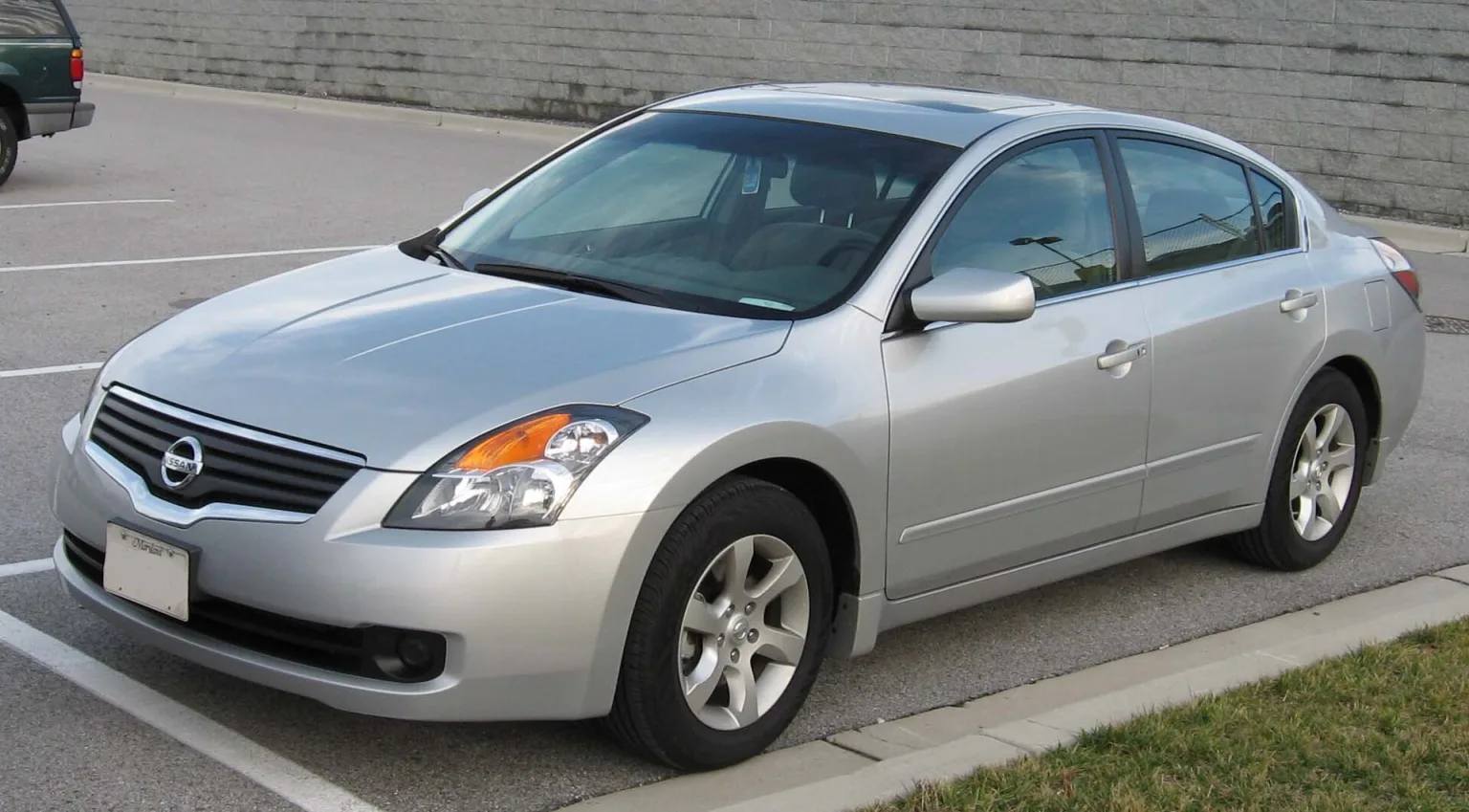
Nissan Motor Co. has announced plans to recall 204,361 vehicles manufactured in 2007 and 2008 due to a fault identified in the passenger-side airbag sensor. The recall was made public in a notice sent to the US National Highway Traffic Safety Administration (NHTSA) on 15 October 2008. The issue affects both Nissan and Infiniti models, with the manufacturer acting after discovering a design flaw that could compromise passenger safety.
Nissan Announces Major Recall Over Airbag Sensor Fault
Details of the Airbag Sensor Issue
The fault centres on the occupant classification sensor for the front passenger airbag. According to Nissan, the sensor may fail to receive the correct signal, which can result in the supplemental airbag warning light flashing and a status light illuminating on the dashboard. If the sensor malfunctions, the passenger airbag may not deploy properly in the event of a collision, increasing the risk of injury to the front passenger.
Models Affected by the Recall
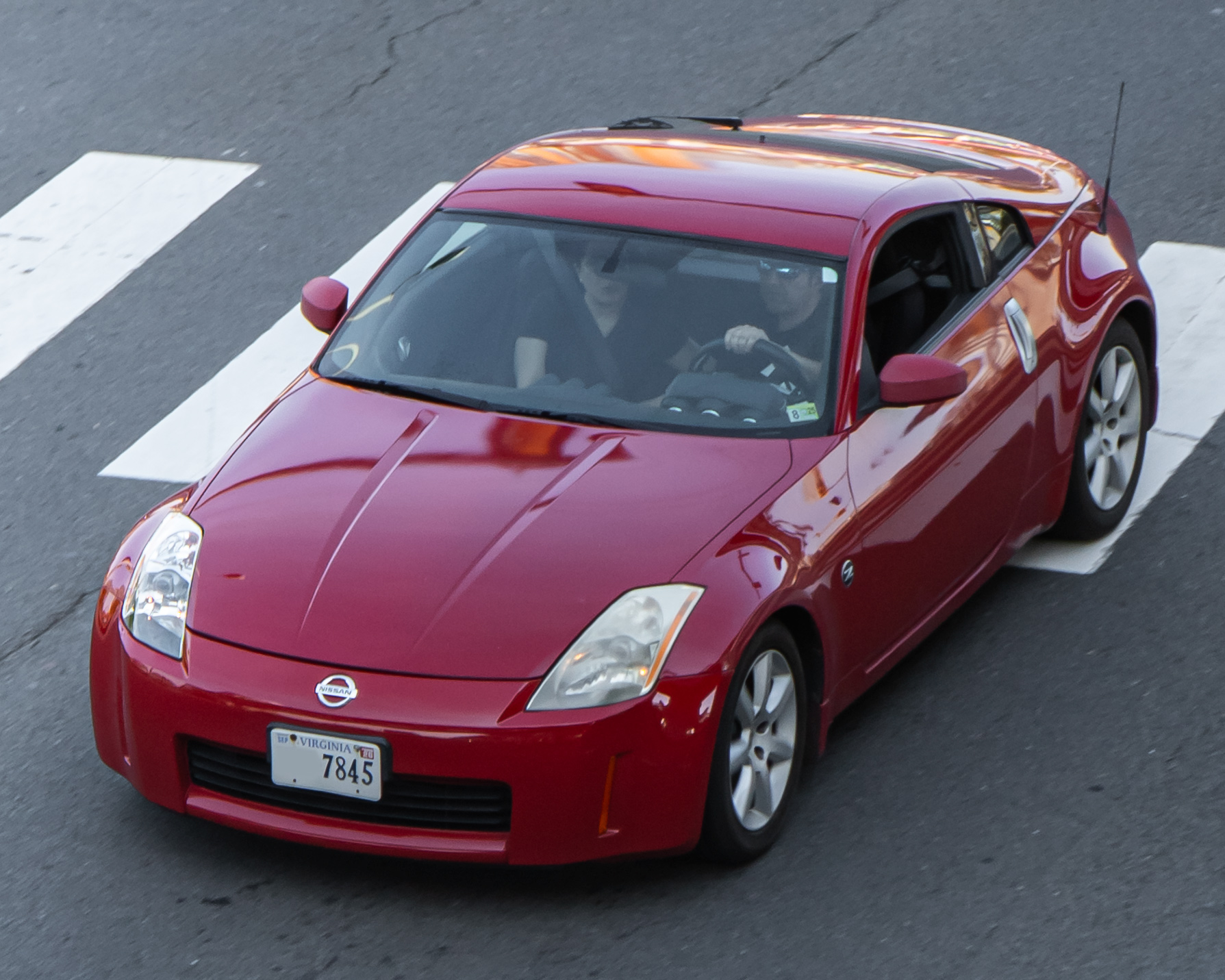
- Nissan 350Z (2007–2008)
- Nissan Altima (including Altima Coupe)
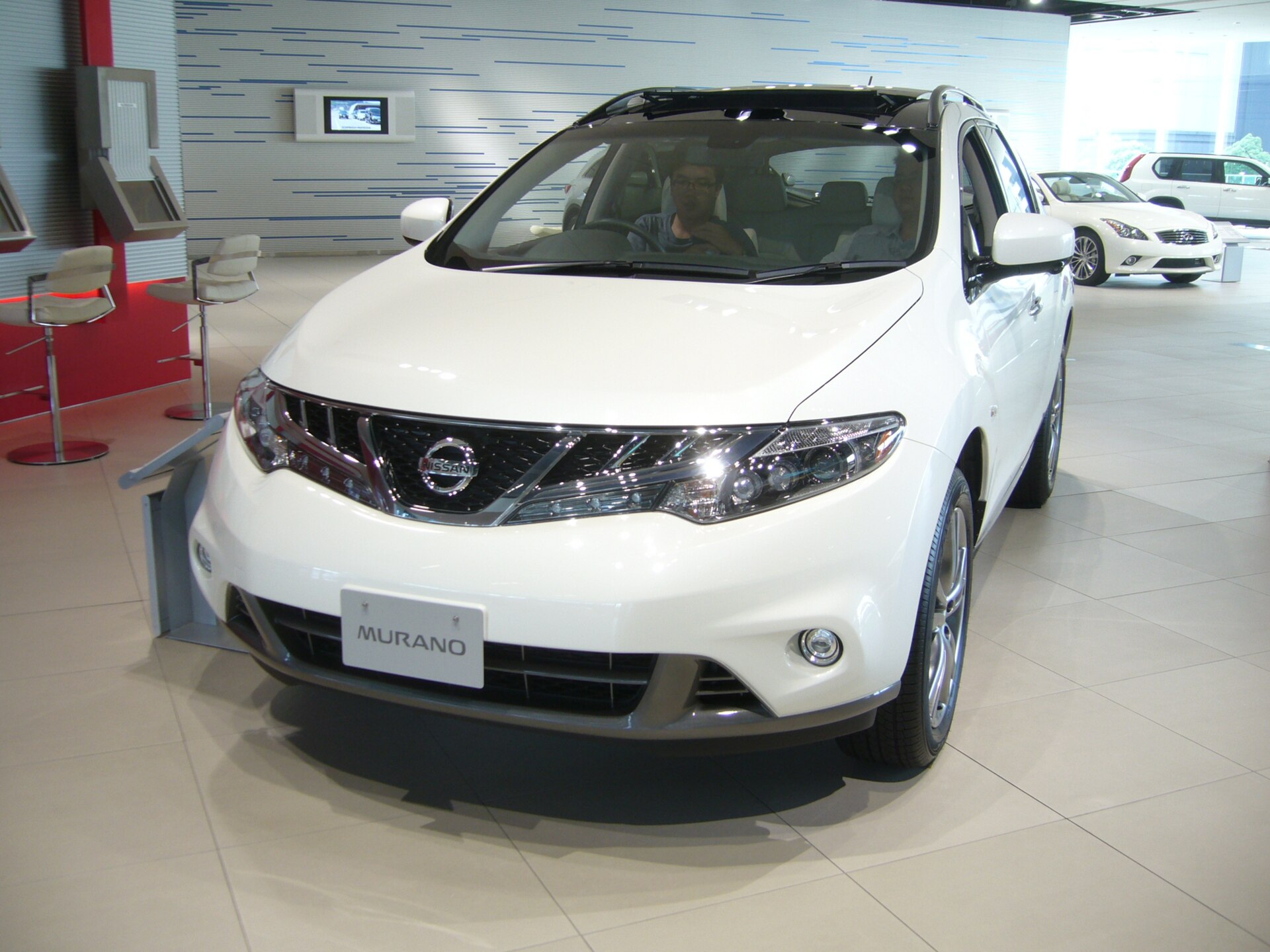
- Nissan Murano
- Nissan Rogue
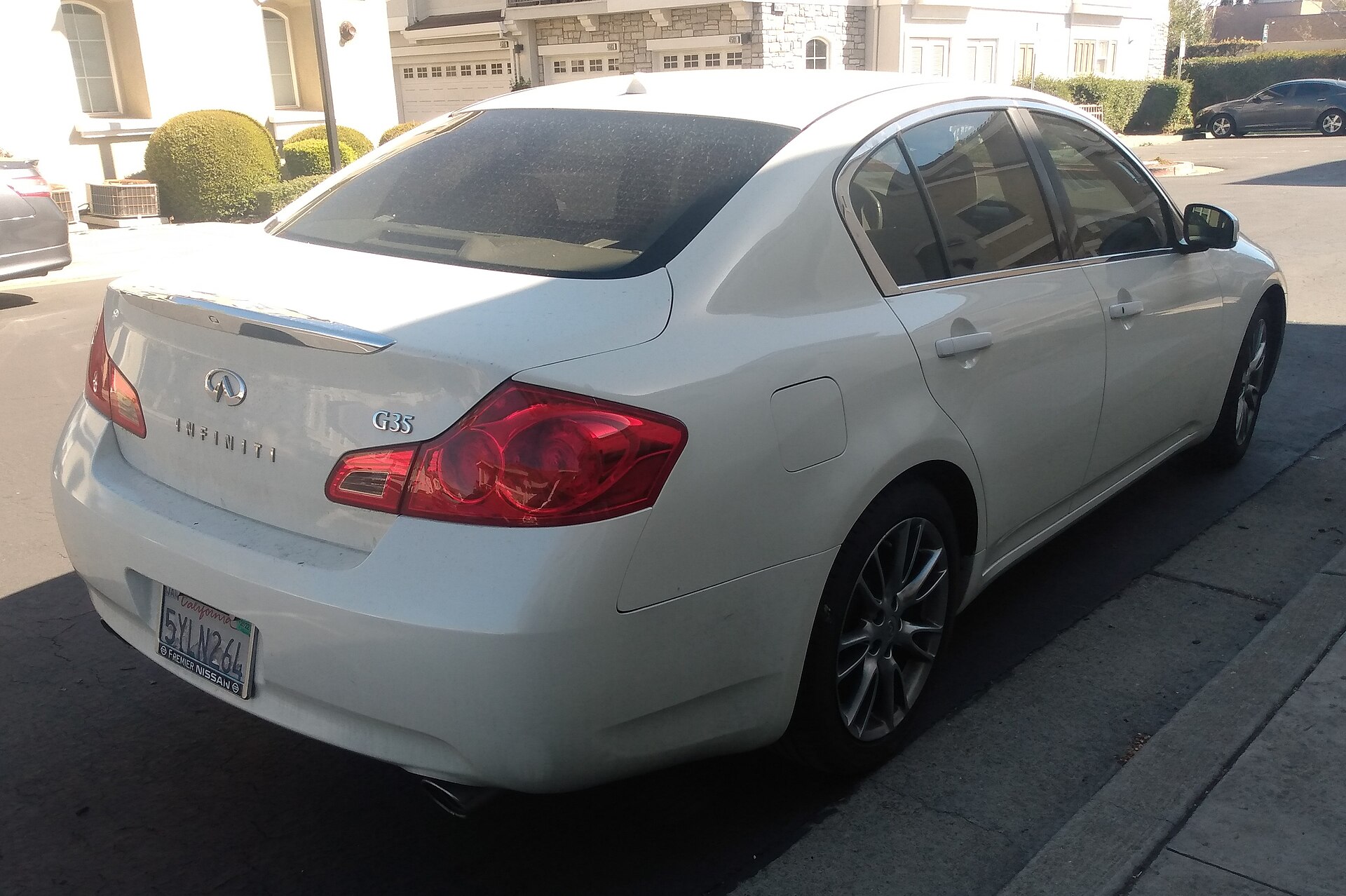
- Infiniti G35 Sedan
- Infiniti G37 Coupe
- Infiniti EX35
These models were all produced for the 2007 and 2008 model years. The recall covers vehicles sold under both the Nissan and Infiniti brands. The affected vehicles were identified after Nissan received multiple warranty reports in November 2007, where owners noted that the airbag warning lamps were flashing. This prompted an internal investigation that led to the discovery of a design issue with the sensor.
How the Problem Was Identified
Nissan began investigating the issue after receiving several warranty claims from vehicle owners who noticed the airbag warning lights flashing. The company determined there was a design flaw in the passenger airbag sensor, which could lead to the sensor not functioning as intended. This discovery led Nissan to initiate the recall to address the risk and ensure customer safety.
Recall Process and Next Steps for Owners
Owners of affected vehicles will be contacted directly by Nissan with instructions on how to proceed. The company will arrange for the faulty sensor to be repaired or replaced at authorised dealerships, free of charge. At the time of the announcement, Nissan had not reported any injuries or accidents related to the defect. The recall demonstrates Nissan’s response to potential safety issues and its cooperation with regulatory authorities to ensure the wellbeing of its customers.
Consequences and Industry Response
Airbag faults can have serious implications for vehicle safety, particularly when sensors prevent airbags from deploying during an accident. Recalls such as this one can affect consumer confidence and may lead to increased scrutiny of similar components in other vehicles. Regulatory agencies like the NHTSA monitor these recalls closely to ensure that manufacturers address safety concerns promptly and transparently.
Nissan’s recall is a reminder of the importance of prompt action when potential safety defects are identified. The company’s willingness to address the problem and notify both authorities and customers is a key part of maintaining trust and safety standards in the automotive industry.