Horner: No Single Incident Drove Red Bull’s 2016 Driver Swap
Christian Horner says Red Bull’s decision to promote Max Verstappen and demote Daniil Kvyat in 2016 was based on long-term performance data and future planning, not just one race.
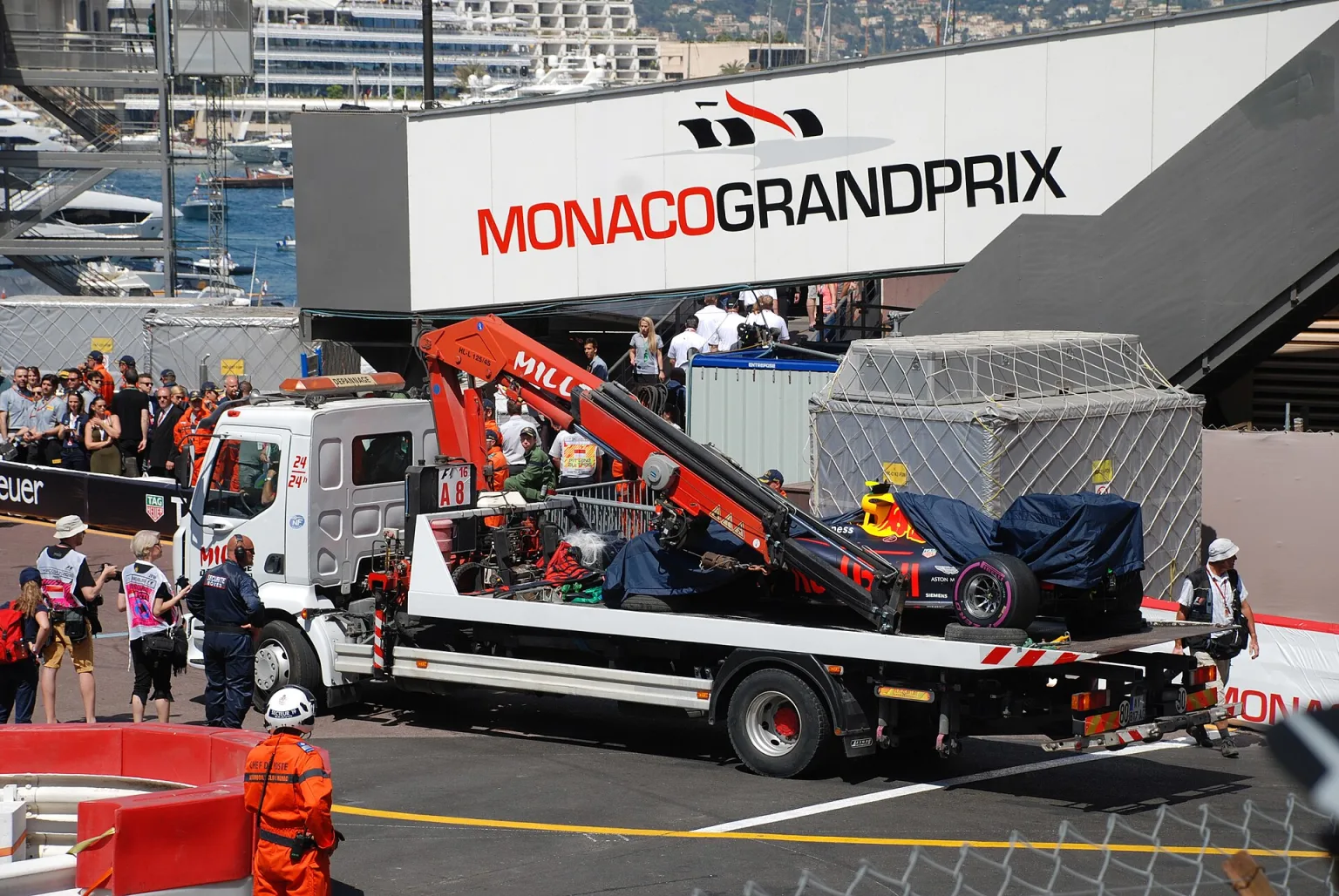
Red Bull Racing’s mid-season driver change in 2016, which saw Max Verstappen promoted to the senior team and Daniil Kvyat moved to Toro Rosso, was not triggered by a single incident but was the result of a broader evaluation of driver performance and future strategy, team principal Christian Horner said at the time.
Red Bull’s evaluation process for 2016
Horner explained that Red Bull’s unique position, running both Red Bull Racing and Toro Rosso, gave the team more flexibility than most in managing its driver line-up. “We have an awful lot of information about the drivers. They come through the junior programme, we see how they develop on the simulator, we analyse their performance in the car, we generate a huge amount of data, knowledge, information, together with other testing that we do with the drivers,” Horner said in July 2016.
According to Horner, Kvyat had been struggling for form compared to team-mate Daniel Ricciardo, with a consistent pattern emerging in the data. The team decided not to wait until later in the season to make a change, instead opting to bring Verstappen into the senior team ahead of the European rounds. This allowed Red Bull to act on its findings promptly and assess both drivers in new environments.
No single race as a catalyst
Speculation at the time suggested Kvyat’s demotion was a direct response to his collisions at the Russian Grand Prix, but Horner dismissed the idea that one Sunday afternoon determined the outcome. “I think the accident in Russia for many people is seen as a catalyst but there’s obviously an awful lot more that is considered than just one Sunday afternoon,” Horner said. The team’s decision factored in long-term performance trends and the opportunity to secure Verstappen’s future amid interest from rival teams.
Implications for the drivers and team
Kvyat admitted he was shocked by the move but remained on the grid, driving for Toro Rosso. Horner emphasised that Red Bull’s continued investment in Kvyat demonstrated ongoing belief in his talent, contrasting with previous drivers who were dropped entirely. Verstappen’s promotion was also tied to a new multi-year contract, ending speculation about his future and shutting down rival approaches.
Horner described the new Ricciardo-Verstappen pairing as potentially one of the strongest for the future, with both drivers’ salaries and contractual conditions unchanged by the swap. The team’s approach highlighted its willingness to make tough decisions early, using its unique structure to optimise its line-up for both immediate results and longer-term objectives.
Red Bull’s outlook for the 2016 season
Earlier in the year, Horner had already predicted a challenging start for Red Bull, expecting the team’s performance to improve in the second half of the season as Renault addressed power unit deficits. With stable regulations and a strong chassis, Red Bull’s management focused on extracting the best from its available talent while preparing for future technical gains.
The mid-season driver switch reflected Red Bull’s data-driven approach and its readiness to act decisively when it saw an opportunity to strengthen its line-up and secure its most promising talent for the years ahead.