Opel Monza Concept previews brand’s future at Frankfurt
Opel has revealed the Monza Concept, a four-seat gullwing show car that signals the company’s next design direction and connectivity ambitions ahead of its 2013 Frankfurt Motor Show debut.
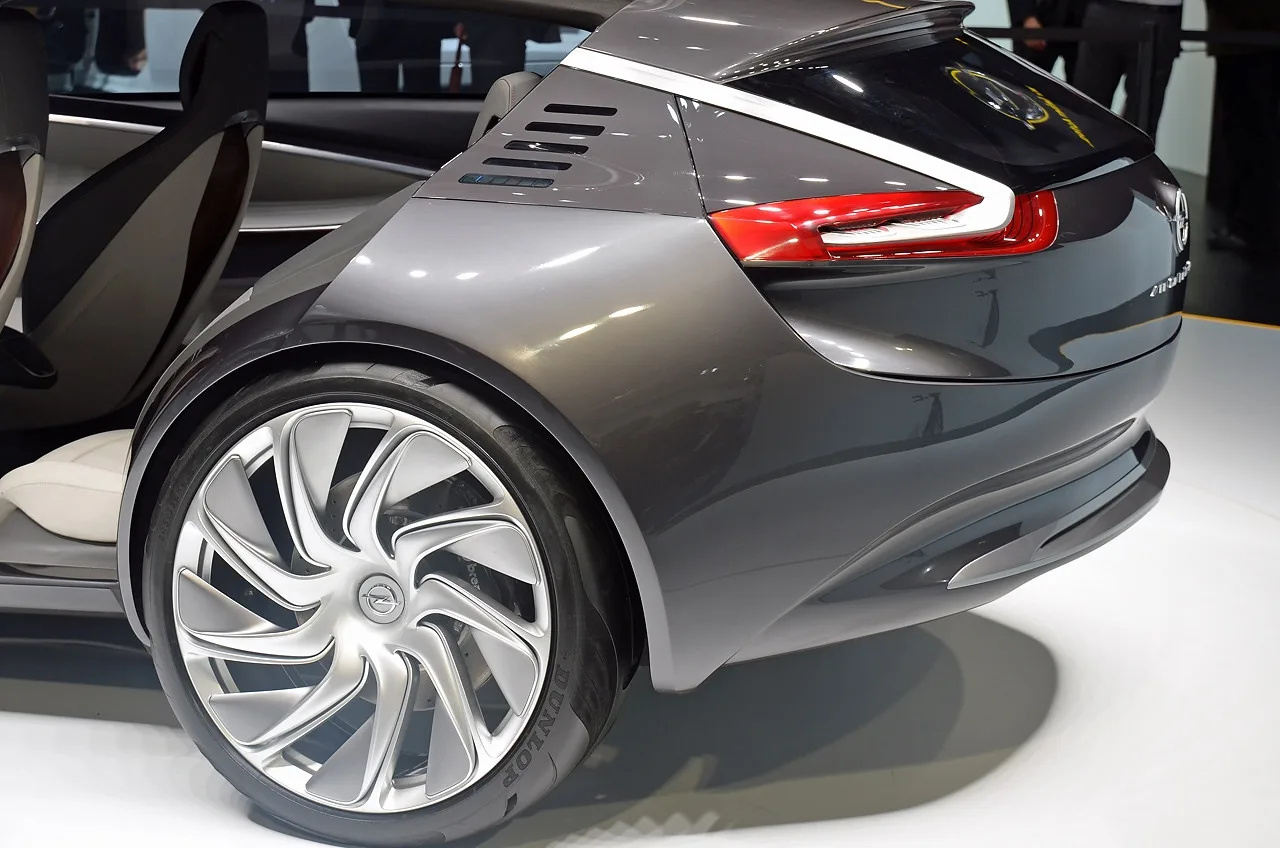
Opel has taken the wraps off the Monza Concept, a dramatic four-seat show car that sets out the company’s design and technology ambitions for the years ahead. The car was officially unveiled in August 2013, ahead of its public debut at the Frankfurt Motor Show in September.
The Monza Concept is intended as a showcase for Opel’s future design language and connectivity strategy. Penned by Mark Adams, Vauxhall’s British chief designer, the car follows the brand’s current style direction that began with the 2008 Insignia but pushes it further with a more sculptural, athletic look. The concept’s proportions are low and wide, measuring 4.69 metres in length and just 1.31 metres in height, giving it a striking presence even among other show cars.
Design and technology highlights
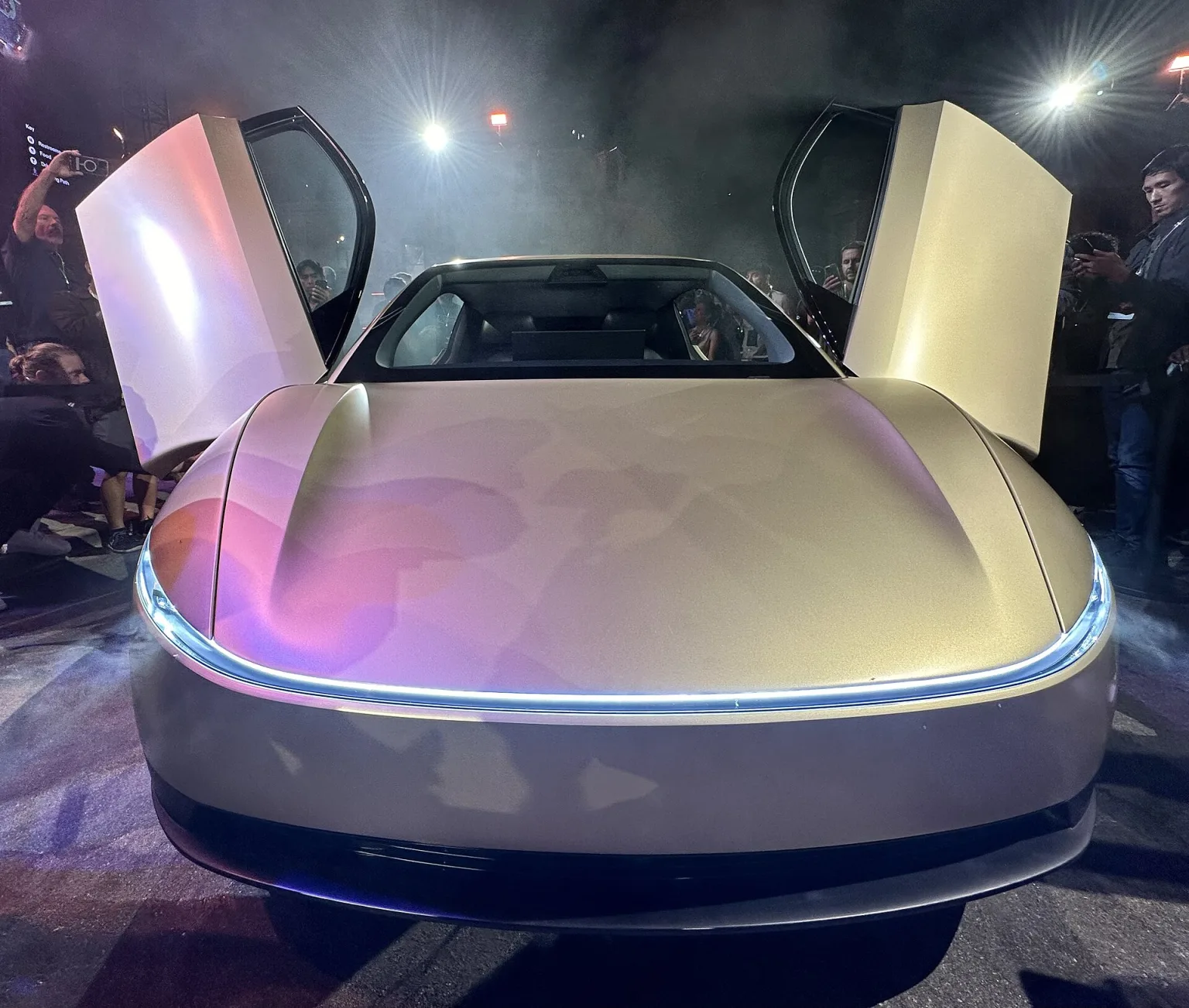
The Monza Concept’s most eye-catching feature is its pair of large gullwing doors. These open wide to reveal a pillarless cabin, allowing easy access to all four seats and creating a sense of openness. The absence of B-pillars not only aids entry and exit but also underlines the concept’s focus on lightweight construction and advanced engineering. Luggage space is a practical 500 litres, unusually generous for a concept of this type.
Inside, the Monza Concept previews a new approach to connectivity and driver information. Opel has said that maximum connectivity and optimum efficiency will be central themes for its next generation of cars, and the Monza is intended to demonstrate these priorities. While exact details of the infotainment system were not released at the unveiling, the focus is clearly on integrating digital technology more deeply into the driving experience.
Powertrain and efficiency focus
Beneath the sculpted bonnet, the Monza Concept features a 1.0-litre SIDI turbocharged petrol engine, adapted to run on natural gas. This choice highlights Opel’s interest in alternative fuels and efficiency, rather than outright performance. The engine is paired with an electric drive system, though detailed technical specifications were not disclosed at the time of the reveal.
Opel’s decision to use a small-displacement, gas-adapted engine in a flagship concept car signals a shift in priorities, with efficiency and environmental considerations taking centre stage. This approach aligns with trends seen elsewhere at the 2013 Frankfurt Motor Show, where several manufacturers focused on alternative powertrains and reduced emissions. For more on concept cars with a similar focus, see theCitroen C4 Cactus Airflow 2L Concept.
Looking ahead to Opel’s next generation
The Monza Concept is not intended for production, but Opel has made clear that its design language and technology themes will influence future models. The show car’s combination of lightweight construction, alternative fuels and digital connectivity sets the tone for the brand’s development priorities. Its public debut at the 2013 Frankfurt Motor Show will be closely watched for signs of how much of the concept will make its way to production vehicles in the coming years.