Peugeot EX1 Concept Marks 200th Anniversary with Electric Speed Records
Peugeot’s EX1 concept, unveiled in 2010 for the marque’s bicentenary, combined radical design with a 250 kW electric drivetrain and set multiple acceleration records.
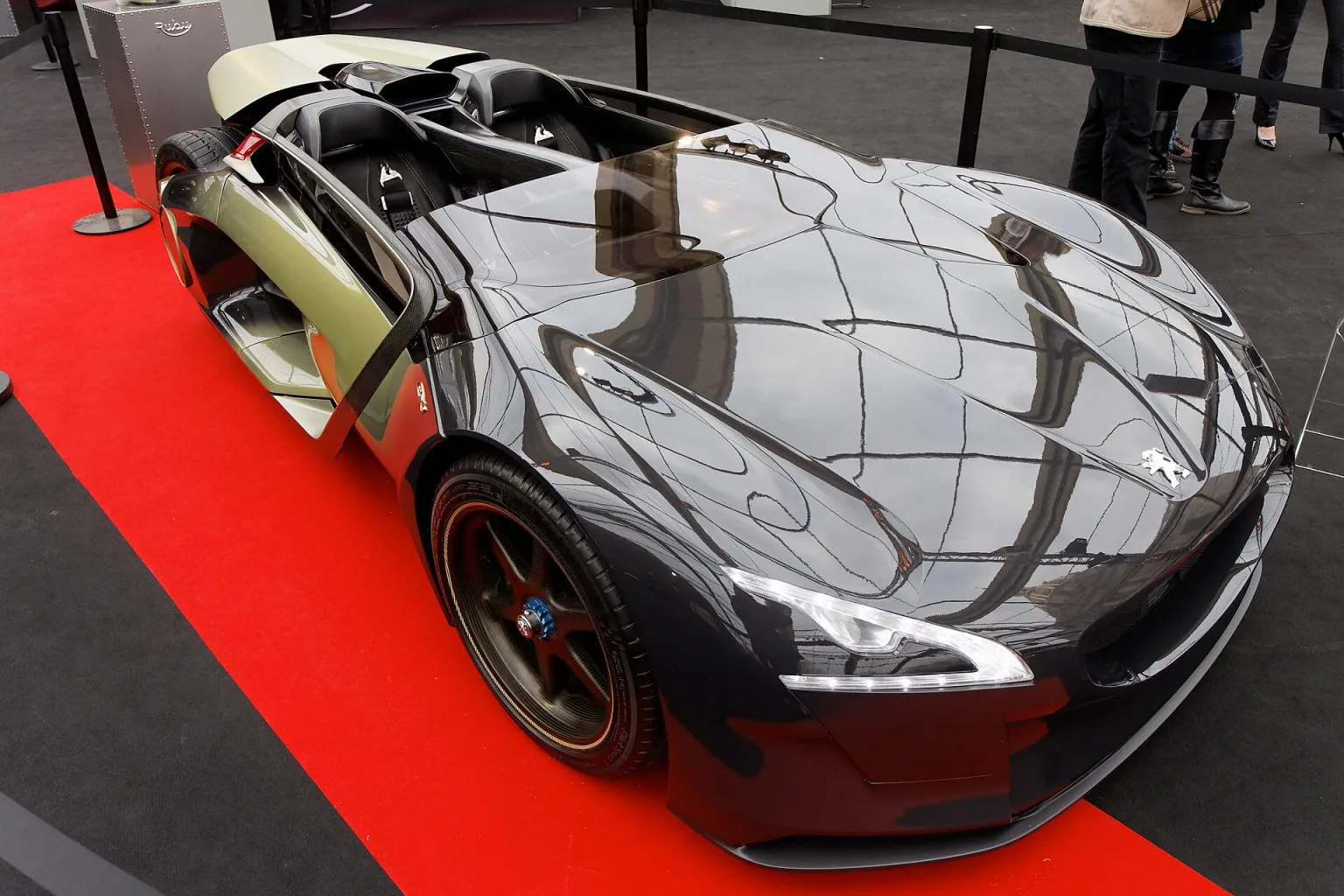
Peugeot marked its 200th anniversary in 2010 by unveiling the EX1, a striking electric concept car that combined radical design with serious performance. The two-seat roadster, conceived as a celebration of the marque’s heritage and future ambitions, quickly made headlines by breaking several acceleration records for electric vehicles.
Technical highlights of the EX1
The EX1’s performance came from a pair of electric motors, each driving an axle, producing a combined output of 250 kW (340 bhp). This four-wheel-drive setup, paired with a carbon/honeycomb composite monocoque, kept weight to a minimum and maximised rigidity. The car’s low profile, just 0.90 metres high, helped lower the centre of gravity and improve aerodynamics, which was crucial for its record attempts.
Suspension engineering was bespoke. At the front, a drop link double wishbone arrangement provided precise control, while the rear used a single swinging arm with a centrally mounted shock absorber and rocker arm for variable damping. This configuration aimed to deliver high levels of grip and stability, even under the rapid acceleration that defined the EX1’s record runs.
Acceleration records and public debut
Shortly after its unveiling, the EX1 set a series of world acceleration records for electric vehicles, including benchmarks from a standing start. Its streamlined shape and ultra-light structure contributed to times that surpassed many expectations for battery-powered cars at the time. Peugeot used these achievements to highlight both its engineering capabilities and its commitment to electric mobility.
- 0-100 km/h: achieved in record time for an electric vehicle (2010).
- Multiple standing-start acceleration records set by the EX1.
- Showcased Peugeot’s electric technology at motor shows and demonstration events.
Design and construction
The EX1’s architecture was as unconventional as its drivetrain. The car’s body was built from a carbon/honeycomb composite, integrating mounting points for all mechanical components. Its dimensions, 1.77 metres wide and less than a metre high, gave it a dramatic stance and helped with both aerodynamics and handling. The open cockpit and futuristic styling were intended to signal Peugeot’s vision for the future, not just in terms of powertrains but also design language.
Legacy and influence
While the EX1 remained a concept, its technology and design themes fed into Peugeot’s future electric and hybrid development. The car’s public demonstration of electric performance contributed to shifting perceptions of battery-powered vehicles and underlined Peugeot’s intent to compete in the growing EV market. Its record runs in 2010 remain a reference point for the brand’s electric ambitions.