PSA to Separate Peugeot and Citroën Brand Strategies
PSA will reposition Peugeot as a semi-premium brand and push mainstream Citroën models downmarket, while expanding the DS line at the top of its range.
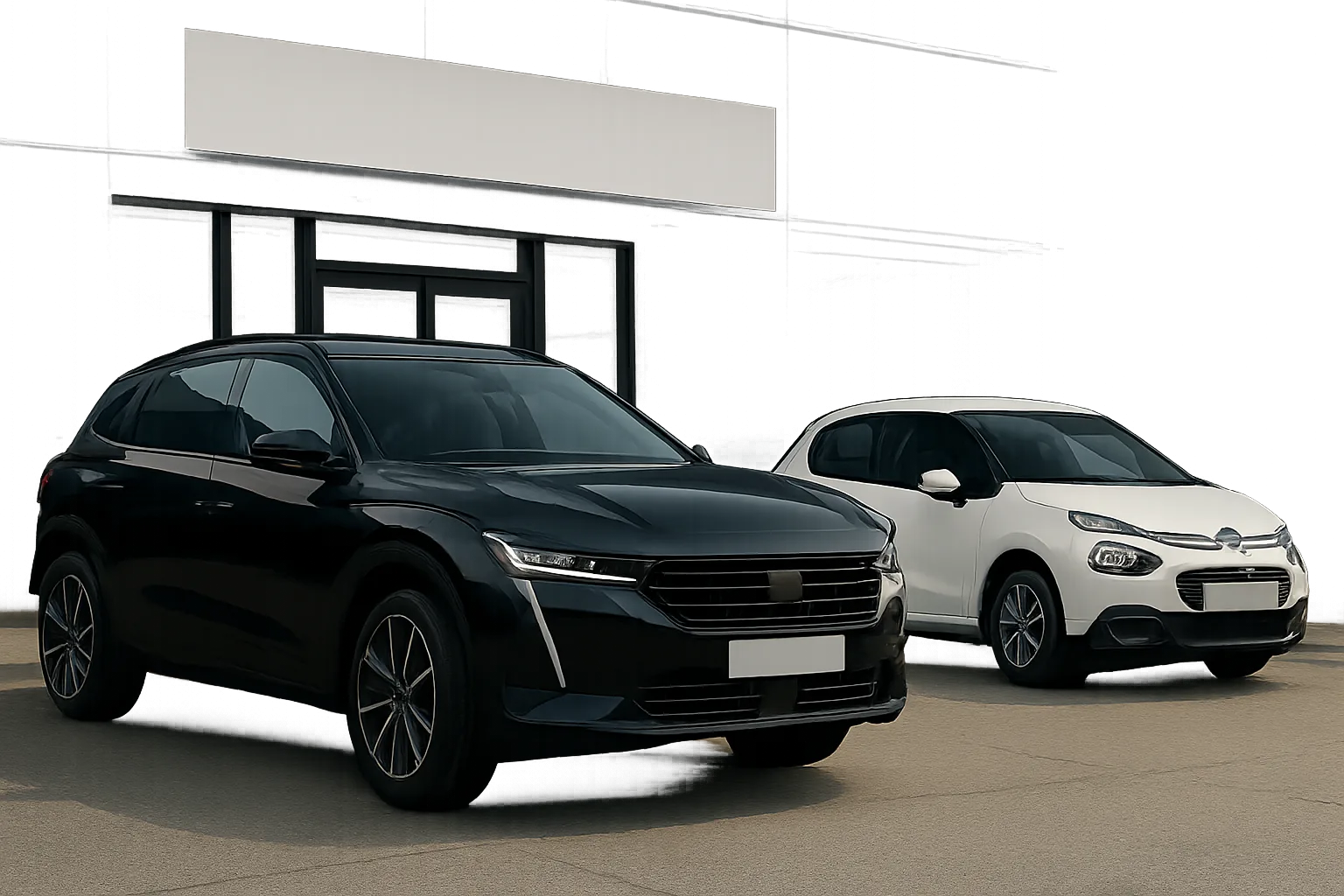
PSA Peugeot Citroën will overhaul its brand strategy in Europe, moving Peugeot upmarket while repositioning mainstream Citroën models to target more cost-conscious buyers. The change, announced in March 2013, responds to years of internal competition between the two marques and persistent financial pressure in the European market.
PSA’s leadership acknowledged that Peugeot and Citroën had been positioned too closely, with overlapping models often competing for the same customers. This internal rivalry diluted sales and made it harder for the group to gain ground against rivals like Volkswagen. By separating the brands more clearly, PSA hopes to attract distinct customer bases and improve margins.
How PSA will split its brands
The new structure divides PSA’s portfolio into three clear tiers. At the entry level, Citroën’s C-line models, from the C1 city car to the C5, will be priced more aggressively. These cars will prioritise value and cost of ownership, with less emphasis on the latest technology or high-output engines. PSA intends these models to appeal to buyers seeking affordable, functional transport rather than advanced features.
Peugeot, meanwhile, will move upmarket into the so-called semi-premium segment. The aim is to challenge brands like Volkswagen by offering more technology, higher perceived quality and a stronger brand image. Models such as the 208 GTi and the 2008 crossover were cited as early examples of this push. Pricing will rise accordingly, reflecting the added content and ambition.
At the top of the PSA range sits the Citroën DS line, which will remain the group’s most premium offering. DS models will feature the most advanced technology and highest-tuned engines PSA can offer. The company plans to expand the DS range, using it as a halo to draw attention to both Citroën and Peugeot’s more affordable models.
Implications for buyers and dealers
For buyers, the changes mean a clearer distinction between PSA’s brands. Those seeking affordable motoring will find Citroën’s mainstream models more accessible, though with fewer high-end features. Peugeot buyers can expect higher prices but also more equipment and a stronger focus on perceived quality. DS customers will see further differentiation as new models arrive at the top end.
Dealers handling both marques, especially in markets where the brands share showrooms, will need to adapt their sales approach. The new structure could simplify product positioning but may also require retraining and revised marketing. How quickly the changes filter through to local markets will depend on PSA’s rollout and the response from franchise partners.
Context: PSA’s struggle in Europe
The decision comes after PSA’s CEO, Philippe Varin, admitted the brands were “too close” and that the group had lost ground to rivals. The move is part of a broader effort to stem losses and regain competitiveness. PSA’s strategy follows similar moves by other European manufacturers to clarify brand roles and reduce internal overlap.
Citroën executives stressed that the brand will not become purely budget-focused. Instead, the aim is a “premium low-cost” approach, as seen in models like the C-Elysée, designed for emerging markets. Peugeot will target customers who value tradition and quality but are not necessarily seeking luxury. The DS line will concentrate on premium buyers, particularly in markets where PSA sees growth potential.
The effectiveness of PSA’s new strategy will depend on execution and market reception. For now, the group has set out a plan to reduce internal competition and give each brand a clearer identity.