Ralf Schumacher backs brother Michael over Vettel pass at Interlagos
Ralf Schumacher has defended Michael Schumacher’s decision to let Sebastian Vettel through without resistance during the 2012 Brazilian Grand Prix, as Vettel fought for the world title.
The 2012 Formula One season reached its dramatic conclusion at the Brazilian Grand Prix in Interlagos. Sebastian Vettel and Fernando Alonso entered the race as the main contenders for the drivers’ championship. Vettel, driving for Red Bull, held a narrow lead in the standings over Alonso, who was racing for Ferrari. Every point was crucial, and the outcome of the championship was uncertain until the chequered flag.
Background to the 2012 Brazilian Grand Prix
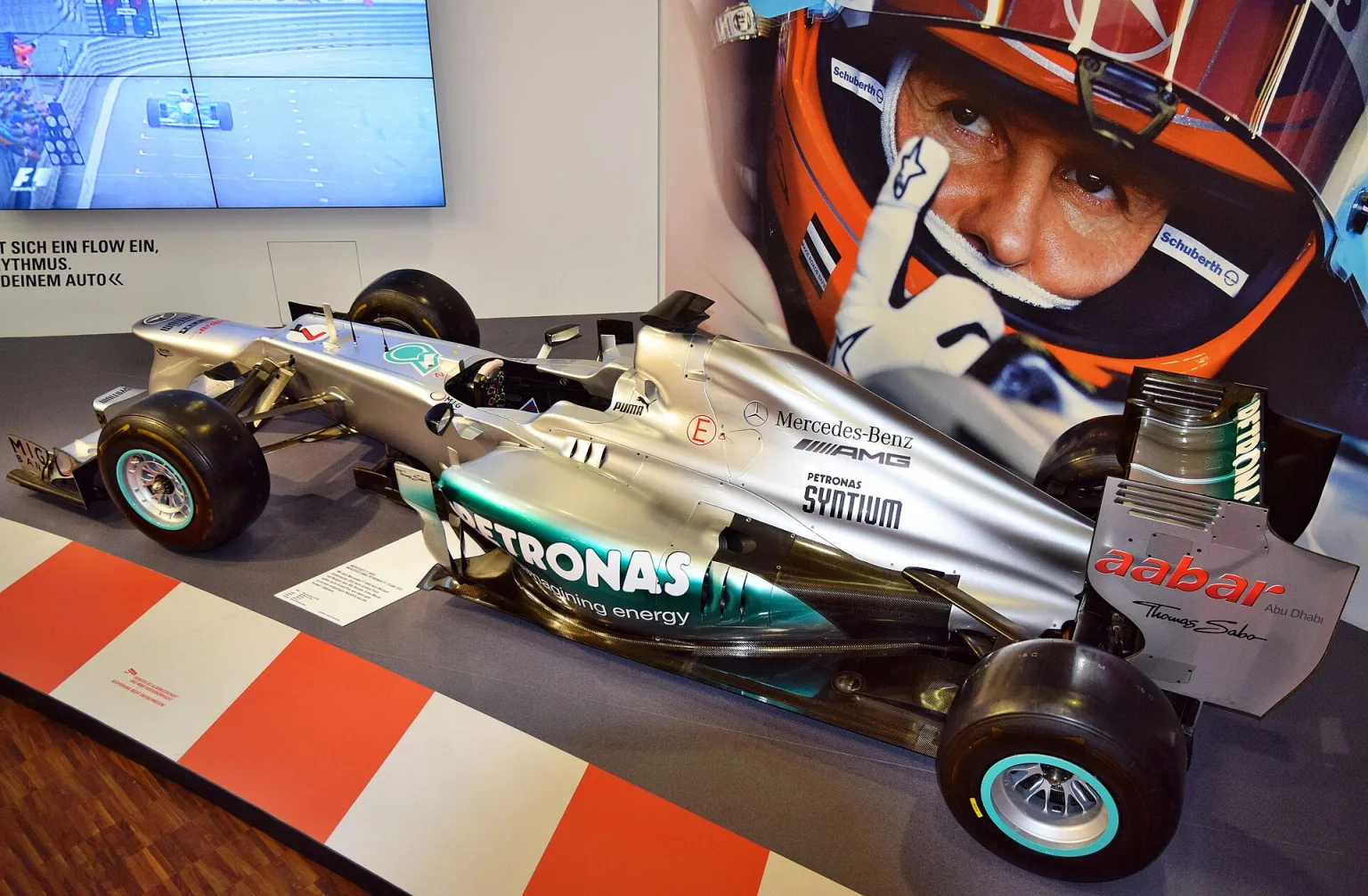
Michael Schumacher, a seven-time world champion and one of the sport’s most celebrated drivers, was competing in what would be his final Formula One race. He was driving for Mercedes, and although not in contention for the championship himself, his presence on the track had the potential to influence the title fight. Schumacher had previously been a fierce rival of Alonso, especially during their battles for the championship in the mid-2000s.
The Controversial Overtake
During the race, Vettel found himself needing to recover positions after an early incident. As he worked his way back up the order, he encountered Michael Schumacher on track. Rather than defending his position, Schumacher allowed Vettel to pass without resistance. This move attracted attention because it occurred while Vettel was fighting Alonso for the championship, and Schumacher’s decision could have affected the title outcome.
Some observers questioned whether Schumacher should have made Vettel’s progress more difficult, given his own history with Alonso. However, others saw the move as a pragmatic decision, considering the pace difference and the risks involved in fighting a faster car during such a high-stakes race.
Ralf Schumacher’s Defence
Ralf Schumacher, a former Formula One driver and Michael’s younger brother, publicly defended the decision. Speaking to German broadcaster ZDF, Ralf explained that Michael recognised Vettel was faster at that stage of the race and chose not to interfere with the championship battle. He characterised this as the behaviour of a fair sportsman, especially in a situation where one driver has a clear speed advantage and the title is on the line.
Ralf’s comments highlighted the importance of fairness and respect among drivers, particularly when a championship is at stake. He noted that increasing the risk for Vettel would not have been in the spirit of sportsmanship, especially as Vettel was not only a fellow German but also a friend.
Team Tactics and Formula One Realities
The incident also prompted discussion about the broader realities of Formula One. Jaime Alguersuari, a former Toro Rosso driver and Pirelli test driver in 2012, commented that moments like these are part of the sport. He pointed out that Formula One is shaped not only by the drivers’ actions on track but also by engineering, political interests and financial considerations.
Alguersuari suggested that drivers sometimes find themselves in a position to help or hinder title rivals, depending on the circumstances and their team allegiances. He noted that he would have liked to be in a position to help Alonso if the roles were reversed, emphasising that such dynamics are intrinsic to the sport.
This perspective underlines that Formula One is not only a contest of speed and skill but also a complex environment where alliances, nationality and team interests can influence outcomes. Schumacher’s move was seen as an example of how drivers sometimes make decisions that reflect both sporting fairness and the realities of the championship context.
Aftermath and Championship Outcome
Sebastian Vettel ultimately finished sixth in Brazil, which was enough for him to secure his third consecutive world championship by a margin of three points over Alonso. Alonso finished second in the race, but the points gap remained just out of reach. Schumacher’s decision to let Vettel past was one of several moments that shaped the final outcome of the season.
For Michael Schumacher, the Brazilian Grand Prix marked the end of his illustrious Formula One career. His choice not to impede Vettel was interpreted by some as a gesture of respect for both the championship battle and the sport itself. Meanwhile, the incident remains a talking point among fans and commentators, illustrating how individual decisions can have lasting significance in the history of Formula One.
Summary of Perspectives
- Ralf Schumacher saw Michael’s move as fair and justified, based on Vettel’s pace and the circumstances.
- Some critics believed Michael should have raced Vettel harder, considering his history with Alonso.
- Jaime Alguersuari highlighted the political and tactical aspects of Formula One, suggesting that such moments are part of the sport’s fabric.
- The incident reflects the complex interplay of sporting ethics, personal relationships and team interests that shape Formula One outcomes.