Dongfeng Honda to Recall Over 400,000 CR-Vs in China for Shock Absorber Defect
Dongfeng Honda will recall 408,069 CR-V SUVs built between March 2010 and August 2012 in China to address a potential piston rod fault in the shock absorbers.
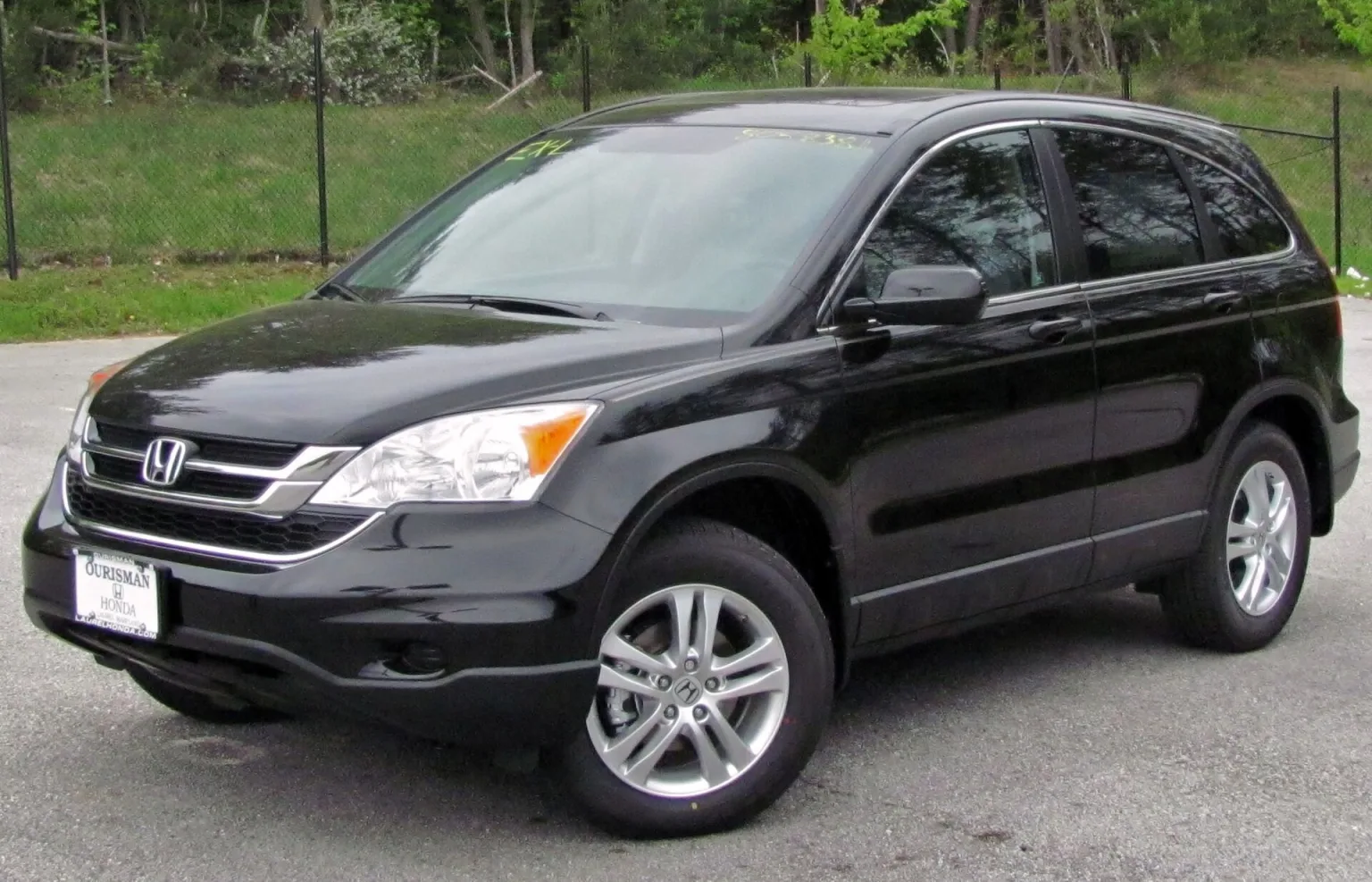
Dongfeng Honda Automobile, the joint venture between Honda Motor Co and Dongfeng Motor Group, has announced a recall of 408,069 CR-V sport utility vehicles in China. The recall comes after China’s General Administration of Quality Supervision, Inspection and Quarantine (AQSIQ) identified a potential defect involving the piston rods in the vehicles’ shock absorbers. According to the official statement, the affected CR-Vs were produced between 2 March 2010 and 30 August 2012.
Overview of the Dongfeng Honda Recall
The quality watchdog stated that the piston rods in the shock absorbers may fracture. If this fault occurs, it can compromise ride comfort and vehicle stability, raising significant safety concerns for both drivers and passengers. Following the regulator’s announcement, Dongfeng Honda confirmed its decision to proceed with the recall, underlining the seriousness of the issue and the company’s response to regulatory oversight.
Details of the Recall and Affected Vehicles
The recall specifically targets CR-V SUVs assembled by Dongfeng Honda during a 29-month production window. No other Honda models or production periods are mentioned in the recall notice. Owners of the affected vehicles will be notified by Dongfeng Honda and will be able to arrange for repairs at authorised dealerships throughout China. These repairs are expected to involve the replacement of the defective shock absorber components at no cost to the owners.
Honda’s CR-V is a key model in the Chinese market, and this recall represents a significant aftersales operation for the joint venture. While the company has not disclosed the estimated cost of the repairs or the time required to complete the campaign across its dealer network, the large number of vehicles involved suggests a substantial logistical challenge. The recall is likely to require considerable coordination between Dongfeng Honda, its dealerships, and the affected customers to ensure timely and effective repairs.
Recent Recalls by Other Foreign Carmakers in China
The Dongfeng Honda recall is part of a broader trend of increased regulatory scrutiny and safety-related recalls in China. Over the past month, several foreign carmakers have announced recalls of their own vehicles in the country, each addressing different technical issues. This heightened attention to vehicle quality and safety comes as China’s automotive market continues to grow rapidly, prompting authorities to enforce stricter standards.
- BMW Brilliance recalled 143,215 cars in China over a power steering fault.
- Jaguar Land Rover recalled 157 XJ sedans in China due to a brake defect.
- Suzuki announced recalls for Splash, Swift and SX4 models in Germany, and Nissan Tiida in China for safety fixes.
These recent actions highlight the increasing focus on consumer safety and the responsibility of manufacturers to address defects proactively. The Chinese authorities’ approach reflects their commitment to protecting consumers and maintaining confidence in the local automotive industry.
Implications for Dongfeng Honda and Vehicle Owners
Owners of the affected CR-Vs will be contacted directly by Dongfeng Honda to arrange inspection and repair of their vehicles. The company is expected to replace the faulty shock absorber components free of charge. For Dongfeng Honda, the recall presents both logistical and reputational challenges. The scale of the recall will test the company’s ability to coordinate repairs efficiently across its dealer network, while also providing an opportunity to demonstrate its commitment to customer safety and regulatory compliance in one of its largest markets.
The recall may also have broader consequences for Honda’s brand perception in China. While responding swiftly to safety concerns can reinforce trust, repeated or large-scale recalls can also raise questions about quality control and manufacturing standards. The company’s handling of the recall process, including timely communication with customers and efficient repairs, will be closely watched by both regulators and the public.
Background: China’s Growing Automotive Market and Regulatory Environment
China has become one of the world’s largest automotive markets, with millions of vehicles sold annually. This rapid growth has brought increased scrutiny from regulators, who are keen to ensure that both imported and locally produced vehicles meet high standards of quality and safety. The recent spate of recalls involving foreign brands reflects this shift, as authorities seek to protect consumers and maintain the integrity of the market.
For manufacturers, operating in China now requires close attention to regulatory requirements and a proactive approach to identifying and addressing potential defects. The Dongfeng Honda recall is a reminder of the importance of robust quality control systems and transparent communication with both regulators and customers.