BMW recalls 176,000 cars worldwide for power brake defect
BMW has issued a global recall for 176,000 petrol four-cylinder models from 2012 to 2014 after identifying a risk of power brake failure due to vacuum pump lubrication issues.
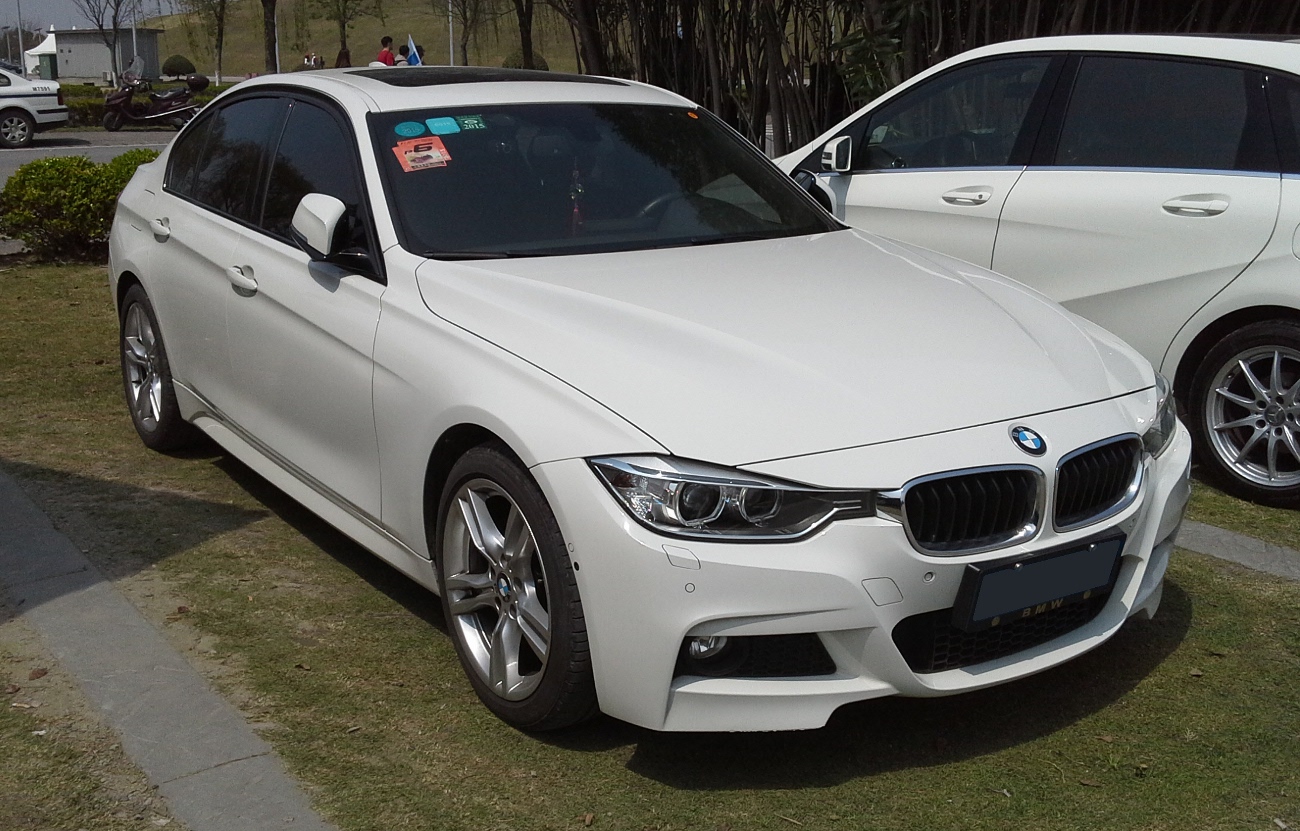
BMW has announced a global recall of approximately 176,000 vehicles due to a defect that could result in the loss of power-assisted braking. The recall targets several petrol-powered four-cylinder models built between 2012 and 2014, all equipped with turbocharged 2.0-litre engines. According to the manufacturer, the issue stems from insufficient lubrication to the vacuum pump, which can lead to a failure of the power brake assist system.
Overview of the BMW Recall
Which BMW Models Are Affected?
The recall covers a range of popular BMW models from the 2012 to 2014 model years. All affected vehicles share the same turbocharged four-cylinder petrol engine at the centre of the recall. The complete list of impacted models includes:
- 320i (2012–2014)
- 328i (2012–2014)
- 320i xDrive (2012–2014)
- 328i xDrive (2012–2014)
- 328i xDrive Sports Wagon (2014)
- 528i (2012–2013)
- 528i xDrive (2012–2013)
- X1 sDrive28i (2013–2014)
- X1 xDrive28i (2013–2014)
- Z4 sDrive28i (2012–2014)
Owners of these vehicles are being advised to pay attention to any notifications from BMW, as the company will provide further instructions regarding the recall and the necessary repairs.
Nature of the Defect and Safety Implications
The core issue involves the vacuum pump, which is responsible for providing power assistance to the braking system. Due to insufficient lubrication, the vacuum pump can fail, resulting in the loss of power brake assistance. While the mechanical brakes remain operational, drivers would have to apply much more force to the brake pedal to bring the car to a stop if the power assist is lost. BMW has stated that, at the time of the recall announcement, there have been no reported accidents or injuries linked to this defect.
Global Distribution of Affected Vehicles
BMW has provided a breakdown of where the affected vehicles are located. The distribution is as follows:
| Country/Region | Number of Vehicles |
|---|---|
| United States | 76,191 |
| China | 25,000 |
| Canada | 9,376 |
| Germany | 6,841 |
| Mexico | 2,738 |
| Other countries | Remaining units |
This global recall demonstrates the scale of the issue and BMW’s commitment to addressing it across all affected markets. The company has indicated that the majority of the vehicles are in the United States, with significant numbers also in China, Canada, Germany, and Mexico.
Recall Process and Owner Notification
BMW plans to notify affected owners in the United States starting in November 2013. Repairs are expected to begin from December, once parts and procedures are ready. Owners will be asked to bring their vehicles to authorised dealerships for inspection and repair at no cost. The remedy is likely to involve inspecting the vacuum pump and, if necessary, replacing it or related components to restore proper brake assistance.
Owners in other countries will be notified according to local regulations and BMW’s procedures in each market. The company has not yet detailed the exact repair process for every region, but all affected vehicles will be eligible for the necessary fix.
Context: Previous BMW Recalls
This recall is the latest in a series of safety campaigns by BMW. In the past, the company has issued recalls for other issues such as engine bolt faults and brake defects affecting different models. For example, over 30,000 X5 SUVs were previously recalled in the US due to a separate brake defect. These actions reflect the ongoing efforts by BMW and other manufacturers to address safety concerns as soon as they are identified.
Owners who are concerned about whether their vehicle is affected by this or previous recalls are encouraged to contact their local BMW dealer or consult official BMW recall information online.
What Should Owners Do Next?
If you own one of the affected BMW models, it is important to monitor communications from BMW or your local dealership. Once the recall process begins, schedule an appointment for the repair as soon as possible to ensure your vehicle’s braking system is functioning correctly. Until the repair is completed, be aware that braking may require more effort if the power assist fails, though the vehicle can still be brought to a stop.