Red Bull Rejects Mercedes Power Unit Supply Amid 2014 F1 Tensions
Red Bull has dismissed the idea of taking Mercedes engines, despite ongoing frustrations with Renault’s performance and Mercedes’ dominance in the 2014 Formula One season.
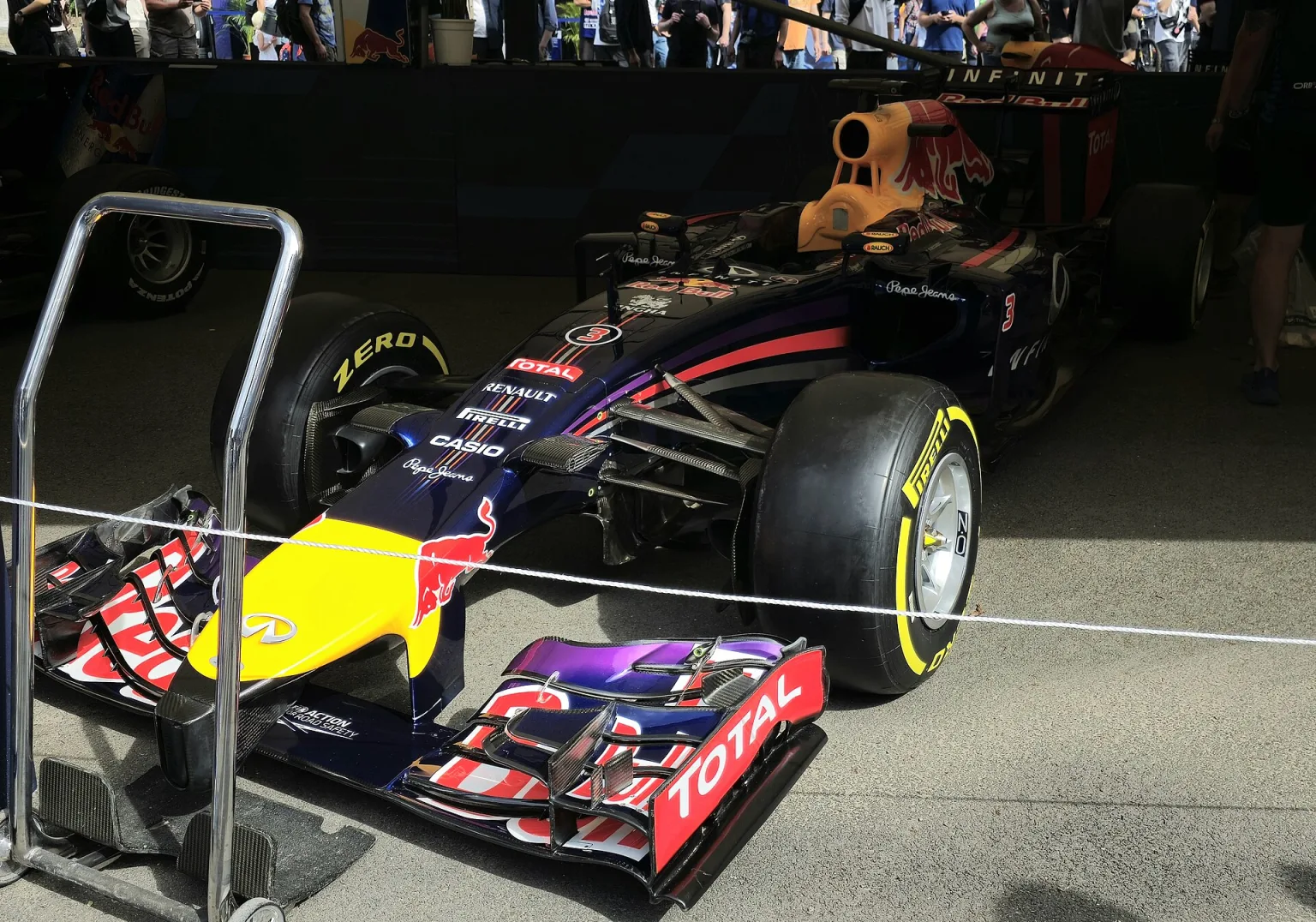
Red Bull Racing has ruled out any move to take Mercedes power units, despite the German manufacturer’s clear advantage in the 2014 Formula One season and persistent difficulties with its current Renault supply. Team advisor Helmut Marko said Red Bull would not pursue an engine deal with its arch-rival, even as the Mercedes V6 turbo-hybrid set the pace at the front of the grid.
The question of Red Bull’s engine supply has been a recurring theme since the introduction of new hybrid regulations. Mercedes’ works team has dominated the early part of 2014, while Red Bull has struggled with reliability and power deficits from Renault. Despite these issues, Marko made it clear that Red Bull would not consider switching to Mercedes, citing doubts over whether a customer team could ever receive equipment on par with the factory squad.
Red Bull’s reservations are rooted in Formula One’s history of works teams prioritising their own interests. Marko pointed to the impossibility of verifying whether Mercedes would provide truly equal engines, even if a deal were agreed. The team’s position reflects a broader scepticism in the paddock about the transparency of customer engine supply arrangements, especially when the supplier is also a direct competitor for championships.
Long-term Renault contract and Honda’s return
Red Bull owner Dietrich Mateschitz has reaffirmed the team’s commitment to Renault, noting a long-term contract remains in place. While the partnership has produced four consecutive drivers’ and constructors’ titles, the new power unit era has exposed weaknesses in Renault’s offering. Nonetheless, Red Bull’s leadership has shown little appetite for a switch, even as speculation grows about alternatives.
Honda’s re-entry into Formula One as McLaren’s works supplier in 2015 has introduced another potential option for Red Bull. The Japanese manufacturer has indicated it could supply customer teams from 2016. Mateschitz, however, has downplayed the likelihood, noting that Red Bull would only be offered customer status, not the full works support McLaren will receive.
Rivalries and the question of engine parity
The reluctance to accept Mercedes power is shaped as much by rivalry as by technical concerns. Red Bull and Mercedes have become direct competitors at the front of the grid, and any supply deal would raise questions about competitive fairness. Marko’s remarks echo wider unease in the paddock about whether a dominant manufacturer would ever risk empowering a rival with its best technology.
With McLaren set to leave the Mercedes fold for Honda, the German marque’s willingness to supply engines to a team of Red Bull’s calibre remains untested. For now, Red Bull’s public position is clear: it will not seek Mercedes power, even as the search for competitive parity continues.
- Red Bull remains committed to Renault for the foreseeable future.
- Mercedes dominance in 2014 has not changed Red Bull’s stance.
- Honda may become a supplier option from 2016, but not as a works partner.