Renault’s Abiteboul accuses Red Bull’s Newey of ‘lying’ over F1 engine blame
Cyril Abiteboul claims Red Bull’s technical chief Adrian Newey misrepresented the team’s 2015 Formula One struggles by blaming Renault’s power unit alone.
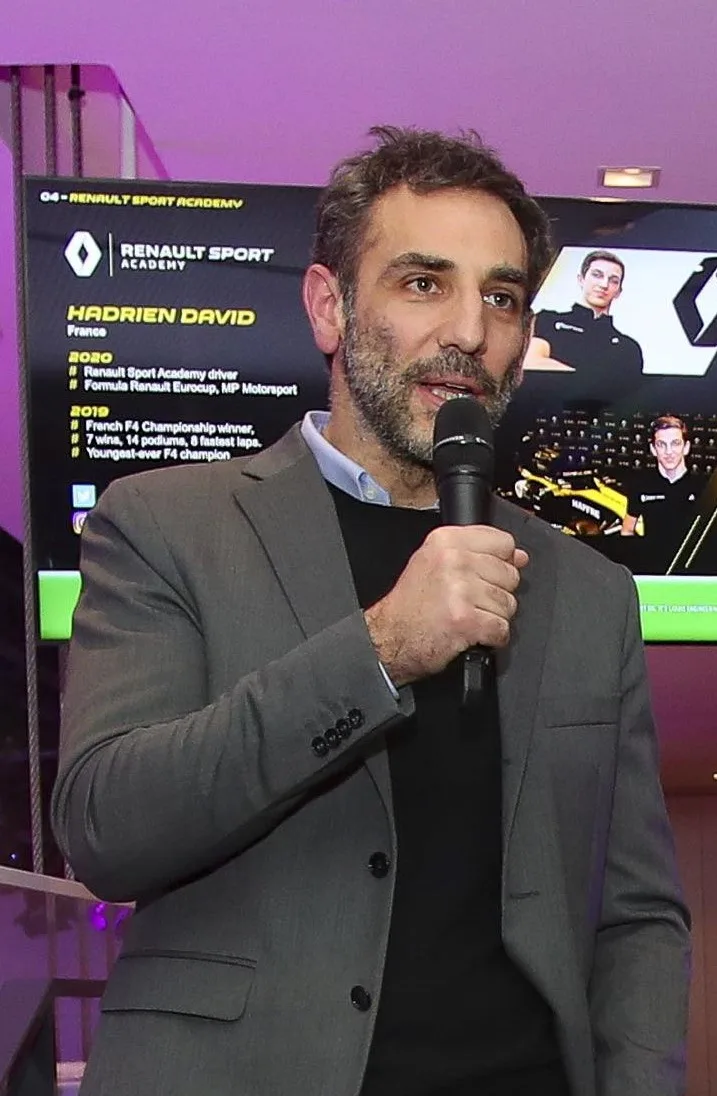
Renault’s Formula One partnership with Red Bull came under renewed strain in March 2015 when Cyril Abiteboul, the French manufacturer’s engine chief, accused Red Bull’s Adrian Newey of lying about the causes of the team’s poor performance. Abiteboul said Newey’s public statements unfairly blamed Renault’s power unit for all of Red Bull’s early-season troubles.
Speaking to France’s Auto Hebdo magazine following the opening rounds of the 2015 season, Abiteboul acknowledged Renault’s engine was not delivering the required performance or reliability. “I am not looking for excuses,” he said, but insisted Red Bull’s RB11 chassis had its own shortcomings, particularly a lack of rear stability that made the car difficult to drive.
Abiteboul’s comments came after Newey, Red Bull’s chief technical officer, repeatedly told media that Renault’s engine was the only thing holding the team back. The Frenchman countered that Red Bull’s technical department also bore responsibility for the car’s competitiveness, stating that it was “hard to have a partner who lies.”
Chassis and engine tensions escalate
The public dispute exposed the depth of frustration between Red Bull and Renault, who had previously won four consecutive constructors’ and drivers’ titles together. In 2015, the new hybrid power unit regulations left Renault trailing Mercedes and Ferrari for both power and reliability, but Abiteboul argued that Red Bull’s own design issues compounded the problem.
Abiteboul described Newey as “a charming gentleman and an outstanding engineer,” but said the Briton had “spent his life criticising his engine manufacturers.” The remark reflected a relationship that had become increasingly public in its disagreements, with Red Bull management and drivers vocally frustrated at Renault’s lack of progress.
Implications for the Red Bull–Renault partnership
The row raised questions about the future of the Red Bull–Renault relationship. By March 2015, Red Bull management was already reviewing its engine supply options for future seasons, with speculation about a possible switch to Ferrari or Mercedes. The tension also fuelled reports of potential exits or restructuring within both organisations.
For Red Bull, the dispute risked destabilising its technical direction and undermining confidence among drivers and sponsors. For Renault, the public criticism threatened its reputation as an F1 engine supplier and complicated its own strategic decisions about remaining in the sport as a works or customer team.
- Red Bull and Renault had won four world championships together (2010–2013).
- Hybrid engine rules from 2014 exposed Renault’s technical deficit.
- 2015 saw repeated public criticism from Red Bull management towards Renault.
- Renault’s future commitment to F1 was under review during this period.
The situation would continue to evolve throughout 2015, with further disputes and speculation about the future of both the Red Bull–Renault partnership and Renault’s involvement in Formula One. For more on Red Bull’s review of its Renault engine deal, seeRed Bull to Review Renault F1 Engine Deal After Canada