Renault and Dacia recall nearly 78,000 cars over engine valve issue
Clio, Modus, Twingo, Logan and Sandero models built in autumn 2010 face recall to replace potentially faulty valve half-cones in D4F, D4FT and D4D engines.
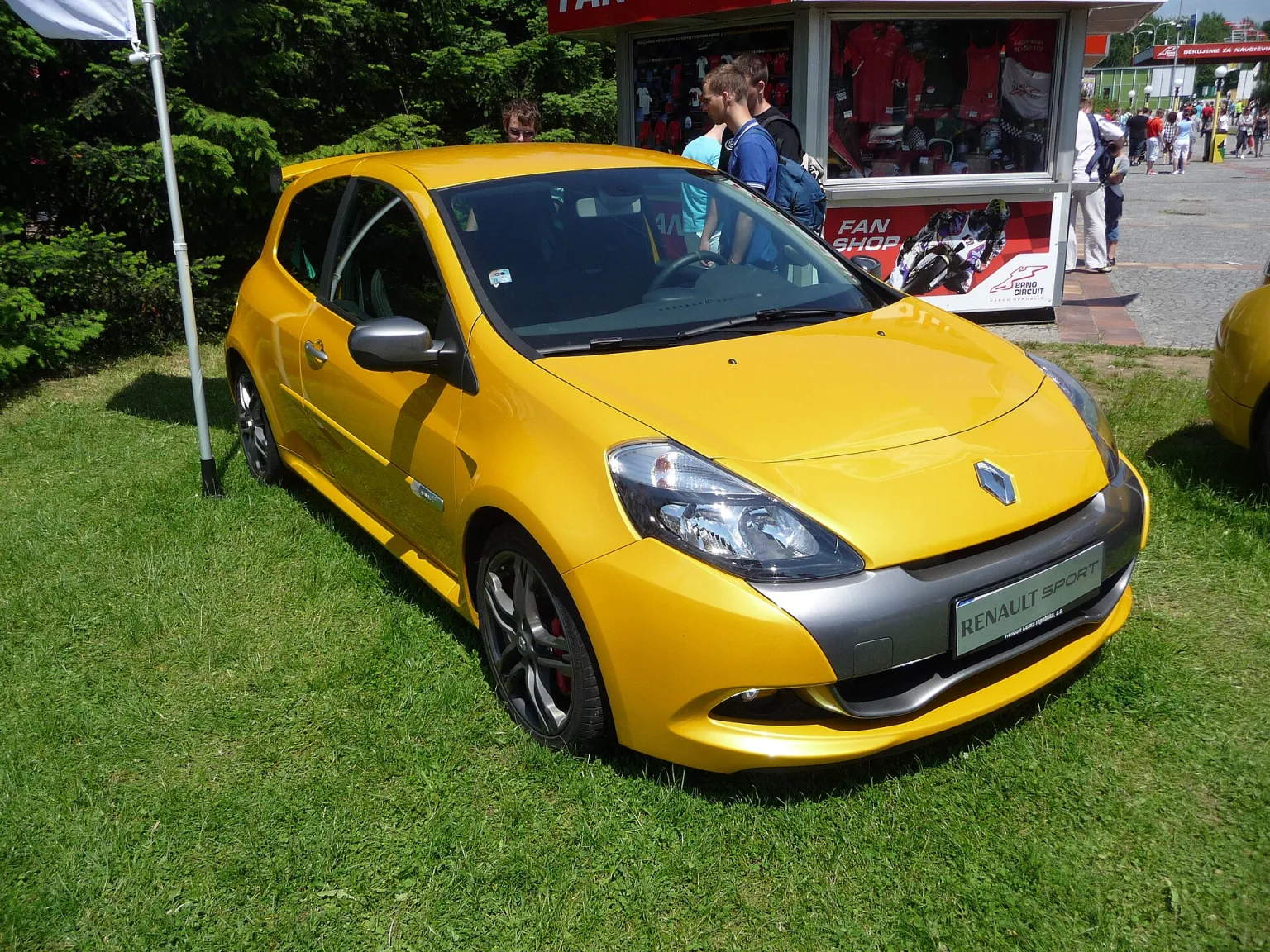
Renault and Dacia have announced a recall of 77,915 vehicles worldwide after identifying a potential fault in the engine valve half-cones used in several small car models built between September and November 2010.
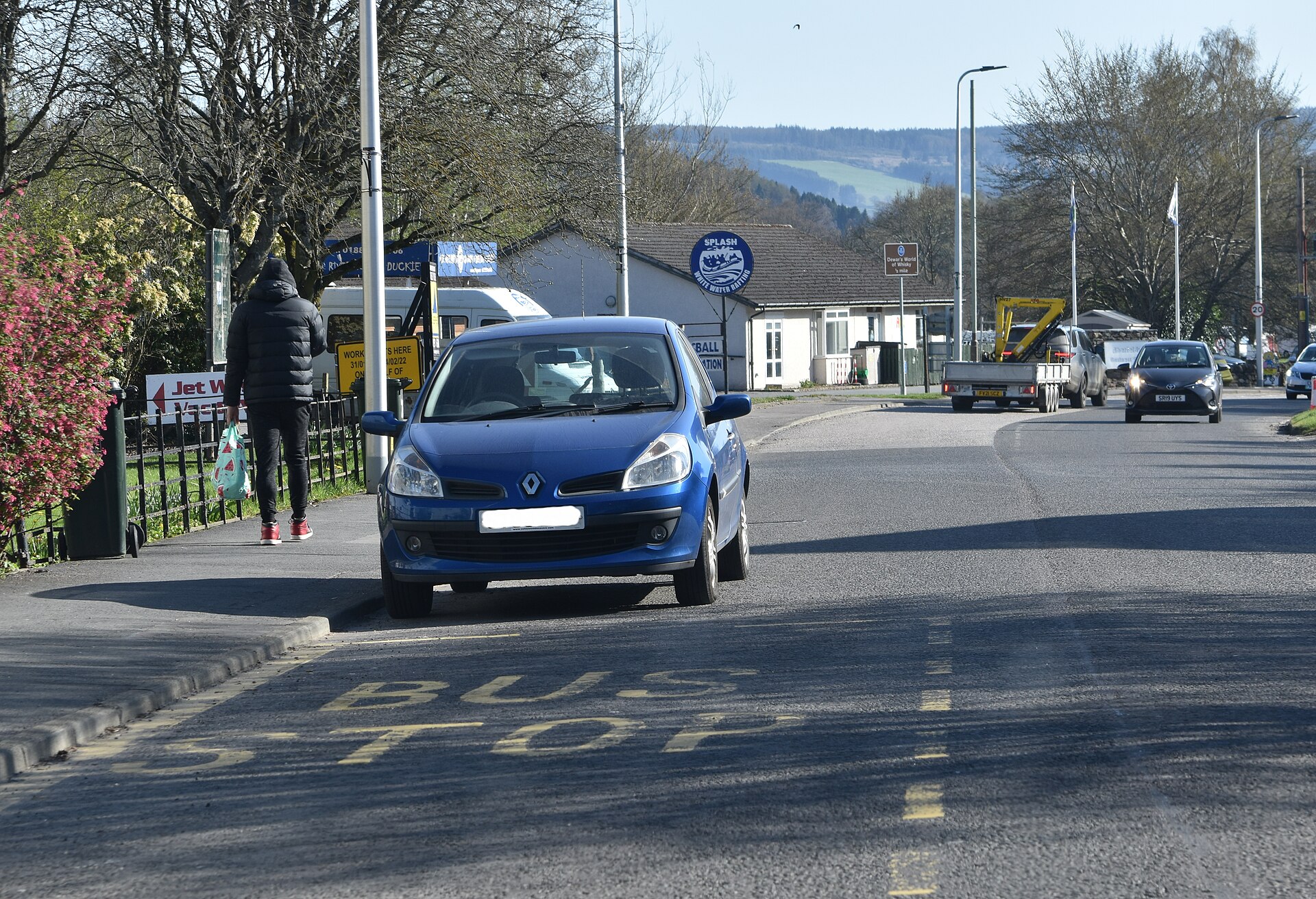
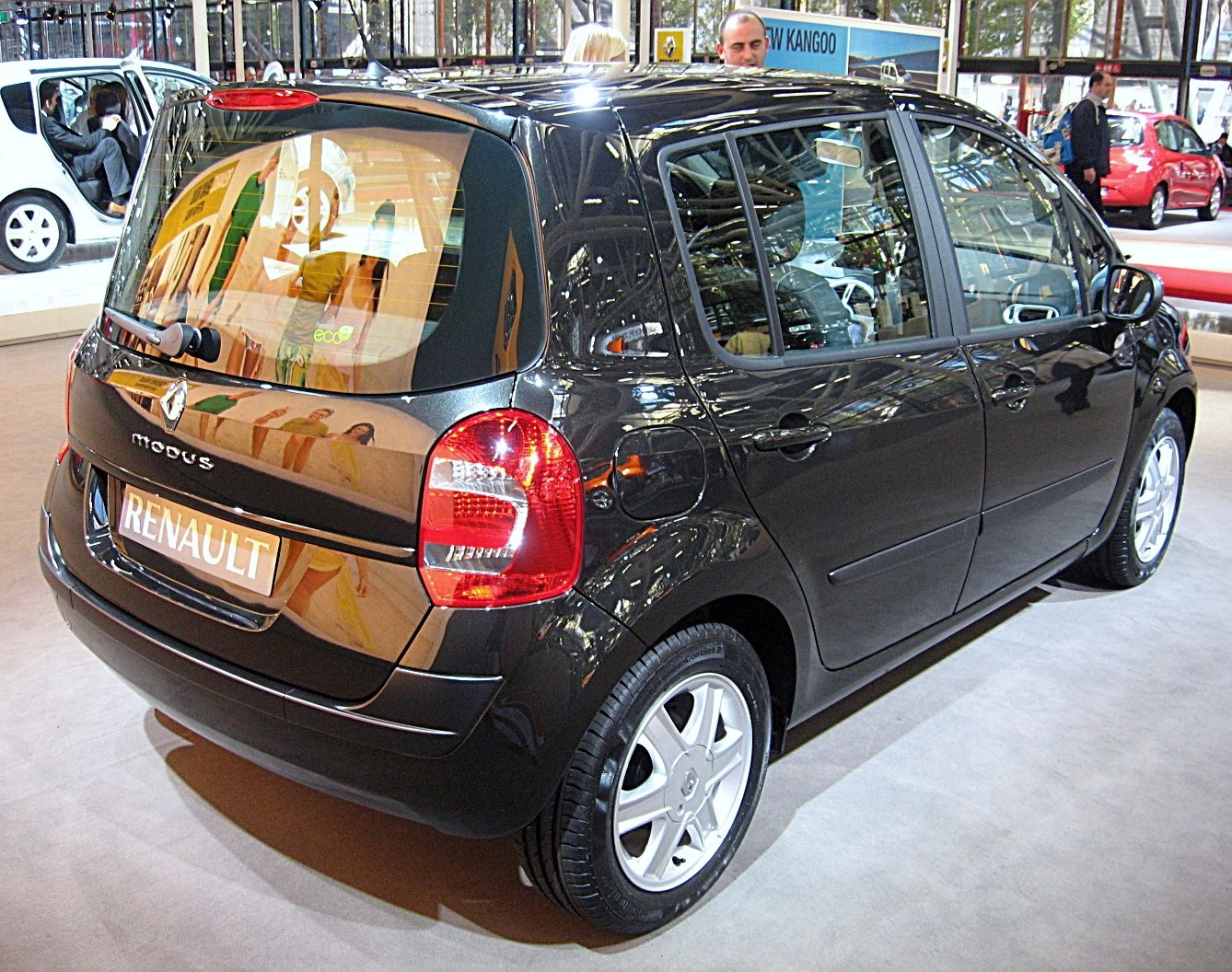
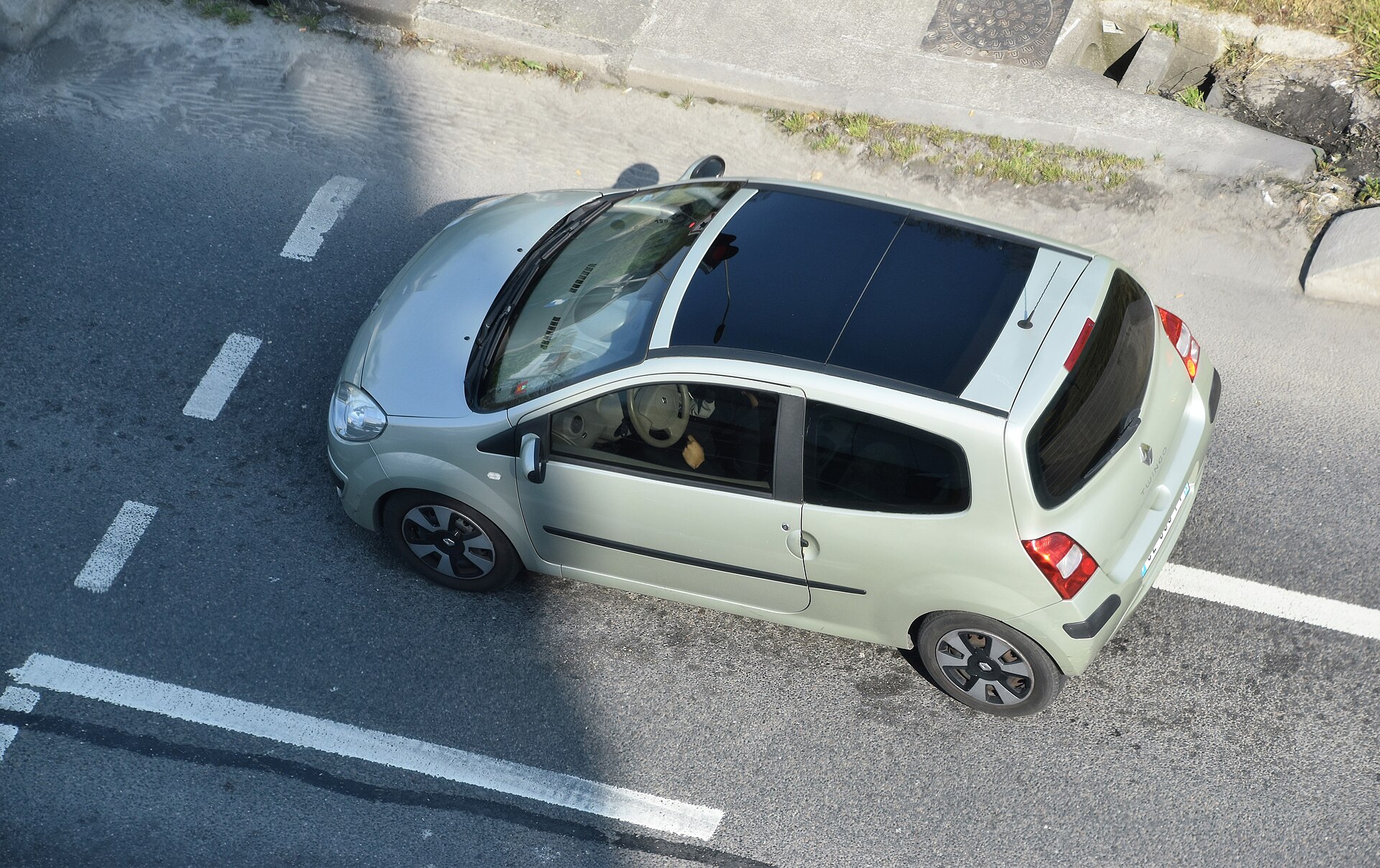
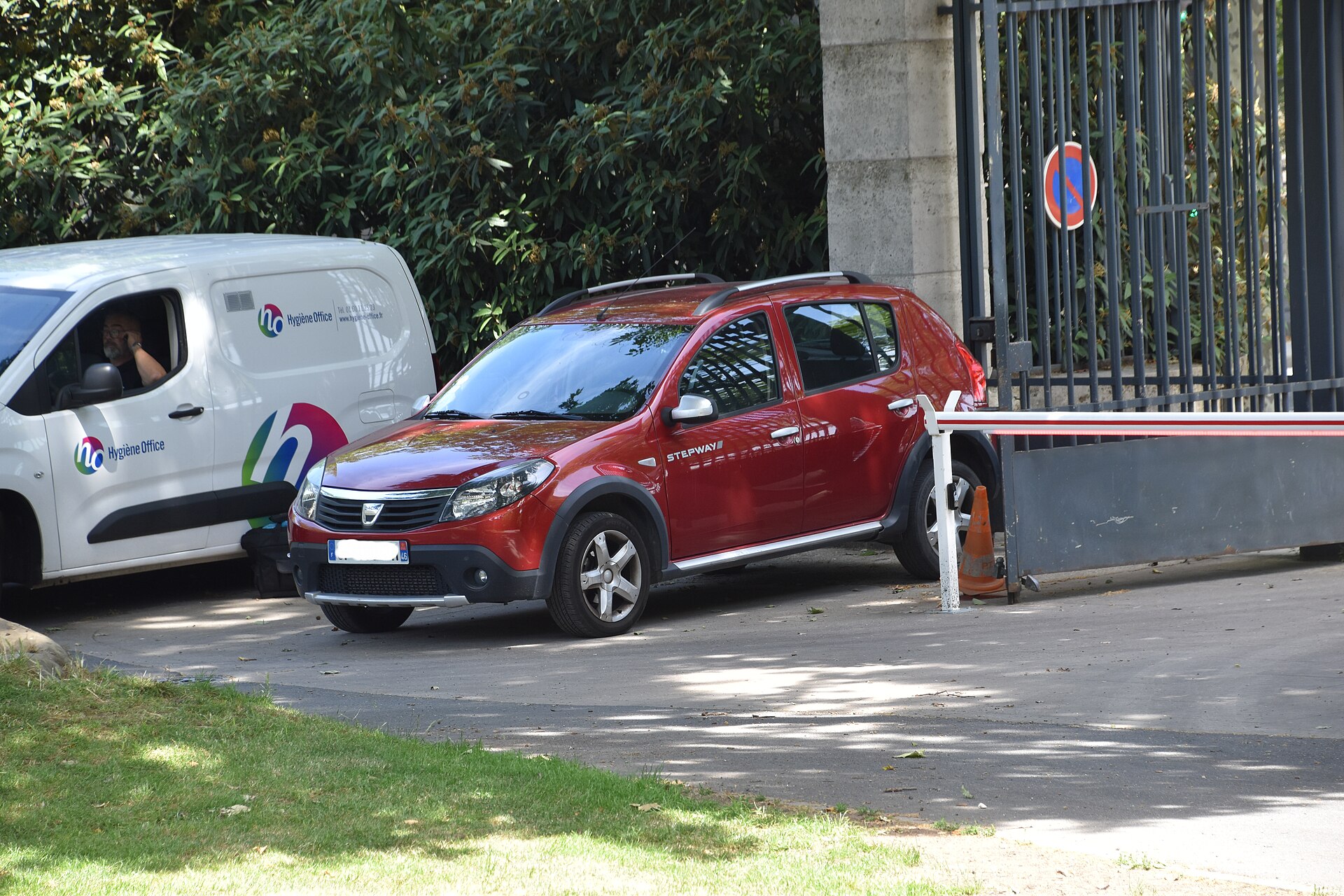
The recall affects the Renault Clio, Modus and Twingo, as well as the Dacia Logan and Sandero, all fitted with D4F, D4FT or D4D petrol engines. These are 1.2-litre 16-valve and 1.0-litre 16-valve Flex Fuel units, widely used across the Renault-Nissan Alliance’s entry-level models at the time.
Nature of the defect and affected vehicles
According to Renault and its Romanian subsidiary Dacia, the issue stems from non-conforming valve half-cones, a small engine component that secures the valve spring in place. If the part fails, it could lead to engine malfunction or, in the worst case, severe engine damage. The part itself is inexpensive, costing around €4 in the aftermarket, but the labour required for replacement can vary significantly. If only a single cone is replaced, the job may take as little as 20 minutes, but a full set can require up to four and a half hours.
The recall covers cars produced over a ten-week period from 17 September to 30 November 2010, with all affected vehicles using one of the three related engine codes. Owners will be notified by their respective national authorities, such as the Federal Motor Vehicle Office in Germany, and asked to return their vehicles to dealerships for inspection and, if necessary, replacement of the faulty parts.
Implications for owners and dealers
For owners, the main inconvenience will be the potential time off the road, especially if a full set of valve half-cones needs replacing. Dealers will need to manage the variable repair times, which could create scheduling pressures depending on how many affected cars require the longer intervention. As with most recalls of this nature, the work will be carried out free of charge to customers.
Renault and Dacia have not provided a specific start date for the recall or a timeline for owner notifications. The companies have stated that relevant authorities will contact affected customers directly. Similar recalls for engine component faults have been seen at other manufacturers, such as BMW and General Motors, often leading to high workshop demand in the initial weeks after notification. For a recent example, see BMW recalls 156,000 US vehicles over possible engine bolt fault.
Recall scope and next steps
The scale of this recall is substantial for Renault and Dacia, given the entry-level nature and high volume of the affected models. Both brands have stated that the intervention is precautionary and that no major incidents have been reported as a result of the defect. Owners of Clio, Modus, Twingo, Logan and Sandero vehicles built in the specified period should watch for official communication from their national authorities or dealerships regarding the next steps.
This campaign highlights the ongoing vigilance required in engine quality control and the logistical challenges that arise when a minor component can potentially affect tens of thousands of vehicles worldwide.