Renault Kwid’s 0.8-litre Engine Rated at 57 hp for India
Renault’s entry-level Kwid crossover will launch in India with a three-cylinder 0.8-litre petrol engine producing 57 hp, according to early reports.
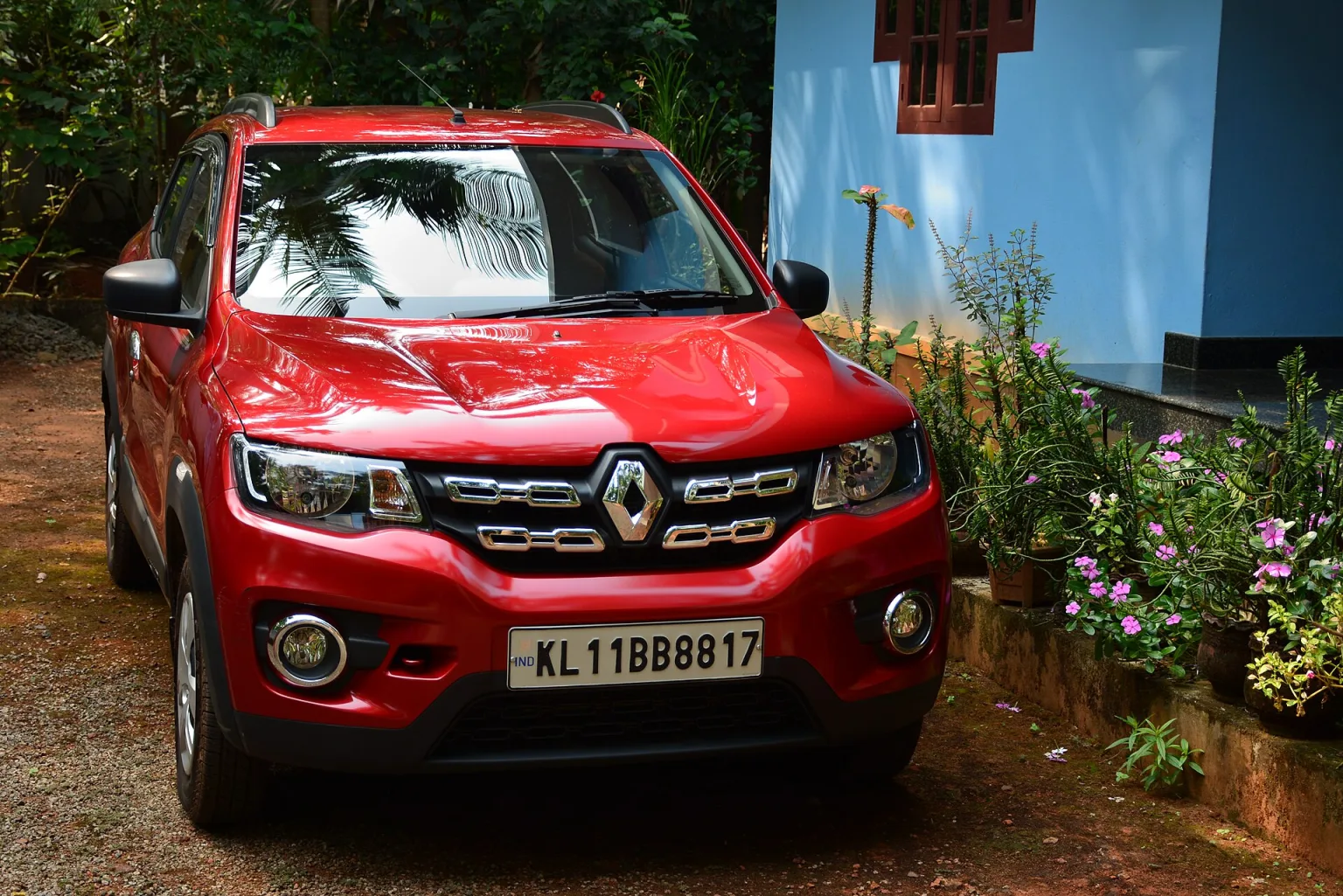
Renault’s new Kwid crossover will enter the Indian market powered by a naturally aspirated 0.8-litre three-cylinder petrol engine rated at 57 hp, according to multiple reports citing Team-BHP. The figure positions the Kwid at the lower end of the A-segment, where affordability and running costs are prioritised over outright performance.
Engine output and technical details
The 800cc engine, as reported by Motoroids and autoevolution, is designed to deliver 57 hp (42 kW) and is paired with a five-speed manual gearbox featuring low gearing. Renault India has also indicated that an automated manual transmission will be offered, operated by a rotary shifter on the centre console. The Kwid’s lightweight construction on the Renault-Nissan CMF-A platform is intended to maximise efficiency and keep the car responsive in city driving despite the modest power output.
Renault claims the engine is well positioned for fuel economy, though official consumption figures had not been released at the time of launch. The focus on efficiency and cost is reflected in the car’s high level of localisation, with 98 percent of components sourced from Indian suppliers. This allows Renault to target a price range of Rs 3–4 lakh, undercutting many rivals in the segment.
Comparison with later Kwid models
While the initial Kwid launched with the 0.8-litre engine, later versions introduced a 1.0-litre petrol option. According to Autocar India, the 999cc engine produces 69 hp at 5,500 rpm and 92.5 Nm of torque, paired with either a manual or AMT gearbox. The more powerful engine broadened the Kwid’s appeal in the Indian market, offering improved performance while retaining the model’s affordability and urban focus.
| Engine | Displacement | Power (hp) | Torque (Nm) | Transmission |
|---|---|---|---|---|
| Three-cylinder petrol | 0.8-litre | 57 | N/A | 5-speed manual/AMT (rotary) |
| Three-cylinder petrol | 1.0-litre | 69 | 92.5 | 5-speed manual/AMT |
Why the Kwid is not coming to Europe
Despite sharing the Dacia philosophy of low-cost mobility, the Kwid is not intended for European markets. The absence of electronic stability control, which is mandatory for new cars in Europe, and the limited power output of the 0.8-litre engine would make the Kwid uncompetitive against European rivals. Renault has instead focused on India and other emerging markets, where the car’s combination of price, style and practicality has found a receptive audience.
Market positioning and future prospects
The Kwid’s 57 hp engine is emblematic of Renault’s strategy to capture buyers upgrading from two-wheelers or seeking an affordable first car. Its entry price, high ground clearance and SUV-inspired styling are tailored to Indian preferences. While there has been speculation about diesel or more powerful petrol variants, at launch the focus remained on the 0.8-litre petrol model. Subsequent updates have expanded the range, but the original engine remains central to the Kwid’s budget positioning.