Mercedes C-Class Diesels Accused of Exceeding NOx Limits by German DUH
German environmental group DUH claims Mercedes C-Class diesel models emit far more NOx than Euro 5 limits allow, raising questions over Daimler's emissions strategy.
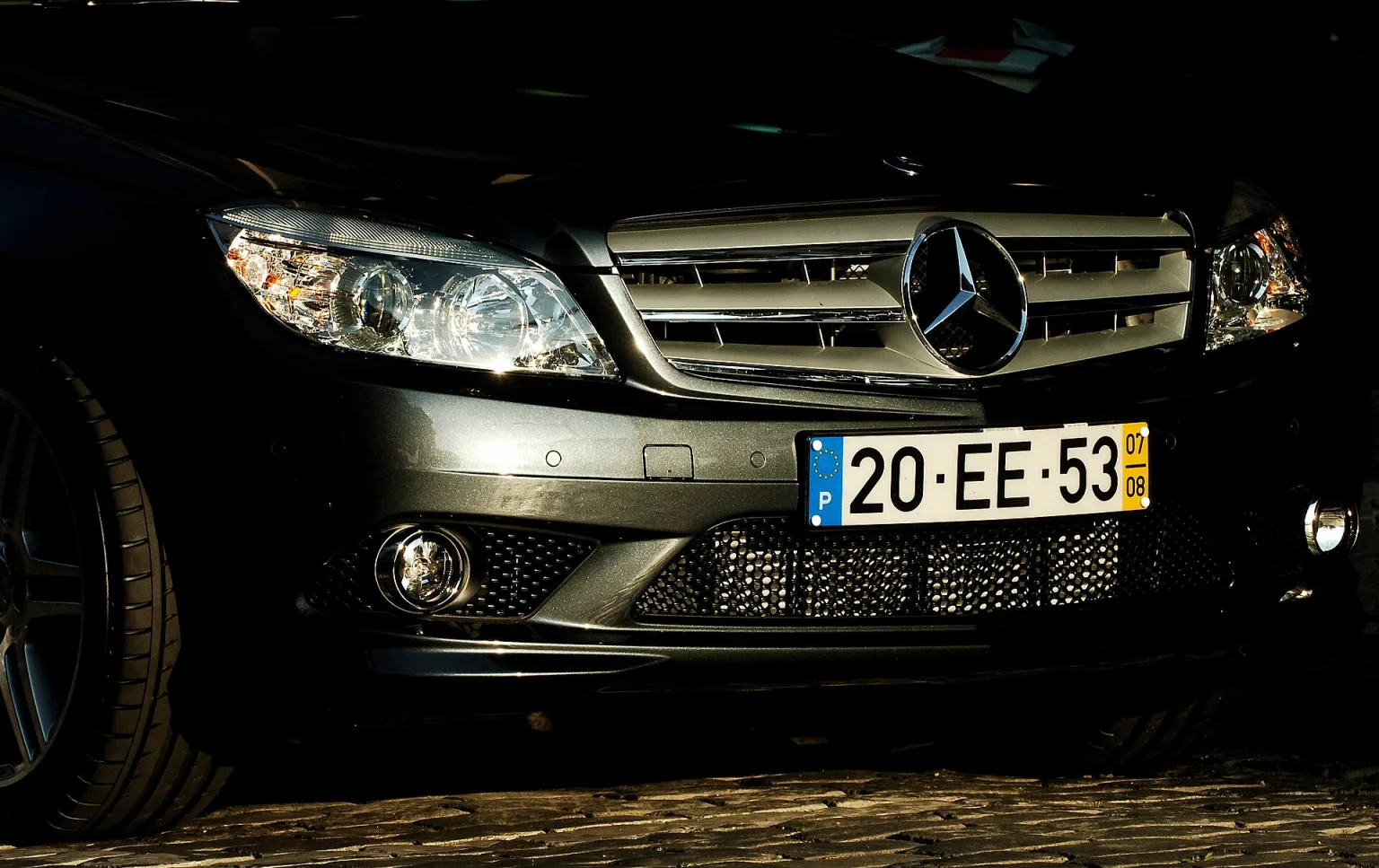
German environmental group Deutsche Umwelthilfe (DUH) has accused Mercedes-Benz of breaching European emissions rules, after independent tests showed C-Class diesel models emitting nitrogen oxides (NOx) at levels far above legal limits. The findings put further pressure on Daimler, which is already facing scrutiny in the wake of the Volkswagen emissions scandal.
Test results from Switzerland and the Netherlands
The DUH cited laboratory and on-road tests of the Mercedes C200 CDI and C220 CDI conducted by the University of Applied Sciences in Bern, Switzerland, and the Dutch institute TNO. A 2011 C200 CDI was found to emit between 337mg and 352mg NOx per kilometre with a warm engine, more than double the 149mg/km limit set by Euro 5 regulations. When tested with a cold engine, emissions were closer to the limit, but repeated warm-engine tests produced the same high readings.
TNO's tests on the C220 CDI revealed even greater discrepancies. The car passed laboratory tests but, in real-world city driving, emitted 817mg NOx/km, over ten times the permitted value. These tests were commissioned by the Dutch environment ministry and carried out at ambient temperatures between seven and ten degrees Celsius. The results were only made public after a request for access to official records.
DUH calls for action as Daimler rejects allegations
Based on the findings, DUH claims the Mercedes C220 CDI violates EU type approval rules, which require emissions controls to function “in normal use”. The group has called for withdrawal of the model’s type approval and for city driving bans when outside temperatures fall below ten degrees Celsius, citing persistent air quality problems in 29 German regions. DUH also alleges the use of software that alters emissions behaviour between laboratory and real-world conditions, though Daimler denies any illegal defeat devices.
Daimler has rejected the accusations, arguing that its vehicles comply with all national and European standards applicable at the time of approval. The company questioned the validity of the tests, saying it had not been informed about the specific vehicle, test temperatures or loading conditions. Daimler maintains that variations in real-world emissions are due to differences from laboratory conditions and that emissions systems are managed to protect engine components and ensure safe operation.
Industry context and implications for owners
The Mercedes OM651 2.1-litre diesel engine, used in the C200 CDI, C220 CDI and other models across the brand’s range, is central to the allegations. The DUH’s claims extend beyond a single model, raising the prospect of wider regulatory scrutiny for Daimler’s diesel lineup. The Dutch tests also included a comparison with a BMW 530d, which met NOx limits under similar conditions, suggesting that compliance is possible with current technology.
For owners, the immediate risk is regulatory action that could restrict access to city centres, especially in regions already struggling with NOx pollution. While no recall or official ban has yet been imposed, the DUH’s demands and the attention from regulators could affect the future use and value of affected vehicles.
Comparison: Euro 5 NOx emissions results
| Model | NOx emission (mg/km) | Euro 5 limit (mg/km) | Source |
|---|---|---|---|
| Mercedes C220 CDI | 817 | 149 | 2 |
| Mercedes C200 CDI | 337–352 | 149 | 1 |
| BMW 530d | 78 | 149 | 2 |