Renault targets wider appeal for Zoe with longer range and lower price
Renault has increased the Zoe’s range to 240 km and cut its price in France, aiming to boost sales of its electric supermini after a slow start.
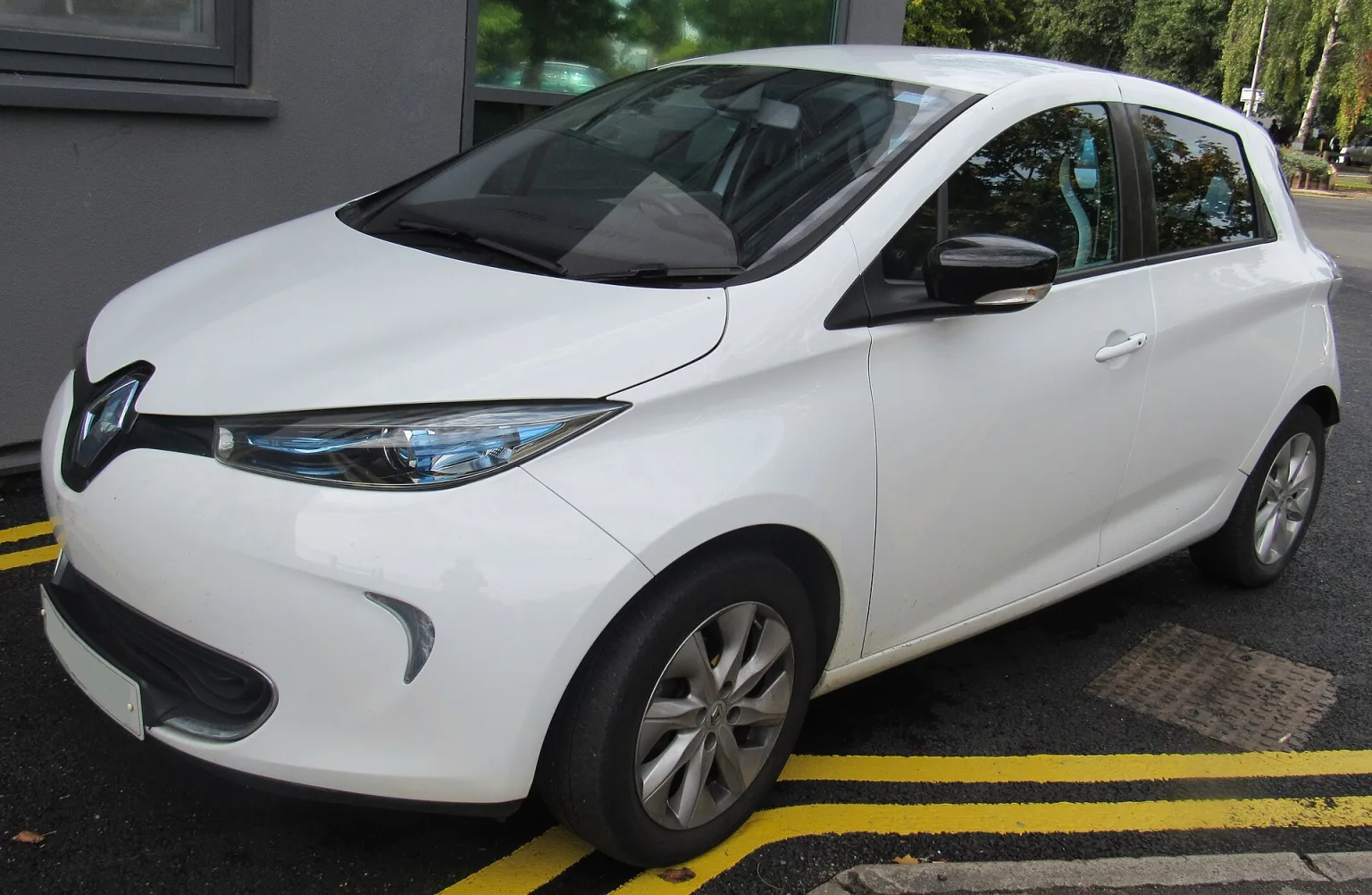
Renault has responded to slower-than-hoped sales of its Zoe electric car by increasing its driving range and reducing its price for European buyers. The updated Zoe, which will be available from spring 2015, now offers a claimed 240 km range on a full charge, up from the previous 210 km. In France, Renault will sell the revised model at an upfront price of €22,400, with government incentives able to bring the cost down to €16,100.
The Zoe is one of the few electric cars designed specifically as a battery vehicle rather than adapted from an existing petrol or diesel model. Renault’s technical update centres on a lighter, more compact electric motor and revised electronic management, which together allow the car to travel further on a single charge without increasing battery size. The company is hoping these changes will help the Zoe stand out in a slowly growing European electric car market.
Range improvements and cost reduction
The new Zoe’s 30 km increase in range is a modest but relevant step for buyers concerned about running out of charge. Renault has made clear that it intends to continue improving battery range in increments of 30 to 40 km, with the goal of reaching about 300 km for its top-selling electric models. Renault Nissan Alliance chief executive Carlos Ghosn set out this target at the Geneva Motor Show, also referencing the Nissan Leaf, which at the time offered a 199 km range and remained the world’s best-selling electric vehicle.
Ghosn’s approach is to gradually improve range rather than wait for a single breakthrough, speeding up the introduction of these incremental updates as battery technology and electronics improve. For buyers, the immediate benefit is a car that can cover more ground between charges and costs less upfront, especially where government subsidies apply. Renault’s pricing strategy puts the Zoe in a more competitive position against rivals, particularly in France where incentives are strongest.
Tackling range anxiety and infrastructure
While the extra range is likely to reassure some potential buyers, Renault’s leadership acknowledges that technical improvements alone will not fully address so-called range anxiety. Ghosn has pointed out that until charging stations are as common as petrol stations, many drivers will remain hesitant. He suggested parity in charging infrastructure could be reached in three to five years, but for now, the Zoe’s improvements are only part of the answer.