BMW targets camera-based mirror replacement from 2019
BMW is preparing to introduce camera systems in place of traditional mirrors on production models as early as 2019, following the debut of its i8 Mirrorless concept.
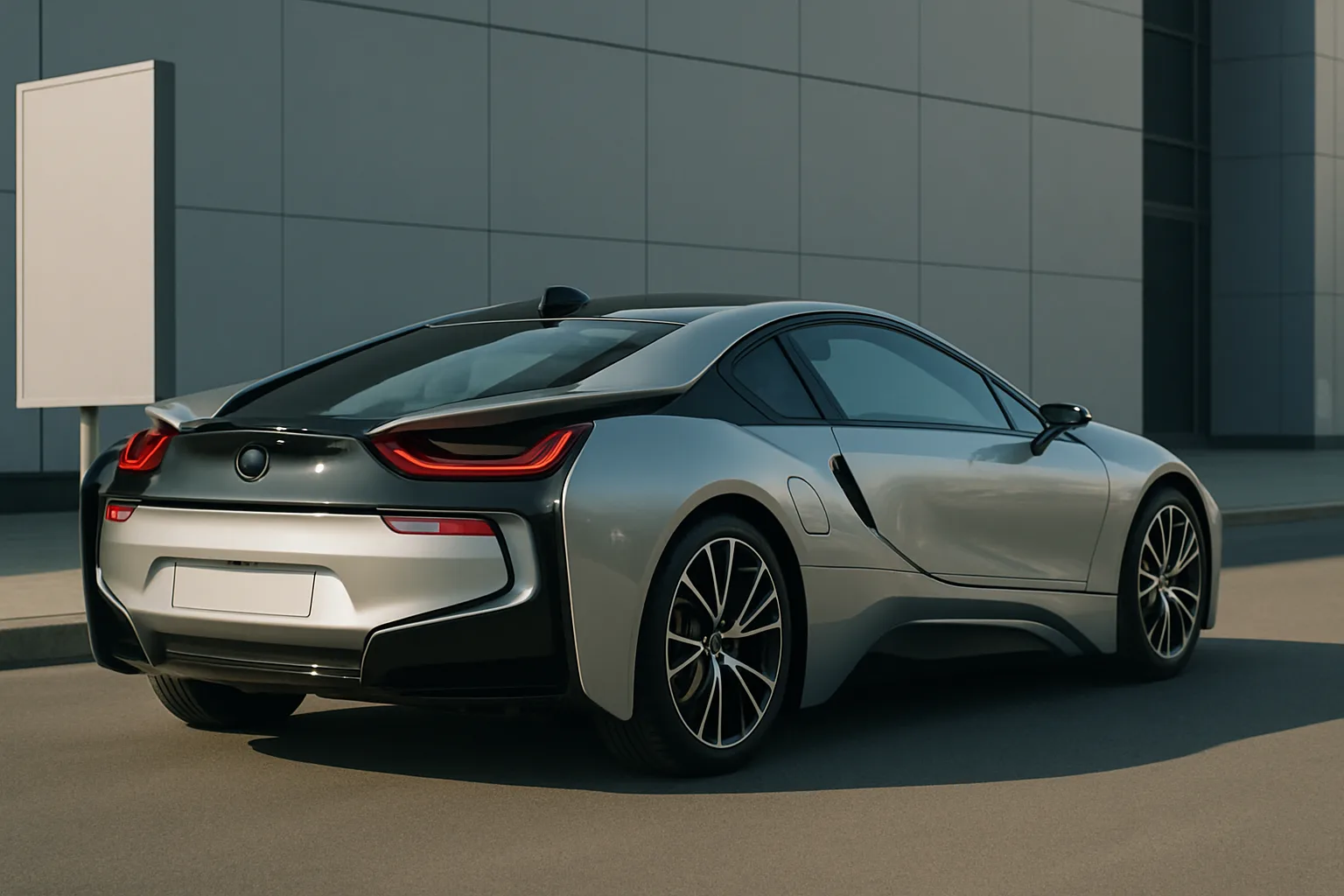
BMW is preparing to replace conventional door mirrors with camera-based systems on its production cars, targeting a launch from 2019. The move follows the unveiling of the i8 Mirrorless concept at the Consumer Electronics Show in Las Vegas, where BMW demonstrated a working setup using external cameras feeding live images to interior displays.
BMW’s development chief, Elmar Frickenstein, said the company expects the technology to be viable for production within three years, suggesting the first models could arrive as early as 2019. The company has not confirmed which vehicle will debut the system, but the i8 or an updated 7 Series are possible candidates. Frickenstein also indicated that once introduced, the technology could spread across the BMW range over time.
Technology and potential benefits
The i8 Mirrorless concept replaces all rear-view mirrors with three cameras: two mounted externally and one on the rear windscreen. Their combined feed is displayed on a wide interior screen, offering a broader and less obstructed view than traditional mirrors. BMW argues this approach improves safety by reducing blind spots and gives drivers a more comprehensive picture of surrounding traffic.
Aerodynamics are another consideration. Removing conventional side mirrors reduces drag, which could deliver a modest improvement in fuel efficiency. While the gains are likely to be small, BMW sees them as a step towards meeting stricter emissions and efficiency targets.
Regulatory hurdles and rollout
Despite technical readiness, regulatory approval remains a challenge. US law currently requires physical mirrors on production vehicles, blocking immediate adoption there. BMW’s rollout will depend on changes to these rules in key markets. European regulators have shown more openness to camera-based systems, and other manufacturers have previewed similar technology, but no mass-market model had launched with full camera substitution as of early 2016.
BMW’s plan to introduce camera-based mirror systems from 2019 puts it among the first large manufacturers aiming to move beyond the traditional mirror. The company expects the technology to become available across more models if regulatory barriers are addressed and early customer feedback is positive.