

Chevrolet Bolt Reportedly Costs GM Up to $9,000 Per Car
Industry analysis suggests General Motors could lose as much as $9,000 on every Chevrolet Bolt it sells, raising questions about long-term strategy for affordable electric vehicles.
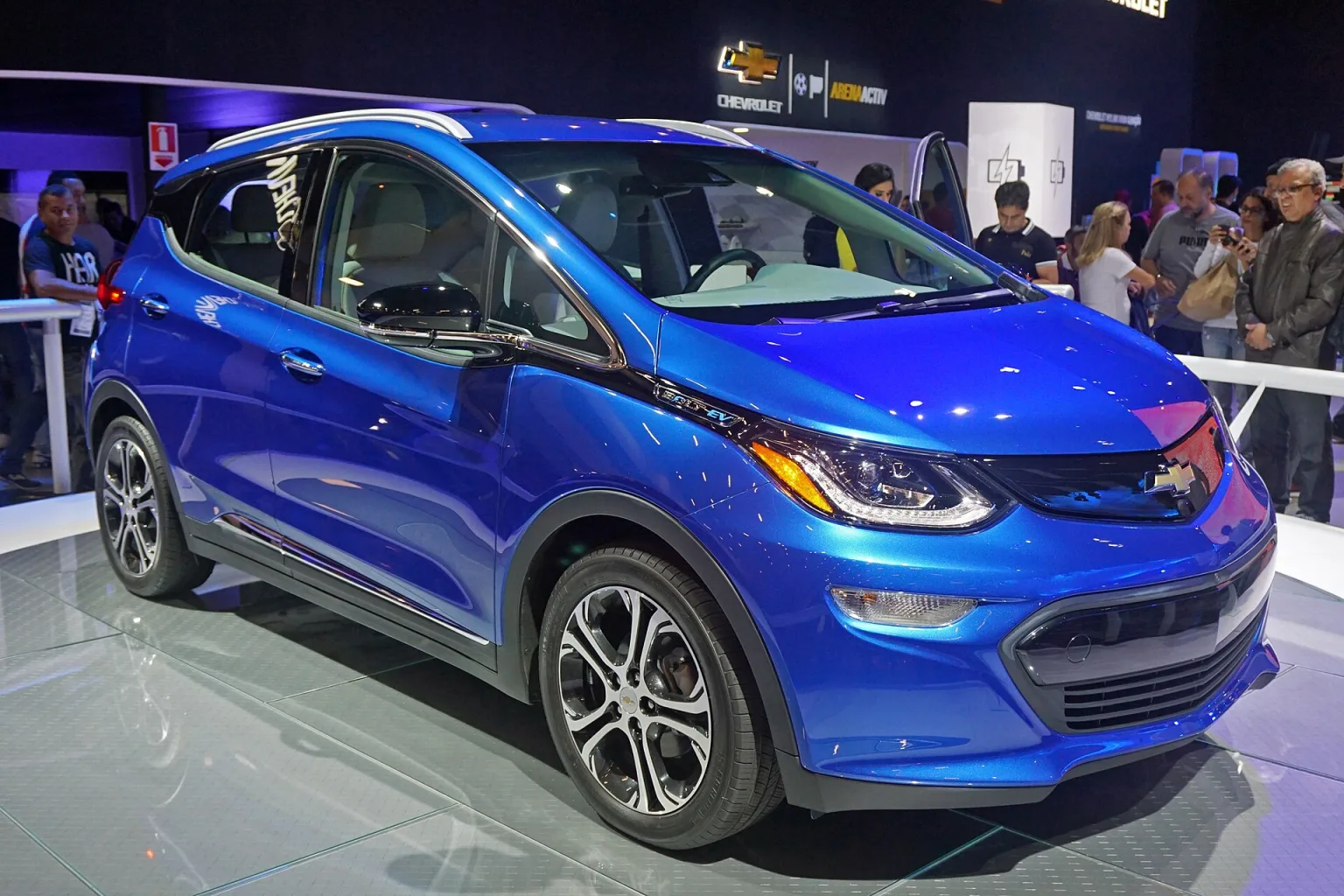
General Motors could be losing as much as $9,000 on every Chevrolet Bolt it sells, according to industry analysis from late 2016. The figure, reported by Bloomberg and attributed to Eric Noble of The CarLab consultancy, highlights the financial pressure facing manufacturers bringing long-range, affordable electric vehicles to market.
The Chevrolet Bolt launched in the US with a 238-mile EPA-rated range and a starting price of $37,500 before incentives. Unlike electric cars built to satisfy regulatory requirements in California and a handful of other states, the Bolt was designed for wider national sale, putting GM in direct competition with both established automakers and new entrants such as Tesla.
Why the Bolt is so costly to build
The Bolt was developed on a new architecture, with a battery pack and electric drivetrain that required substantial investment. Battery costs remain a major factor in the economics of electric vehicles, and the Bolt’s large pack was necessary to deliver the promised range at a mainstream price point. According to The CarLab, these costs, combined with the need for new manufacturing processes, make the Bolt a money-loser in the short term.
Other manufacturers have taken a different approach. Fiat Chrysler’s 500e, for example, was developed specifically to meet California’s zero-emission vehicle requirements and is only sold in limited numbers in select states. GM, by contrast, opted for a nationwide release, increasing exposure but also amplifying the financial risk.
- Chevrolet Bolt: new platform, mass-market focus, national US release
- Fiat 500e: compliance car, limited production, sold only in ZEV states
Regulation and longer-term strategy
California’s zero-emission vehicle mandate, adopted by nine other states, requires automakers to sell a certain number of non-polluting vehicles if they want access to those markets. For GM, the Bolt is both a compliance tool and a technology showcase. While the short-term losses are steep, the company is betting that early investment in electric vehicle technology and manufacturing expertise will pay off as battery costs fall and EV demand grows.
The Bolt’s financial performance is being closely watched across the industry, as it tests whether a mainstream, long-range electric car can be viable without luxury pricing or heavy subsidies. For more detail on the Bolt’s development and production plans, seeChevrolet Confirms Bolt EV Production at Orion Plant.



