Mercedes-Benz considers green sub-brand to rival BMW i
Mercedes-Benz is weighing the launch of a dedicated eco-focused sub-brand as it expands its range of plug-in hybrid, electric and hydrogen vehicles to compete with BMW's i division.
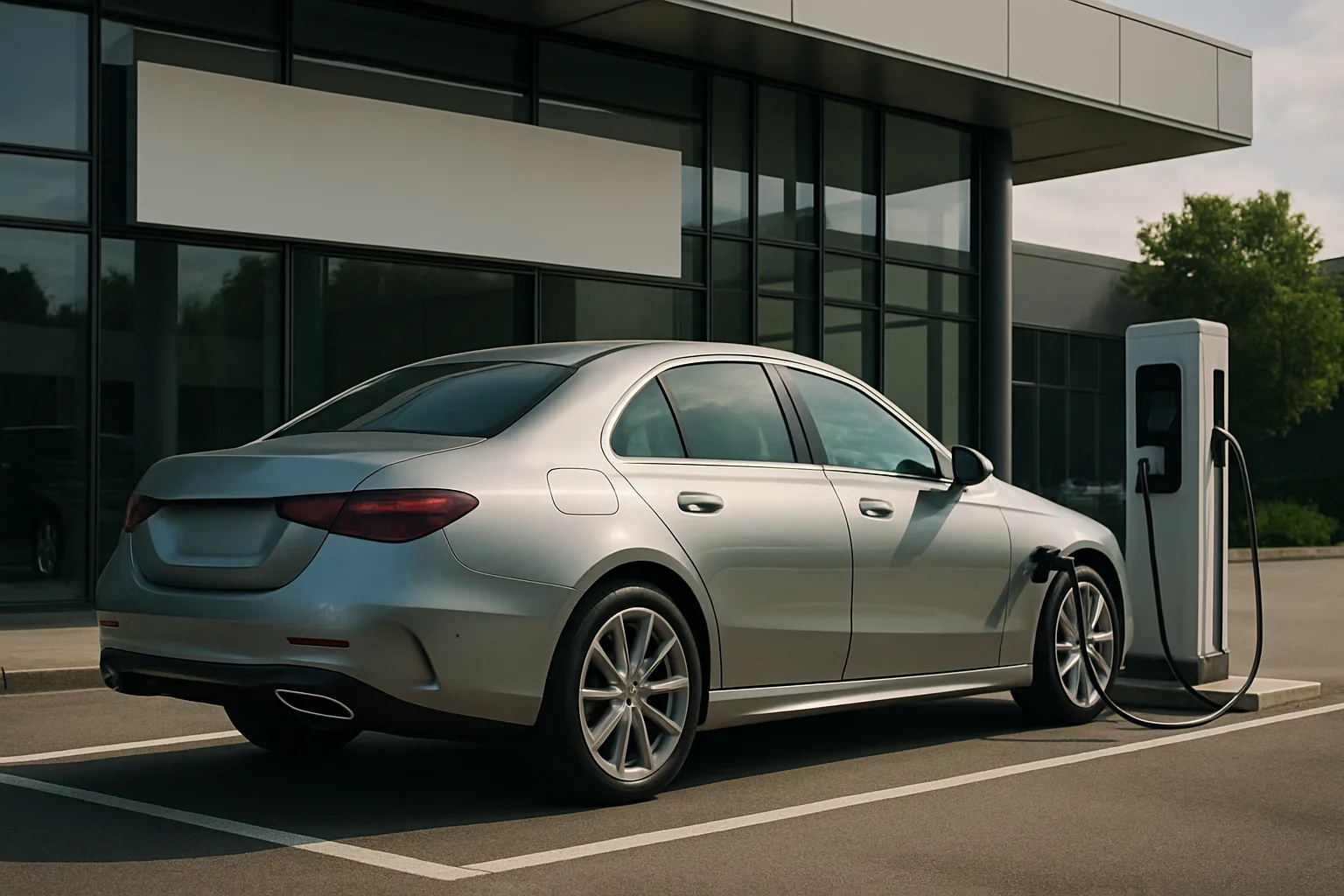
Mercedes-Benz was in 2016 considering the launch of a dedicated green sub-brand as it looked to expand its range of alternatively-powered vehicles and respond to BMW's i division. Ola Källenius, then head of sales and marketing, indicated that the company was evaluating whether to group its electric, plug-in hybrid and hydrogen models under a single eco-focused badge.
Källenius said he personally liked the idea of a Mercedes sub-brand for alternatively-powered vehicles, but made clear that the company first needed a broader range of plug-in hybrids and electric cars before formalising such a move. At the time, Mercedes was preparing to introduce three new electric models by the end of 2016: an updated B-Class Electric Drive and two Smart EVs. The GLC F-Cell, a hydrogen-powered SUV, was also in development for a planned launch in 2017.
BMW i sets the benchmark for premium EV sub-brands
BMW's i sub-brand, launched with the i3 and i8, had by 2016 established itself as the main premium German badge for electric mobility. BMW announced plans to expand the i range further, including a flagship electric model scheduled for 2021. This set a clear competitive marker for Mercedes, which had until then relied on integrating green models across its main range and the Smart brand.
Plug-in, electric and hydrogen models in the pipeline
Mercedes' strategy in 2016 focused on rapid expansion of its electrified line-up. The company planned to have ten plug-in hybrid models available by early 2017, extending from saloons to SUVs. For fully electric vehicles, the updated B-Class Electric Drive and new Smart EVs were expected to broaden the brand's appeal in the urban and compact segments. The GLC F-Cell would mark Mercedes' first hydrogen-powered SUV, targeting markets with emerging hydrogen infrastructure.
Källenius suggested that a dedicated eco sub-brand could bring coherence to Mercedes' green model strategy, especially as rivals like BMW i and Audi e-tron were consolidating their own alternatively-powered offerings under distinct identities. He also noted that the move towards electrification would influence the entire Mercedes line-up, not just a niche segment.
No immediate launch, but groundwork underway
While no official launch date or branding was confirmed in 2016, Mercedes-Benz's public statements and product plans indicated that a move towards a green sub-brand was under serious consideration. The company’s investment in plug-in, electric and hydrogen vehicles set the stage for a future announcement, as Mercedes sought to match BMW's i division and Audi's e-tron in the premium eco segment.