Ford CEO Mark Fields plans multibillion-dollar Lincoln revival
Mark Fields, newly appointed as Ford CEO, is preparing a multiyear overhaul of Lincoln, with investment reportedly reaching $5 billion to reposition the brand against global luxury rivals.
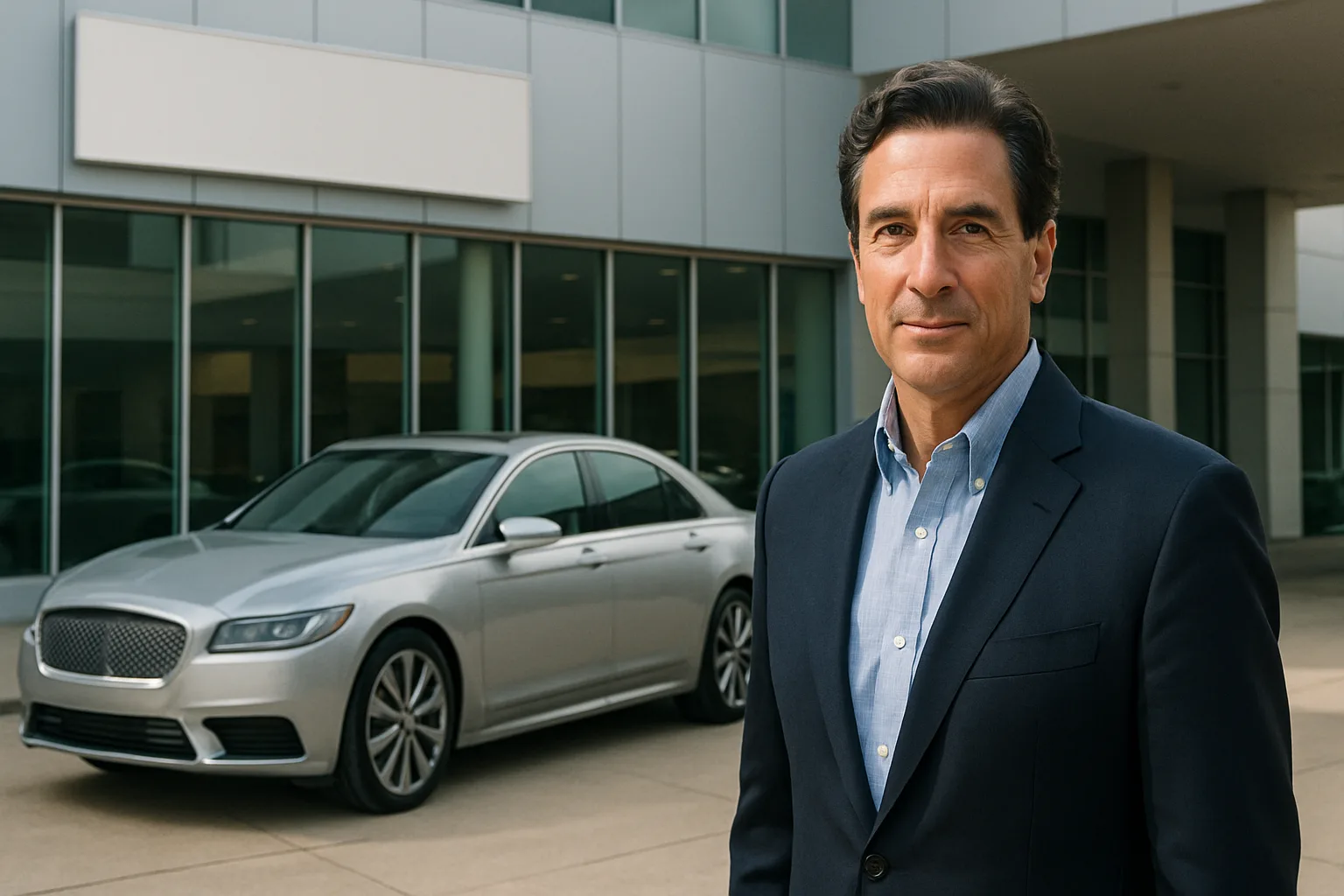
Mark Fields, who took over as Ford CEO in 2014, is preparing a major revival of the Lincoln brand, according to sources familiar with the company’s plans. The move comes after years of uncertainty about Lincoln’s future, with the brand suffering from a lack of investment and a shrinking model line.
Four people with knowledge of the strategy told Reuters that Fields has secured full backing from Executive Chairman Bill Ford and the board to pursue a multiyear, multibillion-dollar overhaul. The plan would see Lincoln receive the kind of investment and product attention that predecessor Alan Mulally had largely denied it, with the goal of restoring Lincoln’s status as a credible luxury competitor.
Lincoln’s long decline and the new plan
Lincoln, acquired by Ford in 1922, has struggled for relevance in recent decades. Its range has been limited, and most recent models have been closely related to mainstream Ford products, leaving dealers and buyers questioning the brand’s future. The lack of unique platforms and limited product differentiation led to falling sales and a diminished reputation, especially when compared to rivals like Mercedes-Benz and BMW.
The new strategy involves developing an all-new premium vehicle platform for Lincoln, which would underpin several future models. This is a marked departure from the previous approach of rebadging Ford vehicles. Sources put the total investment at up to $5 billion, a figure that would cover product development, manufacturing upgrades and marketing. The intention is to create a range of vehicles capable of competing with established luxury brands not just in the US, but globally.
What the Lincoln revival means for Ford and dealers
For Ford, a successful Lincoln turnaround would provide a foothold in the lucrative premium segment, where margins are higher and global growth is strong. Dealers, especially in the US, have long pressed for new models and a clearer brand identity to attract buyers who might otherwise look to German or Japanese luxury marques. The plan’s scale suggests Ford is now willing to make the kind of long-term commitment required to rebuild Lincoln’s reputation.
The move also comes as Ford prepares to expand Lincoln’s presence in China, with exports and local production part of the wider strategy. For more on Ford’s China ambitions, see Ford targets 40,000 annual exports to China as Lincoln launch nears.
Lincoln’s global ambitions
Ford’s investment in Lincoln mirrors revival strategies seen at other heritage brands. The company’s goal is to position Lincoln as a true competitor to global luxury leaders. While the full details of the product plan remain under wraps, the commitment of resources and the creation of a dedicated platform mark a clear shift in Ford’s approach to its premium division.
No timeline has been publicly confirmed for the rollout of the new models, and Ford has not commented officially on the reported figures or plans. The scale of the investment, however, signals that Lincoln’s future is now central to Ford’s global strategy under Mark Fields.