Porsche Delays Electric 911 and Hypercar Pending Battery Advances
Porsche will hold back fully electric versions of its flagship 911 and next hypercar until new battery technologies, such as solid-state cells, deliver a breakthrough in performance and weight.
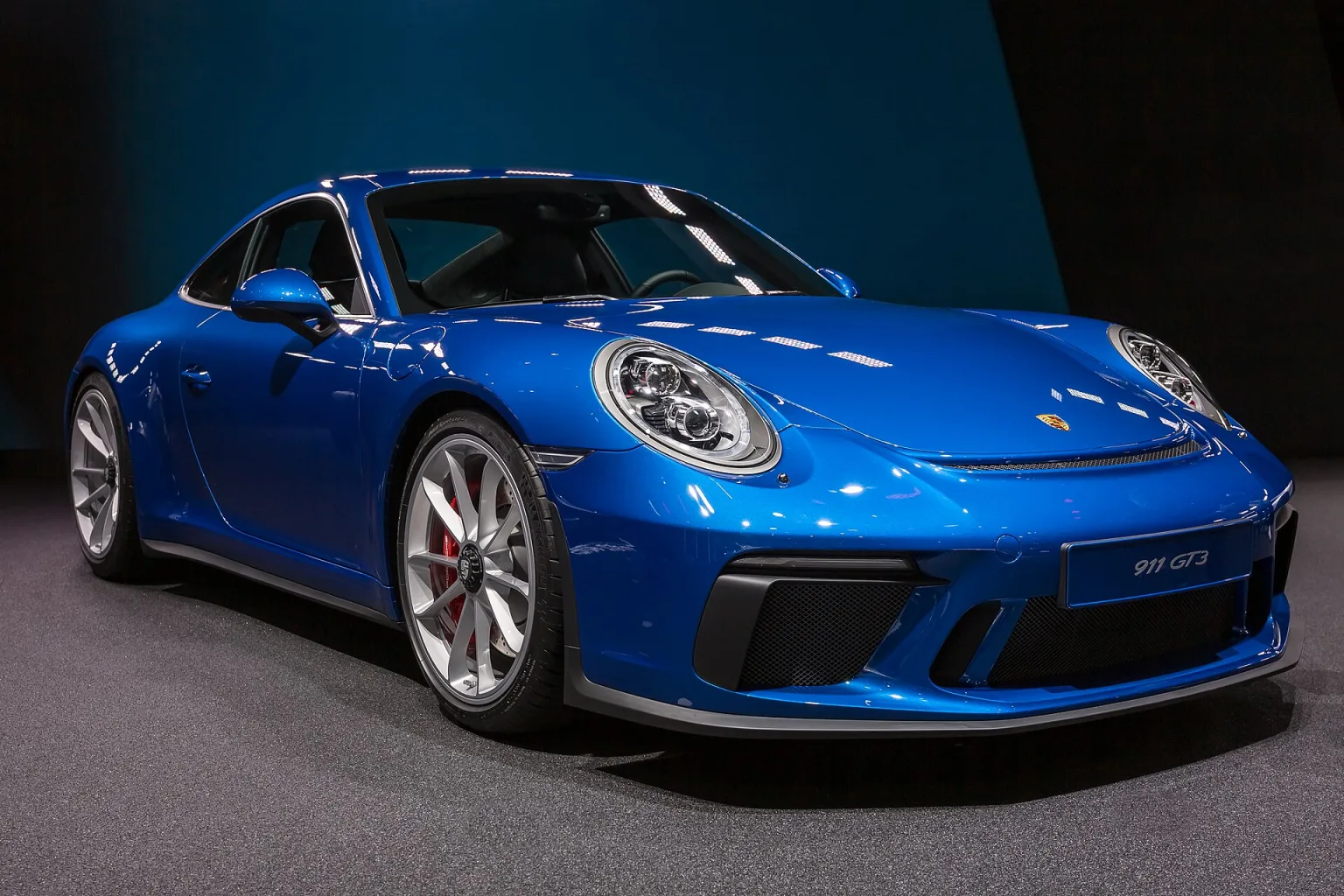
Porsche will not launch fully electric versions of its flagship 911 or a successor to the 918 Spyder hypercar until battery technology makes a marked leap, according to statements from the company's R&D chief. The German sports car maker is focusing its immediate electrification efforts on the Mission E project, but its halo models will wait for solid-state batteries or similar advances.
Solid-state batteries hold the key
Porsche's research and development boss, Michael Steiner, has pointed to solid-state batteries as the most promising solution for future high-performance electric models. These batteries promise greater energy density and improved safety compared to current lithium-ion cells, potentially unlocking the weight and performance targets essential for Porsche's top-tier cars. Steiner said that if Porsche built a hypercar today, it would have to be a hybrid, but the company already explored that route with the 918 Spyder.
Implications for Porsche's flagship models
The decision means that Porsche's most celebrated models will not follow the rapid electrification seen elsewhere in the line-up. The 911, a core part of the brand's identity, will remain combustion-powered for the foreseeable future. Porsche believes only a substantial step forward in battery technology, likely solid-state, will allow an electric 911 to deliver the performance, driving dynamics and reliability that buyers expect. The same applies to the company's next hypercar, which will not repeat the hybrid formula of the 918 Spyder.
- Mission E (Taycan): Porsche's first production EV, due before 2020.
- 911 EV: On hold pending battery breakthrough.
- 918 Spyder successor: Will wait for solid-state or equivalent technology.
What this means for buyers and rivals
For Porsche enthusiasts and buyers, the message is clear: the company's most iconic models will not go fully electric until the technology is ready to meet Porsche's standards. This cautious approach contrasts with some rivals who have announced plans for electric supercars or sports cars in the near term. Porsche's stance may delay the arrival of an electric 911 or hypercar, but it signals a commitment to performance benchmarks above all else.
For more on Porsche's current performance models, seeReport 2017 Porsche 911 GT3 Nailing 4 0 Liter Flat Six.