Volkswagen targets one million EV sales and SUV expansion by 2025
Volkswagen aims to deliver at least one million electric vehicles annually by 2025 and expand its SUV line-up to 19 models as part of a major strategic shift.
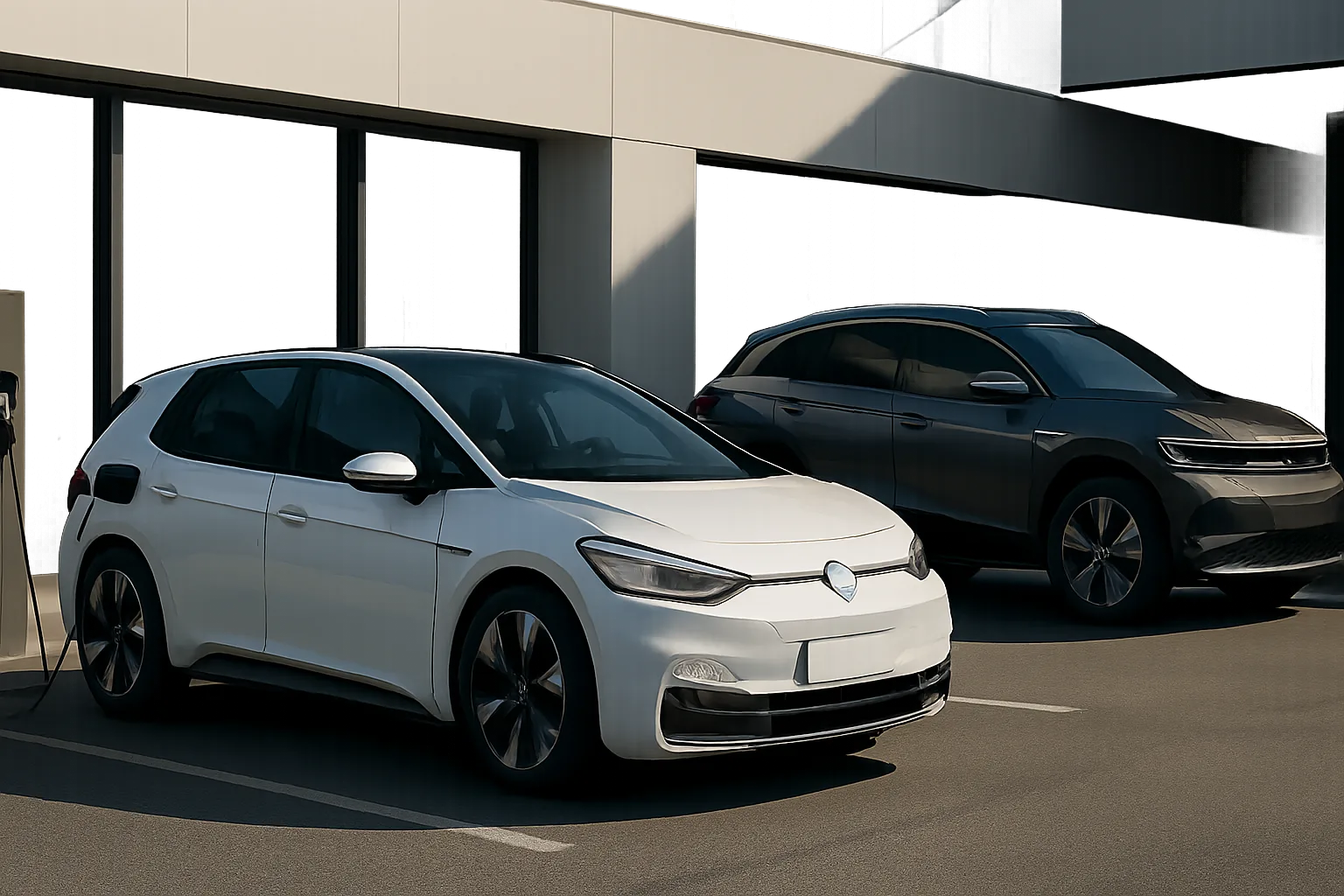
Volkswagen is accelerating its electrification and SUV strategy, targeting at least one million annual electric vehicle deliveries by 2025 and a global SUV line-up of 19 models. The plan follows a period of restructuring after the Dieselgate scandal and signals a clear pivot away from diesel towards e-mobility and higher-margin SUVs.
The company’s management has set out a roadmap to become a global leader in electric vehicles. The first wave of dedicated EVs will arrive from 2020, starting with the I.D. family built on Volkswagen’s new MEB platform. Production of the first model is scheduled for Zwickau, with three further I.D. variants to follow. The new platform underpins Volkswagen’s ambition to move from a niche EV player to a volume manufacturer.
Volkswagen’s electric push marks a step back from its earlier ambitions. In November 2016, the brand spoke of more than 30 fully electric models and two to three million annual EV sales by 2025. The current target of at least one million EVs reflects a more measured approach, possibly in response to market realities and the pace of battery technology development.
SUV line-up to reach 19 models
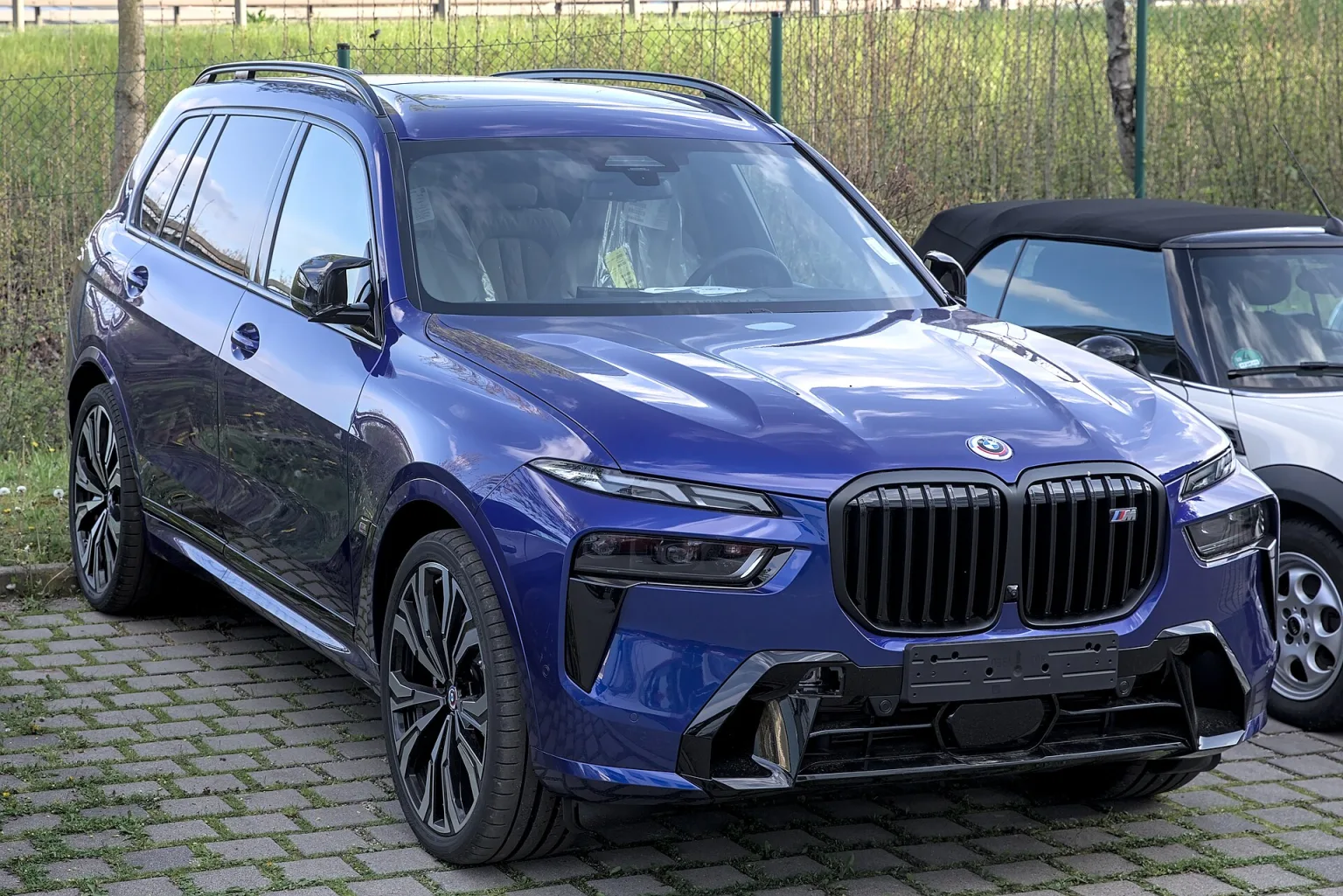
Alongside electrification, Volkswagen is aggressively expanding its SUV range. The brand plans to offer 19 SUV models worldwide, up from its current line-up. This expansion is intended to strengthen Volkswagen’s presence in a segment where global demand continues to grow, especially in markets such as China and North America.
- SUVs deliver higher margins than traditional hatchbacks or saloons.
- SUV growth is central to Volkswagen’s global sales strategy.
- The company is developing small SUVs based on Polo and Up! platforms.
What the strategy means for Volkswagen
The move to ramp up EV and SUV sales is expected to reshape Volkswagen’s global product mix and manufacturing footprint. The Zwickau plant will become a hub for EV production, while SUV assembly is likely to expand in key regions. For dealers and suppliers, the shift means a greater focus on electric drivetrains, battery supply and SUV components. Buyers can expect a broader choice of electric and SUV models, though the pace of EV adoption will depend on charging infrastructure and incentives in each market.