Rolls-Royce Phantom Assembly Featured on National Geographic’s Ultimate Factory
National Geographic’s Ultimate Factory series offered a rare look inside the multi-stage process behind the Rolls-Royce Phantom, from German chassis construction to bespoke finishing at Goodwood.
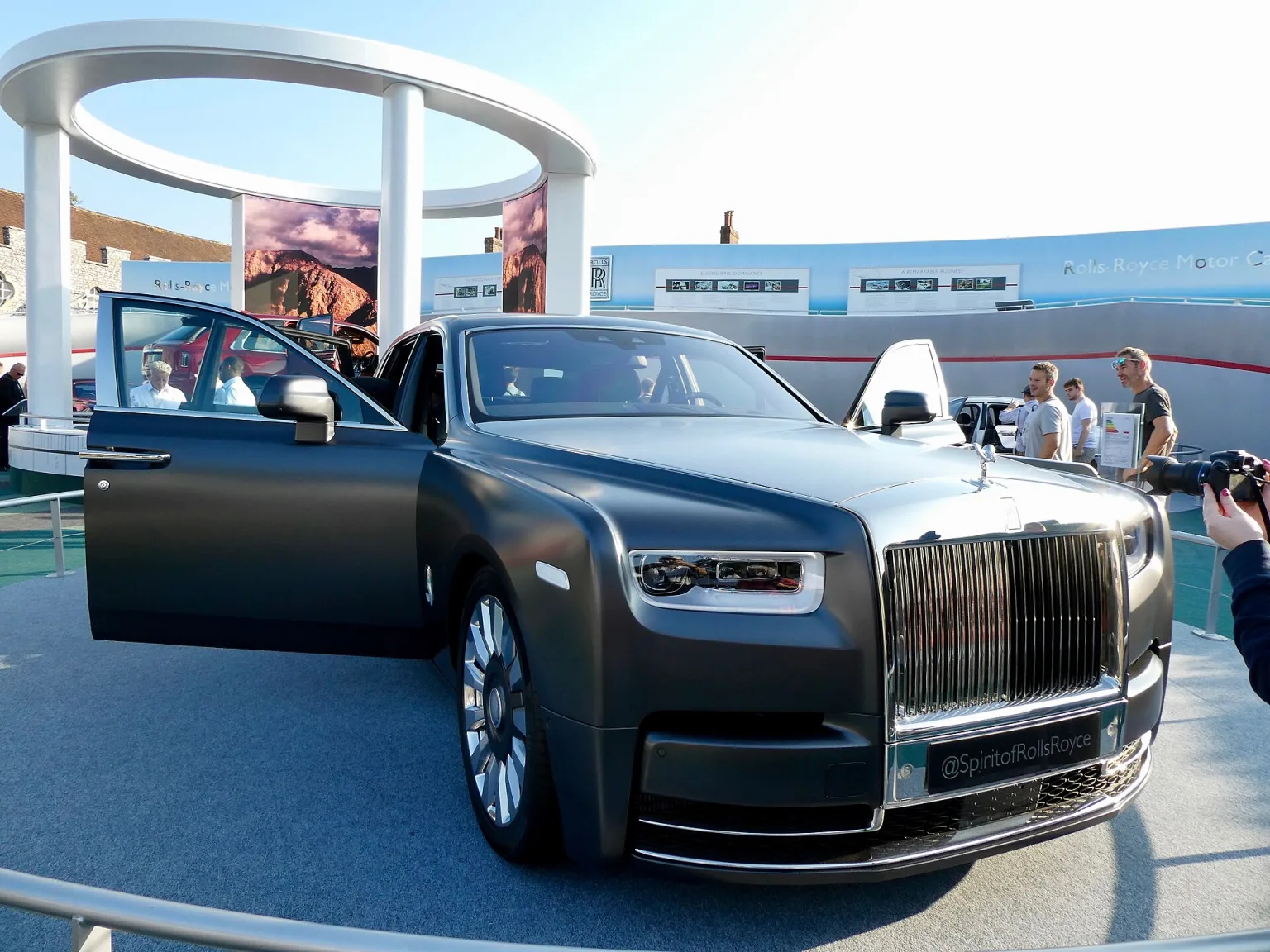
National Geographic’s Ultimate Factory series took viewers inside the production of the Rolls-Royce Phantom, tracing its journey from German engineering to British craftsmanship. The episode, which aired in 2009, gave an unusually detailed look at the assembly of Rolls-Royce’s flagship saloon, then in its seventh generation and the first developed under BMW ownership.
The programme followed the Phantom’s production across several sites. Its aluminium space frame chassis is constructed in Unterhollerau, Germany, where BMW’s expertise in lightweight engineering is applied. The body shell then travels to Dingolfing for corrosion protection and primer paint. Only after these stages does the unfinished Phantom reach the Rolls-Royce facility at Goodwood, West Sussex, for final assembly and finishing.
From German Engineering to British Craftsmanship
At Goodwood, the Phantom is transformed from a painted shell into a bespoke luxury car. The episode highlighted the hand-built nature of the process, with hundreds of craftspeople and technicians involved. Rolls-Royce claims it takes an average of 450 hours to build each Phantom, with much of that time devoted to interior trim and finishing.
The interior is a particular focus. Each Phantom uses around 75 square metres of A-grade Bavarian leather and 42 individual pieces of book-matched wood veneer. These are hand-finished at Goodwood, where buyers can specify virtually any colour, material or detail through the company’s bespoke programme. The episode showed artisans shaping and stitching leather, matching wood grains, and fitting custom features to order.
A Showcase of Bespoke Options
The Ultimate Factory episode emphasised the bespoke nature of the Phantom range. Buyers are offered a wide range of personalisation options, from paint colours to unique interior details. At the time, Rolls-Royce stated that the only real limit was the customer’s imagination and budget. This approach has since become a hallmark of the brand, with later models and special editions pushing customisation even further.
- Aluminium space frame chassis built in Unterhollerau, Germany
- Body shell treated and painted in Dingolfing, Germany
- Final assembly and bespoke finishing at Goodwood, UK
Rolls-Royce Phantom in Context
The Phantom’s feature on Ultimate Factory came as Rolls-Royce was re-establishing itself under BMW, with the seventh-generation Phantom leading the brand’s modern revival. The model remained the marque’s flagship until its replacement was announced for 2016. For more on the Phantom’s evolution, see Rolls-Royce to Replace Phantom Flagship in 2016.
The National Geographic episode remains a detailed visual record of the Phantom’s production process at the end of the 2000s, before the next wave of models and technologies arrived at Goodwood.