Sauber Faces Uncertainty as Financial Struggles Deepen
Sauber’s financial crisis has fuelled speculation in the Formula One paddock, with potential investment talks and driver payment issues coming to light at the 2013 German Grand Prix.
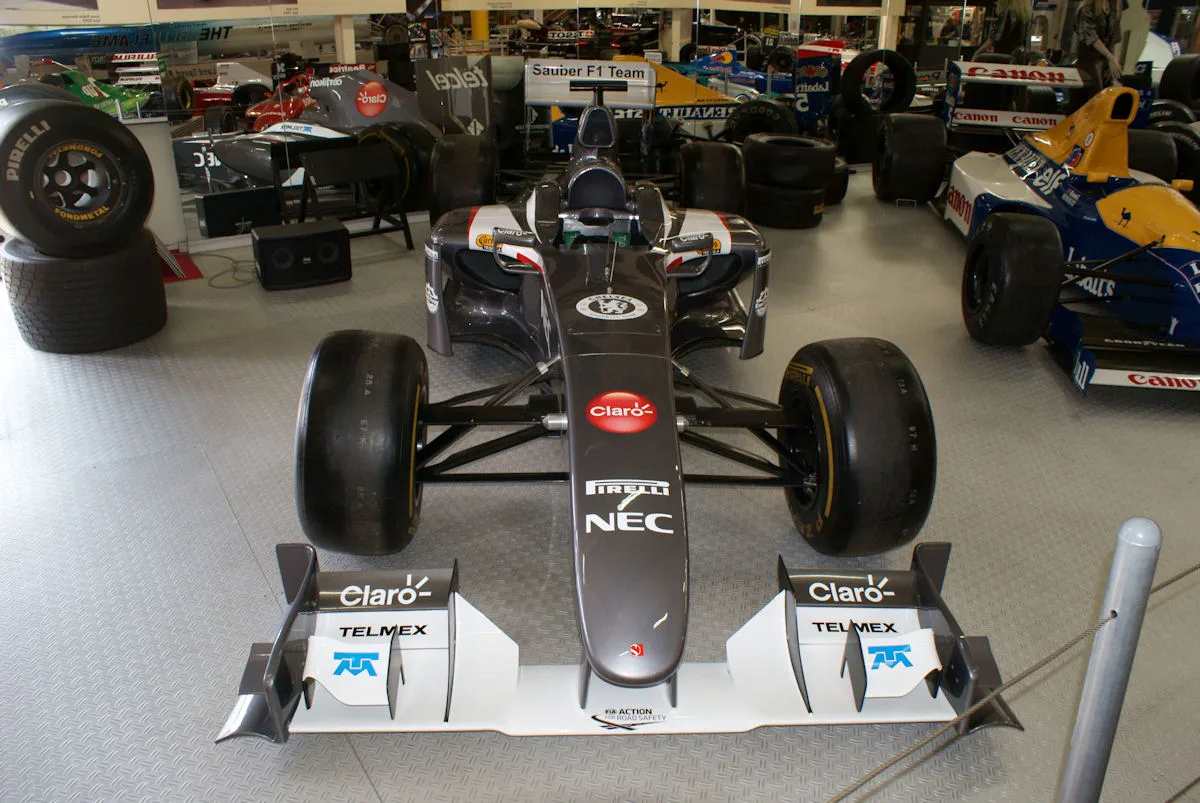
Sauber’s future in Formula One was thrown into doubt at the 2013 German Grand Prix, as the Swiss team’s financial problems became the subject of intense speculation in the Nürburgring paddock. Reports of unpaid wages and missed sponsorship payments have left the team searching for urgent solutions to secure its place on the grid.
Nico Hülkenberg, Sauber’s lead driver in 2013, was reported to have gone unpaid in the weeks leading up to the German Grand Prix. Hülkenberg acknowledged the issue, stating that team principal Monisha Kaltenborn was “working on a solution”, but offered no further details. The team’s financial instability has raised concerns among staff and drivers about their immediate prospects.
Kaltenborn was notably absent from the paddock on Friday, as she hosted a delegation from the Swiss federal government at Sauber’s Hinwil base. Swiss sports minister Ueli Maurer described Sauber as a key high-tech company for the country, but reports indicated that the government would not provide a bailout. The team’s search for outside investment has therefore become more urgent.
Potential new investors and Russian links
Rumours of a buyout or major investment intensified as the weekend progressed. Frenchman Nicolas Todt, known for managing drivers including Felipe Massa and Jules Bianchi and for his involvement in the GP2 team ART, was linked to possible takeover talks. Todt’s longstanding relationship with Sauber founder Peter Sauber and his father, FIA president Jean Todt, added credibility to the speculation, though no official confirmation was forthcoming.
At the same time, Russian interest in Sauber appeared to be growing. Reports suggested the team was in discussions with Gazprom, the Russian natural gas giant, regarding a sponsorship deal. Separately, the Swiss newspaper Blick cited apparent interest from Roman Abramovich, billionaire owner of Chelsea Football Club, though the nature and seriousness of this involvement remained unclear.
The swirl of potential deals reflected the urgency of Sauber’s situation, with questions about whether any of these talks would result in the cash injection needed to stabilise the team. No agreement had been announced by the end of the German Grand Prix weekend.
Short-term fixes and driver deals
With long-term funding uncertain, Sauber turned to short-term measures. The team secured €250,000 from sponsors of Japanese driver Kimiya Sato for a single day of running at the Silverstone young driver test. Sato, who was not related to former F1 driver Takuma Sato, was given the opportunity as part of a deal to bring in much-needed funds.
The team’s reliance on pay drivers and one-off sponsorship deals underlined the severity of its financial problems. While such arrangements are not unusual for struggling outfits, the scale and publicity of Sauber’s crisis made its position particularly precarious.
What next for Sauber?
With the Swiss government ruling out direct intervention and no confirmed new investor, Sauber’s future rested on the outcome of ongoing talks. The team’s management faced mounting pressure to secure a long-term solution before the situation worsened. Speculation about a sale or partnership continued, but as of July 2013, Sauber remained in limbo, fighting to stay afloat in Formula One.
For further background on Sauber’s search for new backers, seeSauber boss seeks new backer as financial crisis deepens