Skoda’s 1.5m Sales Target for 2018 at Risk as Russian Market Collapses
Skoda’s ambitious global sales goal faces a setback after a sharp drop in Russian car demand, forcing the brand to reconsider its 2018 timeline.
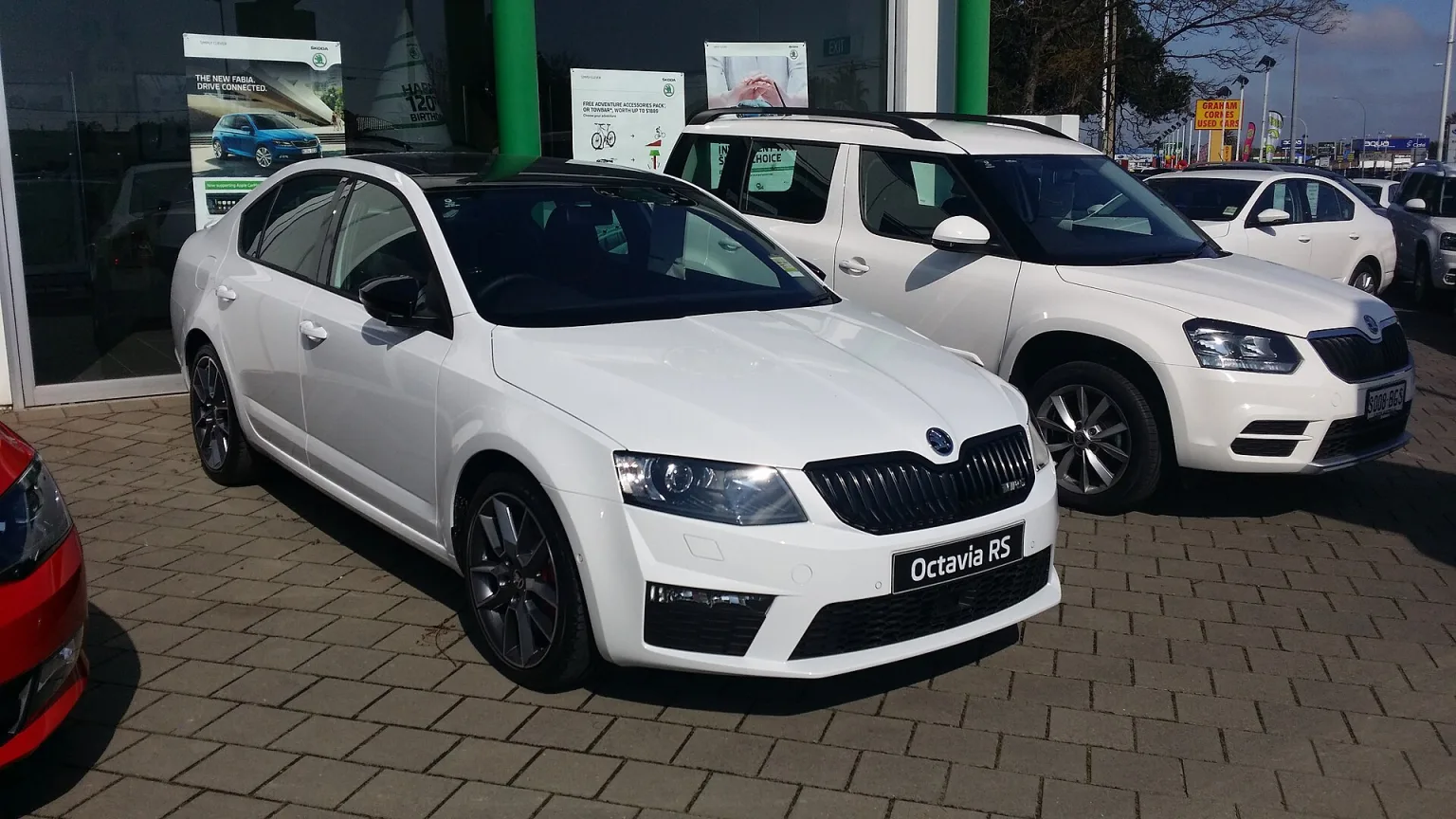
Skoda’s plan to reach 1.5 million global sales a year by 2018 is in jeopardy after a collapse in the Russian car market, a region that had been central to the brand’s growth strategy. Company sales chief Werner Eichhorn said that while the target remains, a delay of up to a year is now possible as Russia’s economic crisis hits deliveries.
The Russian market, once projected to overtake Germany as Europe’s largest, has slumped dramatically. New car deliveries in Russia fell 38 percent year-on-year in February 2015, with the first two months of the year down 32 percent overall. Skoda’s own Russian sales slipped 3 percent to 10,743 units for January and February, making it the country’s eighth-largest brand by volume at the time.
Eichhorn confirmed that profitable growth remains the priority, rather than chasing market share in a declining market. He acknowledged that the UK could overtake Russia as Skoda’s third-biggest market in 2015, behind China and Germany. Russia had accounted for about a tenth of the volume needed to meet the 1.5 million target, so its downturn poses a direct threat to the brand’s global ambitions.
Russia’s impact on Skoda’s global plans
To hit 1.5 million global sales by 2018, Skoda would have needed to grow deliveries by nearly 10 percent each year. With Russia’s contribution shrinking, that growth rate becomes harder to sustain. The company has not abandoned its target but now concedes that reaching it by 2018 is less certain. Eichhorn said that a one-year delay would not be critical if profitability is maintained.
- Skoda’s top markets in 2015: China, Germany, Russia (with the UK poised to overtake Russia)
- Russian market share: about 10% of Skoda’s global target
- Sales decline: Russian car sales down 38% in February 2015
The broader Russian downturn has affected other manufacturers as well, with brands such as BMW also warning of risks to their Russian business. Skoda’s situation highlights how quickly regional volatility can disrupt even well-established growth plans.