Saab secures €65m rescue deal with China’s Pang Da
Spyker agrees to sell a 24 percent stake to Pang Da Automobile, with immediate funding and joint ventures in China aimed at restarting Saab's stalled production.
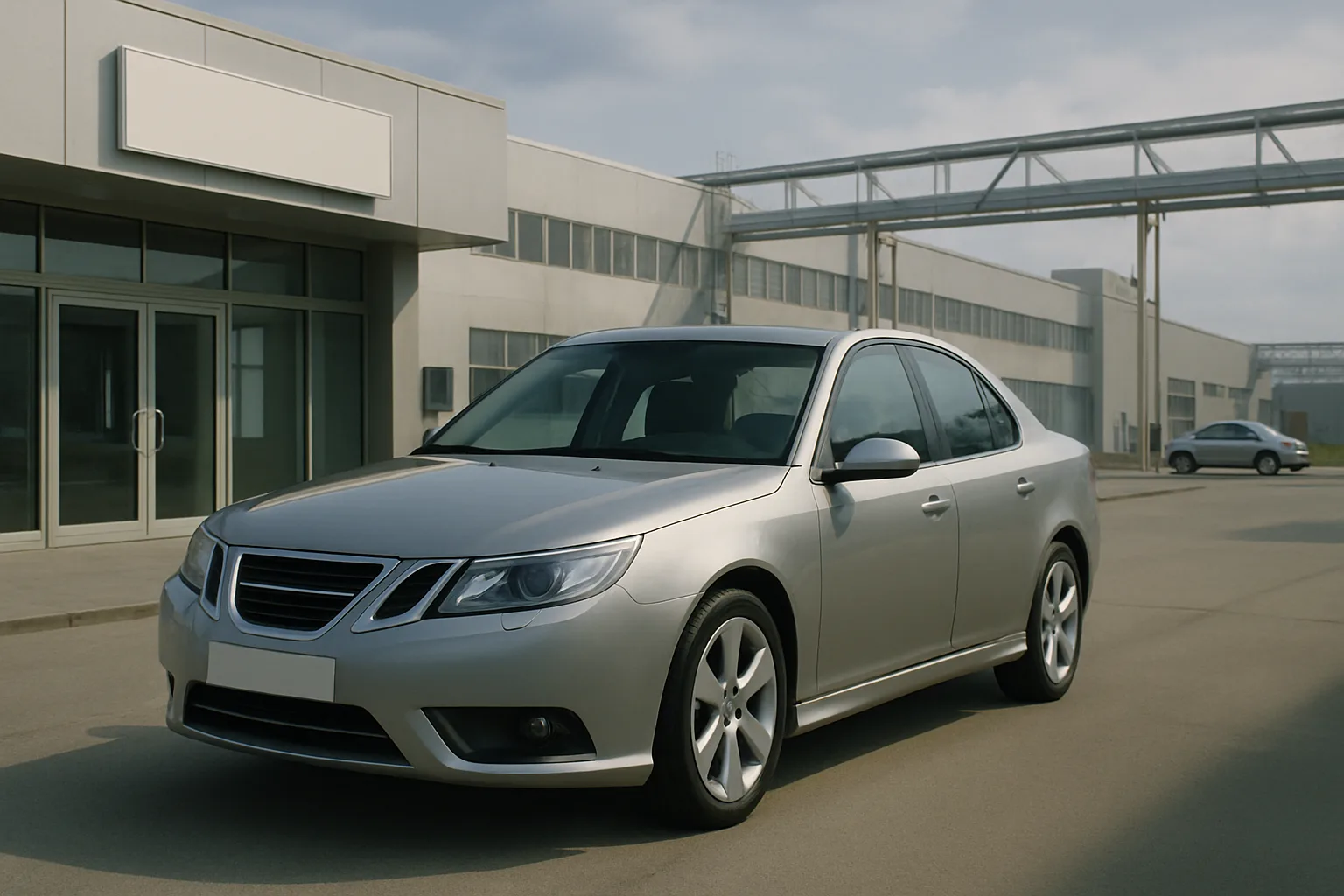
Spyker Cars, owner of Saab Automobile, has secured a €65 million investment from China’s Pang Da Automobile Trade Co., after the collapse of its previous rescue deal with Hawtai Motor Group. The agreement, announced on 16 May 2011, provides immediate funding and a framework for distributing and manufacturing Saab vehicles in China.
Under the memorandum of understanding, Pang Da will buy a 24 percent stake in Spyker at €4.19 per share, becoming the largest single shareholder after the deal closes. The initial €30 million payment is for the purchase of Saab vehicles, with a further €15 million expected within a month, dependent on certain conditions. This funding is intended to address Saab’s urgent liquidity problems and restart production, which had been halted due to supplier payment issues.
Joint ventures target Chinese market
The agreement sets out plans for a 50/50 distribution joint venture between Saab and Pang Da, giving the Swedish brand direct access to China’s expanding car market through Pang Da’s network of over 1,100 dealerships. In addition, a manufacturing joint venture is proposed, which would see Saab-branded vehicles and a new brand, referred to as a ‘child brand’—produced in China. Saab would hold up to 50 percent of the manufacturing venture, with Pang Da and a yet-to-be-named Chinese manufacturing partner holding the remainder.
The deal is not yet final. It depends on regulatory approvals from Chinese authorities, the European Investment Bank, General Motors (as Saab’s former owner and technology licensor), and the Swedish National Debt Office. Spyker said the memorandum of understanding forms the basis for definitive agreements, but a timetable for completion was not disclosed.
Impact on Saab’s future
If completed, the partnership with Pang Da would give Saab a route back to production and a foothold in China, the world’s largest car market. Saab’s recent launches, including the new 9-5 and 9-4X, and the upcoming replacement for the 9-3, are seen as key products for the brand’s revival. Pang Da’s distribution capacity and financial strength are expected to support Saab’s ambitions in China, while the joint manufacturing venture could help localise production and reduce costs.
The move follows the collapse of the previous agreement with Hawtai Motor Group, which left Saab unable to pay suppliers and forced production to a standstill. The new deal with Pang Da is intended to restore confidence among investors and suppliers, but the company remains dependent on regulatory clearance and the successful negotiation of final contracts.
Further details on the deal’s progress and the resumption of Saab’s production are expected as regulatory reviews proceed. For background on the earlier stages of Saab’s search for Chinese partners, seeGM Still Opposing Saab China Deal.