SAE Approves 20-Minute Fast-Charging Standard for EVs
The SAE J1772 Combo standard brings DC fast charging to electric vehicles, cutting recharge times from hours to as little as 20 minutes and unifying plug design for global adoption.
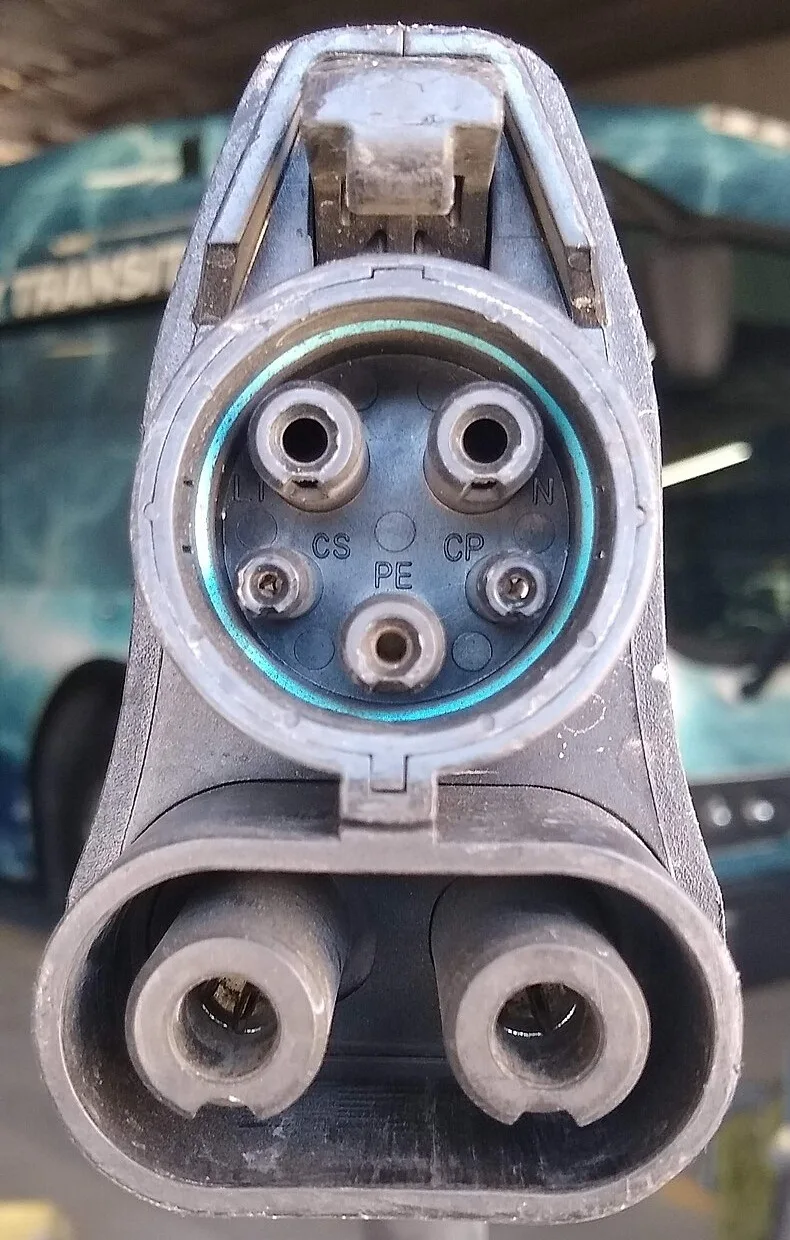
SAE International has approved a new fast-charging standard for plug-in hybrid and electric vehicles, enabling recharge times to drop from as long as eight hours to as little as 20 minutes. The revised SAE J1772 standard, also known as the Combo coupler, introduces DC fast charging alongside existing AC charging protocols, and is set to underpin the next generation of public charging infrastructure.
Developed by more than 190 experts from the automotive, charging equipment and utilities sectors, the J1772 Combo standard provides a unified charging interface. This allows both slow AC charging and rapid DC charging through the same vehicle inlet, eliminating the need for separate connectors and simplifying the hardware for both carmakers and charging station operators.
How the Combo standard changes EV charging
The original J1772 standard covered only AC Level 1 and Level 2 charging, which typically required three to seven hours to fully recharge an EV. The new revision adds DC Level 1 and Level 2 charging, supporting up to 100 kW (200 A at 500 V DC) for fast charging. This means a compatible EV can be replenished at a public charging station in as little as 20 minutes, provided the battery and station support the maximum rates.
Eight major manufacturers, Audi, BMW, Chrysler, Daimler, Ford, General Motors, Porsche and Volkswagen, have agreed to support the Combo system. The European vehicle manufacturers’ association ACEA has also selected it as the official interface for all new vehicle types in Europe from 2017. This broad support is intended to promote global compatibility and reduce complexity for both drivers and infrastructure providers.
Rival standards and industry adoption
Despite the push for a single global system, the Combo standard faces competition from the CHAdeMO protocol, which is backed by Japanese manufacturers such as Nissan and Mitsubishi. CHAdeMO also enables DC fast charging, but uses a different connector and communication protocol. Over 1,500 CHAdeMO charging stations were already in operation by late 2012, mainly in Japan, supporting vehicles like the Nissan Leaf and Mitsubishi i-MiEV.
Combo advocates argue that their approach is more practical, as it allows both AC and DC charging through one plug, streamlining the design for vehicle manufacturers and reducing confusion for consumers. With both standards offering high-speed charging but different hardware, the risk of a format split, reminiscent of past technology rivalries, remains a concern for the industry.
What it means for EV buyers and infrastructure
For drivers, the new standard promises far shorter charging stops, making electric vehicles more practical for longer journeys and reducing one of the main barriers to EV adoption. However, the benefit depends on the rollout of compatible public charging stations and the uptake of the Combo inlet by manufacturers. The first vehicles equipped with the new connector were expected to arrive in 2013, with infrastructure expansion following as automakers and charging providers align on the standard.
The J1772 Combo standard also supports integration with future smart grid systems, allowing for advanced communication between vehicles and the electricity network. This could enable features such as load balancing and dynamic pricing, further supporting the transition to electrified transport.
- J1772 Combo: Combines AC and DC charging in one plug.
- CHAdeMO: Separate DC fast charging standard, mainly in Japan.
- ACEA: European manufacturers support Combo for future models.